

DB Version: 1.0.1 - Last Update: 23/09/2025
Sega CD Games
Sega CD
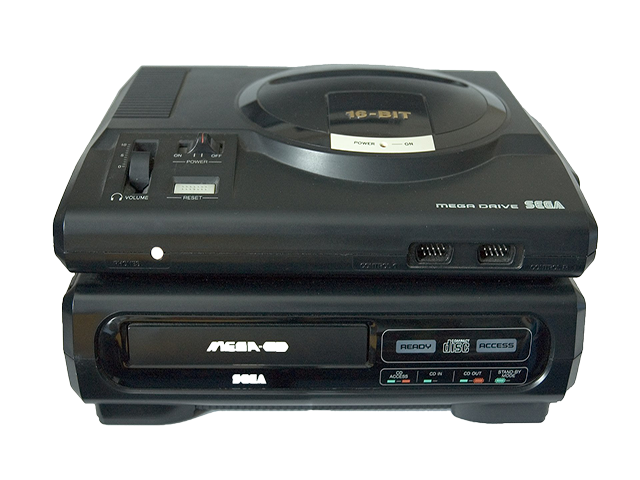
Year: 1991
Generation: Fourth
Producer: SEGA
Launch Year: 1991
Discontinued: 1994
Units Sold: 2,24 milion
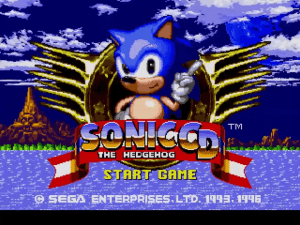
Top Game: Sonic CD
Price at Launch: 49,800 yen
Country of Origin: Japan
CPU: Motorola 68000
RAM: 64 KB
Devices / Peripherals: Sega Mega Mouse,Sega Multi-Tap,Sega CD Karaoke
1. What Was the SEGA CD?
The SEGA CD (known as the Mega-CD in Japan and Europe) was a CD-ROM add-on for the SEGA Genesis / Mega Drive, released in 1991 (Japan) and 1992 (US/EU). It aimed to expand the console’s capabilities with higher-quality audio, full-motion video (FMV), and more storage space for larger, multimedia-rich games.
It was SEGA’s bold attempt to push console gaming into the future — and although it had mixed success, it remains one of the most iconic pieces of retro tech history.
2. Key Features of the SEGA CD
- CD-ROM format: up to 650MB of storage vs. cartridges’ limited ROM space.
- Enhanced audio: CD-quality soundtracks, redbook audio, and voice acting.
- FMV capabilities: played full-motion video cutscenes — revolutionary at the time.
- Additional CPU: Motorola 68000 @ 12.5 MHz to support multimedia processing.
- Backup RAM: built-in memory for saving games without cartridges.
3. Game Library and Highlights
- Mixed library of 200+ games: from FMV titles to enhanced Genesis ports and exclusives.
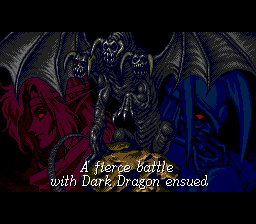
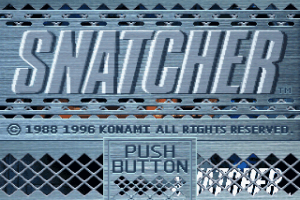
- Standout titles: Sonic CD, Lunar: The Silver Star, Snatcher, Night Trap, Robo Aleste.
- Genre experimentation: hosted unique genres like interactive movies, anime RPGs, and cyberpunk thrillers.
4. Legacy and Cultural Impact
Despite limited commercial success and a reputation for cheesy FMV games, the SEGA CD left a lasting impression. It opened the door for optical media on consoles and is now a treasured part of SEGA’s wild and ambitious history.
- Collector’s gem: boxed systems and certain games (like Snatcher) are extremely valuable.
- Emulated and preserved: through platforms like Kega Fusion, RetroArch, and Polymega.
- Precursor to CD-based gaming: paved the way for PlayStation and Saturn’s success with the format.
GAMES SEGA CD

© 2026 Don't think about what you see, but create what you imagine.