

DB Version: 1.0.1 - Last Update: 23/09/2025
Commodore 128 Games
Commodore 128
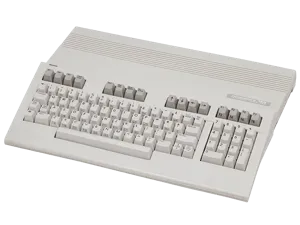
Year: 1985
Generation: 8-bit generation
Producer: Commodore
Launch Year: 1985
Discontinued: 1990
Units Sold: 4-5 milion
Top Game: Test Drive
Price at Launch: $300
Country of Origin: United States
CPU: 8502, Zilog Z80
RAM: 128 kB
Devices / Peripherals: Floppy Disk,Printers,Monitors and TVs
1. What Was the Commodore 128?
The Commodore 128 (C128), launched in 1985, was the most advanced and versatile 8-bit computer produced by Commodore. It was a true hybrid machine, capable of running in three different modes: native C128, Commodore 64 compatibility, and CP/M—making it an appealing choice for power users and business applications.
Designed as a follow-up to the immensely popular C64, the C128 aimed to bridge the gap between home and professional computing while preserving full backward compatibility.
2. Key Features of the Commodore 128
- 128KB RAM: eight times more memory than the C64, expandable further via external modules.
- Dual CPUs: included a MOS 8502 and a Zilog Z80 for running both native and CP/M software.
- Three operating modes: C128 mode, full C64 compatibility mode, and CP/M mode for business use.
- 80-column RGB output: supported via VDC chip, ideal for word processors and productivity tools.
- Improved BASIC 7.0: added advanced commands for graphics, sound, disk operations, and structured programming.
3. Compatibility and Software
- 100% C64 compatible: could run nearly all C64 games and software natively.
- CP/M support: opened access to business software like WordStar, dBase, and spreadsheets.
- Unique C128 software: fewer games but some utilities and productivity apps took advantage of its features.
4. Legacy and Enthusiast Appeal
Although it didn’t outsell the C64, the C128 is remembered as one of the most capable and flexible 8-bit computers of its time. It blended backward compatibility with forward-looking functionality in a way that few systems ever managed.
- Still beloved: appreciated by retro users for its multitasking flexibility and clean design.
- Used in business: found homes in offices and schools, not just living rooms.
- Collector favorite: especially the rare C128D (desktop version with built-in floppy drive).
GAMES COMMODORE 128

© 2026 Don't think about what you see, but create what you imagine.