

Overview and Gameplay
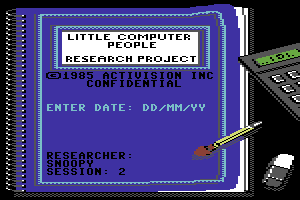
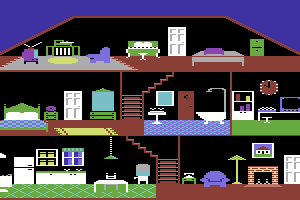
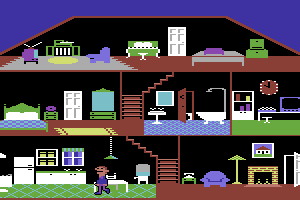
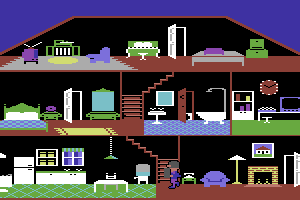
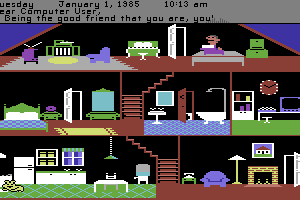
Released in 1985 by Activision, Little Computer People is a unique life simulation game that stood out for its innovative concept during the early days of personal computing. Players interact with a small character living inside their computer, exploring the idea of a virtual life. The character can perform various activities such as eating, playing the piano, and interacting with the player. The gameplay lacks traditional goals, focusing instead on the relationship between the player and the character.
Historical Significance
This game is considered a precursor to later life simulation games like The Sims. Its innovative use of a virtual character residing within the computer environment opened up new possibilities in gaming interactivity. It broke away from conventional win/lose scenarios, providing a non-linear, open-ended experience.
Development Insights
Developed by Activision, one of the leading game development companies of the time, the game was initially released for the Commodore 64, Atari ST, and Apple II. The game’s creator, David Crane, sought to create a deeply immersive experience that blended daily life with virtual interaction, something ground-breaking for its time.
Legacy and Impact
While Little Computer People may not have been a commercial blockbuster, its influence on subsequent life-simulation games is widely recognized. It introduced players to a new way of thinking about video games—not just as challenges to overcome, but also as experiences to explore and enjoy on a personal level.