

Overview
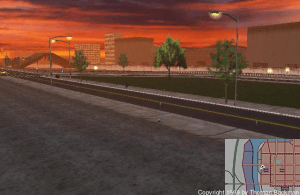
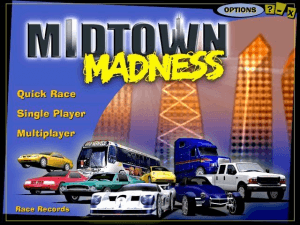
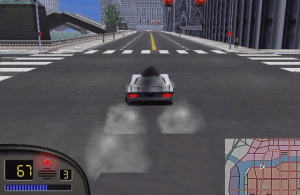
Released in 1999 and developed by Angel Studios, “Midtown Madness” brought an exciting and dynamic take on the racing genre. Set in a digital version of the city of Chicago, it provided players with an expansive open-world environment to explore, offering a break from traditional race tracks. The game’s open-world nature stood out at the time, offering freedom of movement and a variety of ways to experience urban racing.
Gameplay
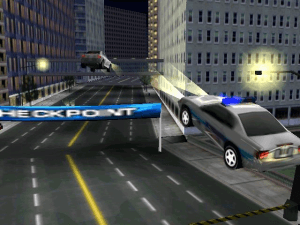
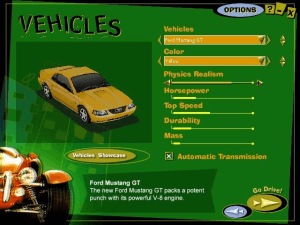
The game featured several modes such as Checkpoint, Circuit, Blitz, and Cruise, each offering unique challenges. Players could choose from a variety of vehicles, from sports cars to buses, and the game was known for its destructible environments. The presence of pedestrians, traffic, and police added another layer of realism and challenge, enhancing the game’s appeal.
Technical and Historical Aspects
“Midtown Madness” was notable for its advanced physics and AI, providing a more immersive experience compared to contemporaries. The attention to detail in simulating a bustling city environment was groundbreaking for the time. Its success spurred the production of several sequels and influenced the open-world design in racing games that followed.
Cultural Impact
The game quickly became a cult classic, praised for its engaging gameplay and technological achievements. It wasn’t just a racing game; it was an early example of an urban sandbox environment, giving rise to numerous discussions in the gaming community about the potential of open-world game design. Its impact can be seen in many modern-day racing games that continue to build upon its foundation.