




“`html
Overview
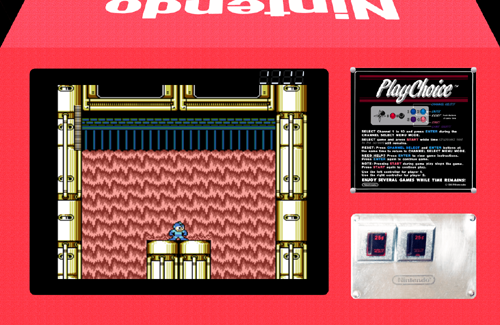
Mega Man III, released in 1990, is a classic action-platformer video game developed by Capcom USA under the Nintendo of America license. It is the third installment in the original Mega Man series, renowned for its challenging gameplay and distinct style.
Gameplay
In this game, players control the titular character, Mega Man, a super fighting robot who must navigate a series of levels to defeat various Robot Masters, each with unique abilities. Upon defeating a Robot Master, Mega Man acquires their weapon, which can be strategically used against other enemies. The game is known for its non-linear structure, allowing players to choose the order in which they tackle the stages.
Development and Features
While developed in collaboration with Capcom’s Japanese team, Mega Man III stands out as being chiefly driven by Capcom USA. This installment introduced several features that became staples of the series, including the debut of Rush, Mega Man’s robotic canine companion, and Proto Man, Mega Man’s enigmatic brother.
The game is also notable for refining the controls and mechanics established by its predecessors, offering smoother gameplay and enhanced graphics for its time. The soundtrack, composed by Harumi Fujita and Yasuaki Fujita, is often praised for its catchy and dynamic compositions that complement the game’s action-packed sequences.
Historical Significance
Mega Man III is often credited with solidifying many elements of the Mega Man series that would be built upon in future titles. Despite its development being rushed due to marketing pressures, which is a well-documented challenge during its production, the game successfully captured the hearts of fans worldwide. It remains a beloved entry in the Mega Man series and is frequently discussed for its contribution to the genre.
Legacy and Impact
The influence of Mega Man III extends beyond its initial release, inspiring various sequels and spin-offs. Its impact on platforming games is evident, as it set a standard for subsequent games in the genre. Today, it holds a respected place in the history of video gaming, with many fans and critics alike considering it a classic example of great game design from the early era of console gaming.
“`