





Historical Context & Trivia
Grim Fandango was released in 1998 as a standout adventure game from LucasArts for Windows, and it is widely recognized as one of the studio’s defining late-era classics.
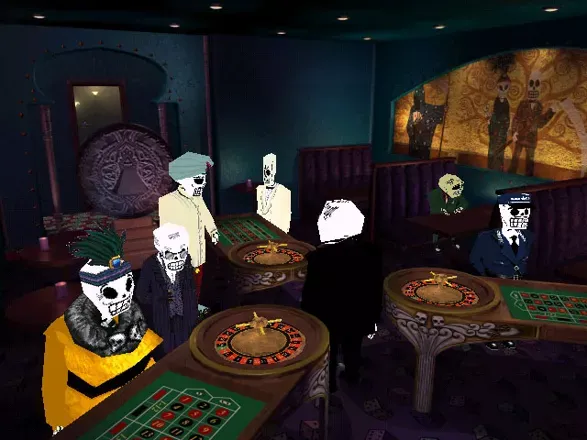
It was directed by Tim Schafer and built around a stylized afterlife setting inspired by Mexican imagery and the world of the dead, which gave it a distinctive identity even within LucasArts’ long adventure-game lineage. Contemporary and retrospective coverage consistently places it among the most acclaimed adventure titles of its period, while also noting that its original commercial performance did not match its critical reputation.
Gameplay & Technical Features
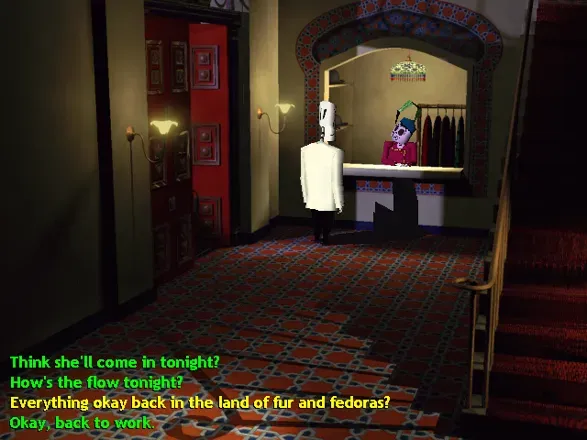
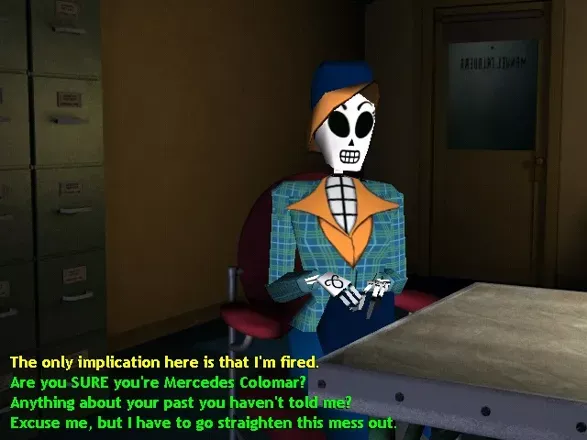
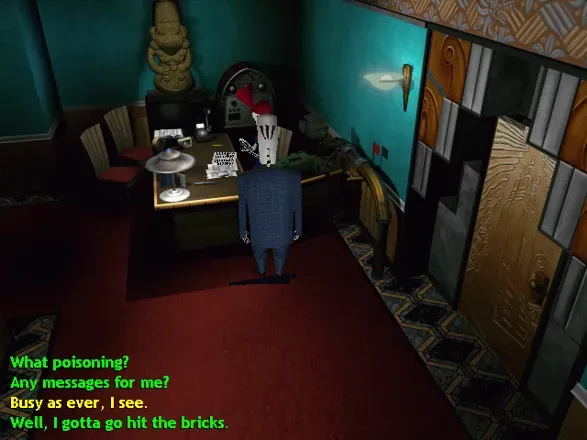
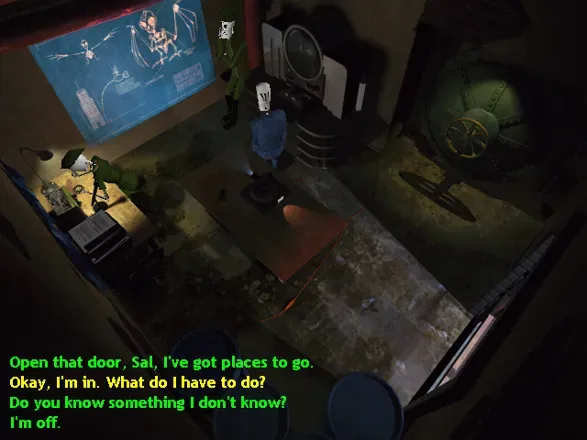
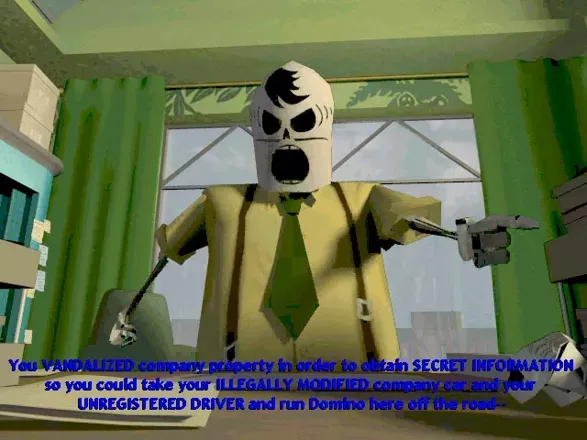
Grim Fandango is a single-player adventure game built around exploration, dialogue, inventory-style problem solving, and cinematic presentation rather than action mechanics.
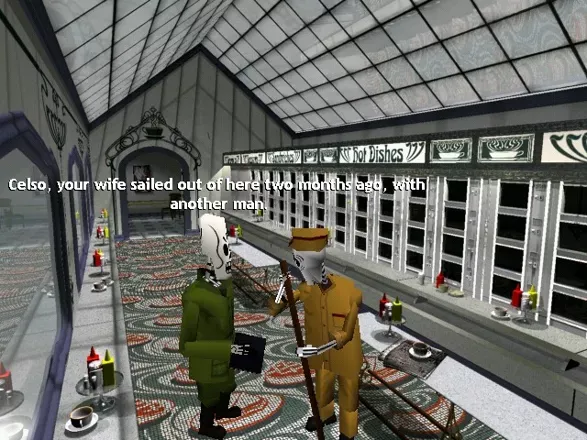
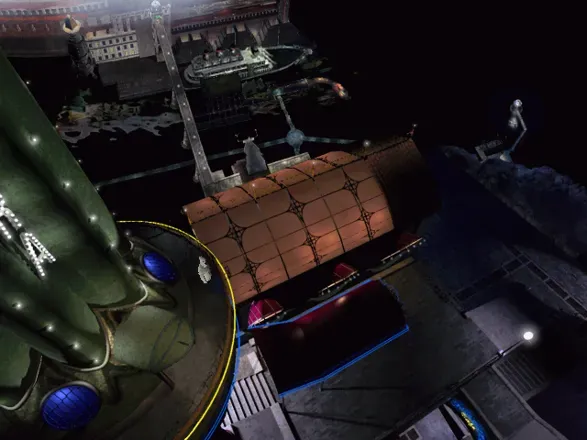
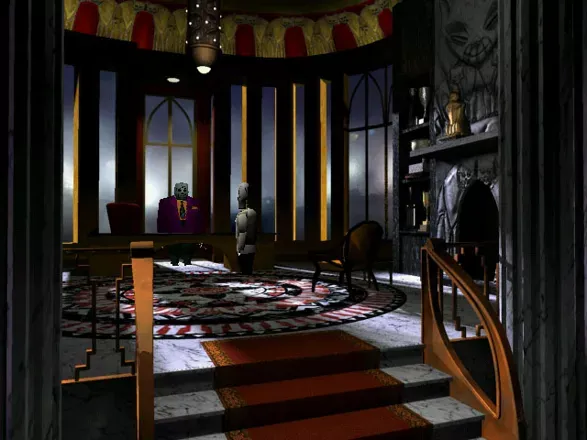
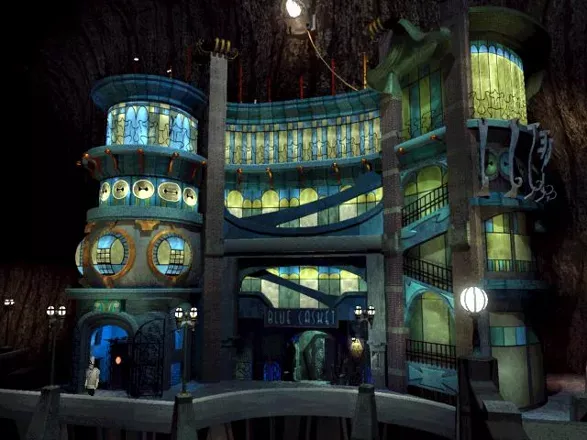
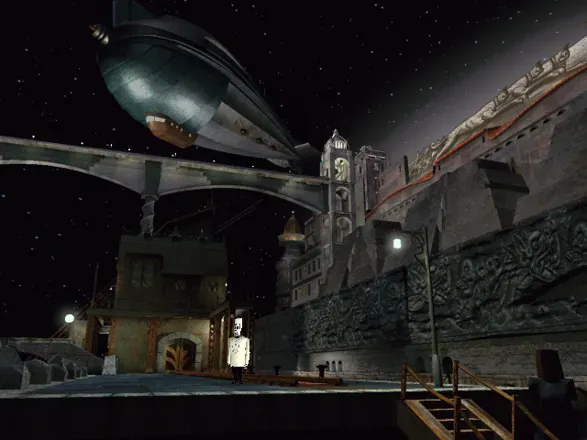
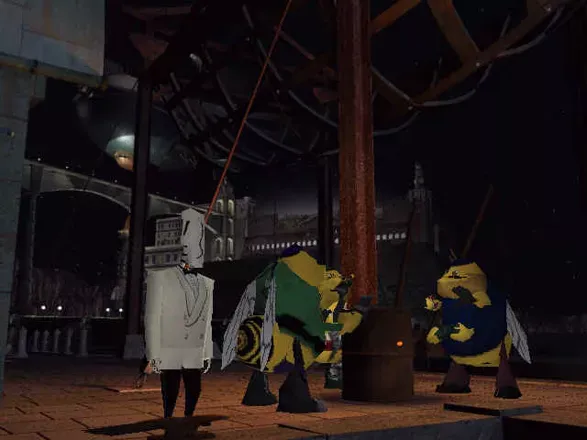
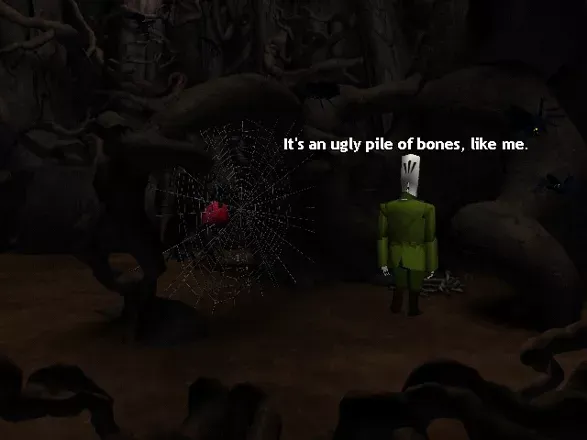
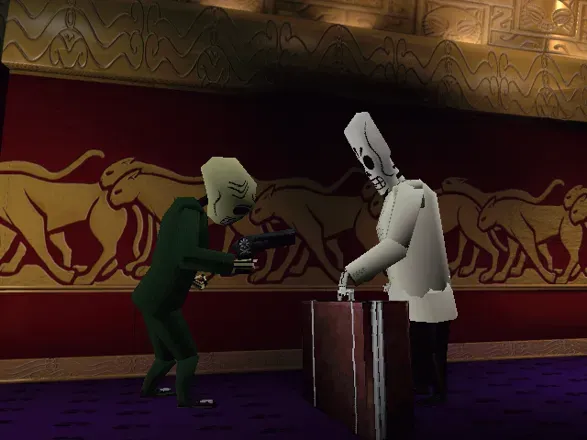
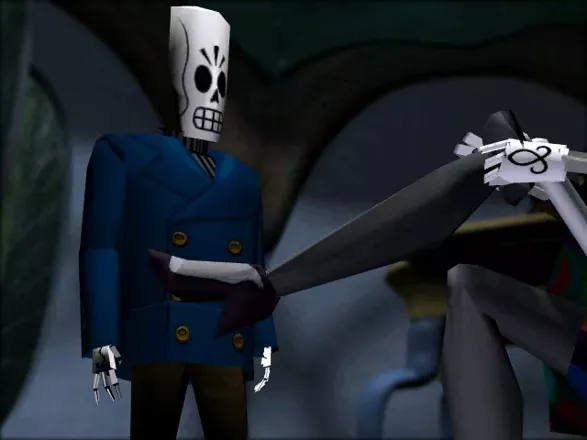
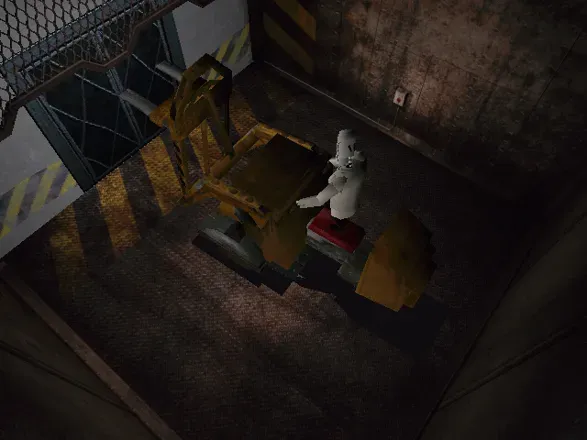
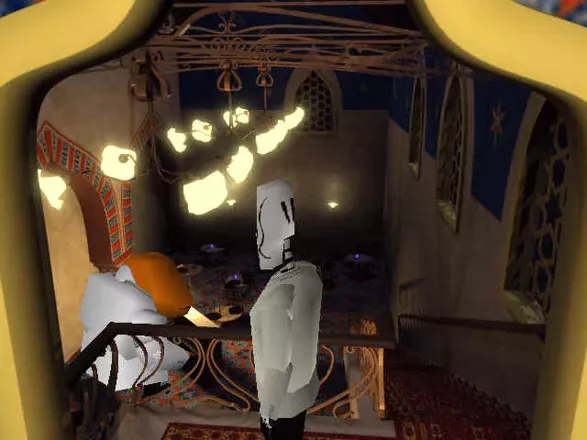
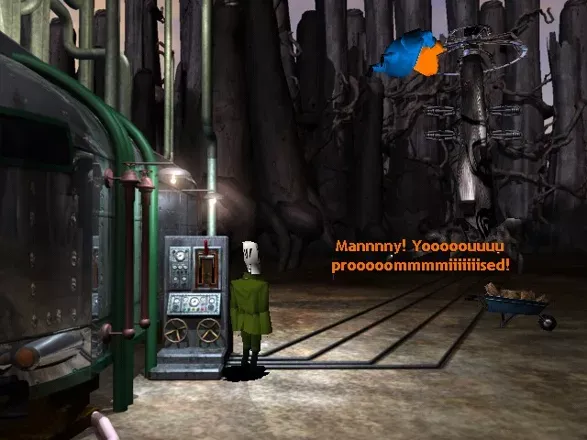
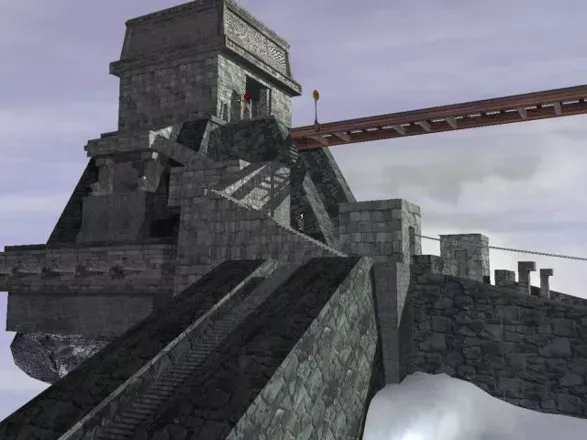
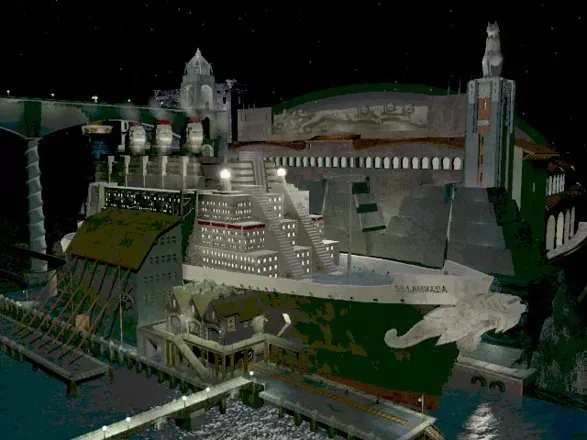
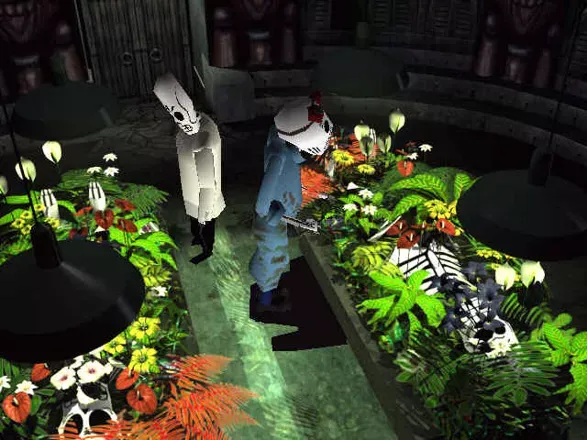
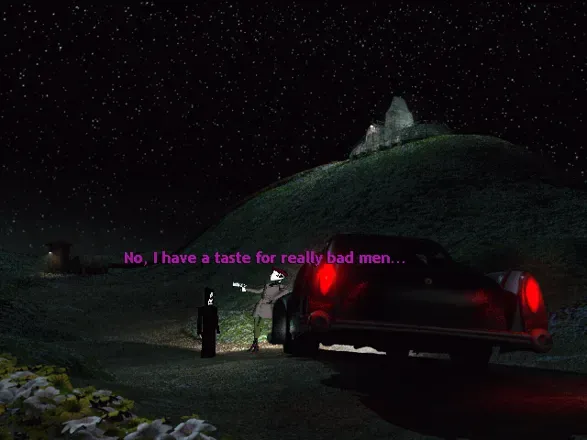
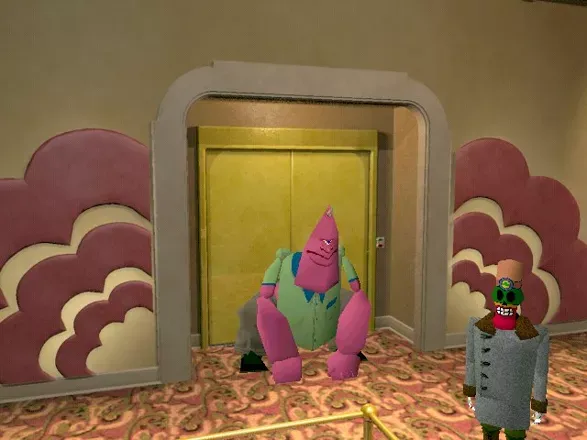
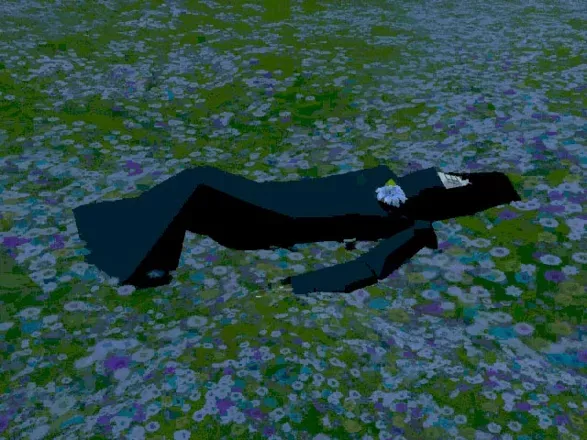
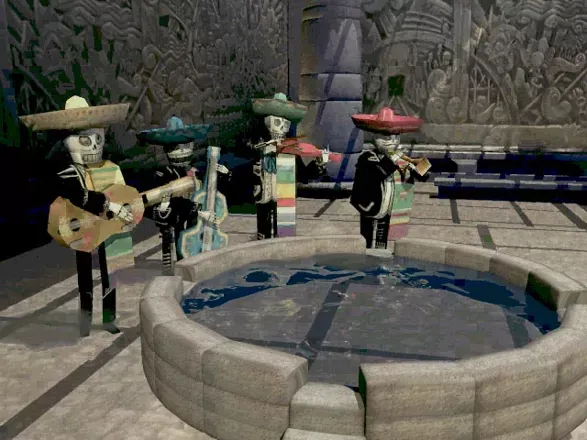
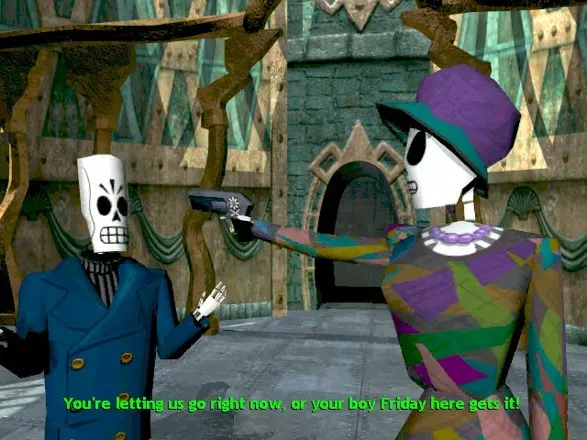
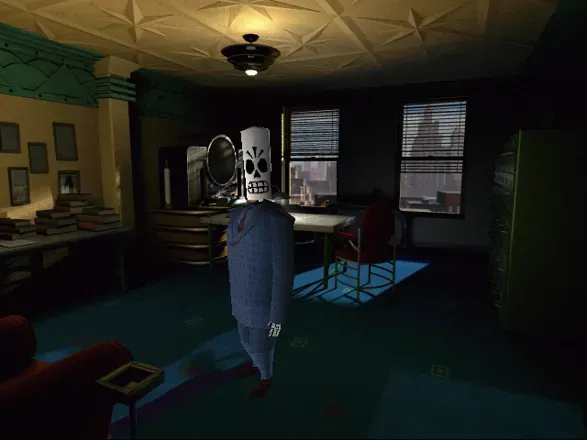
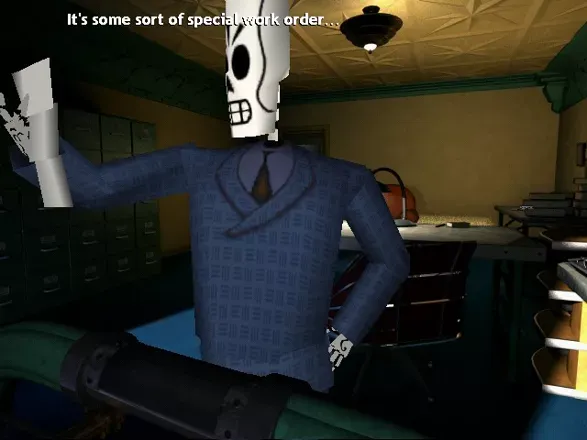
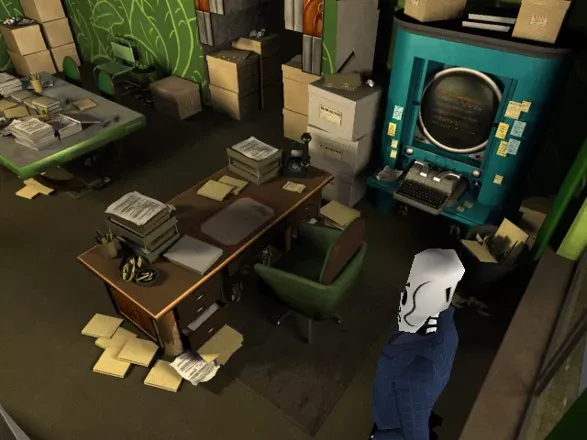
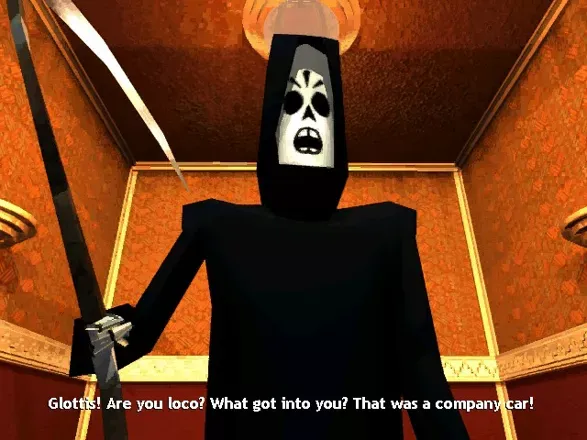
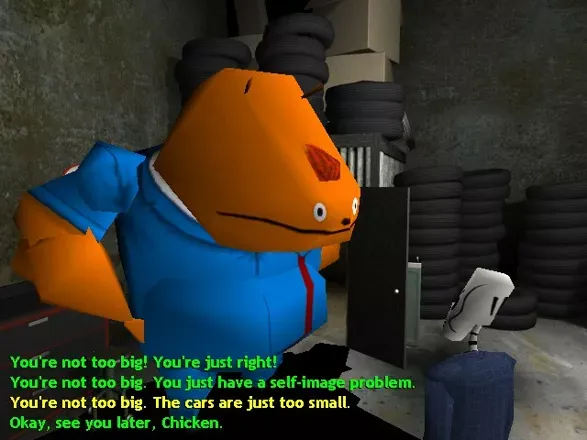
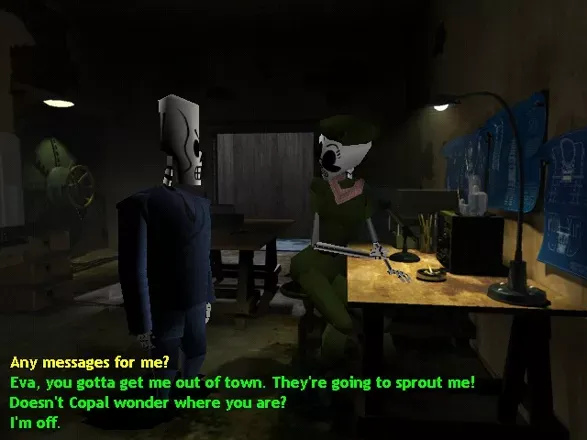
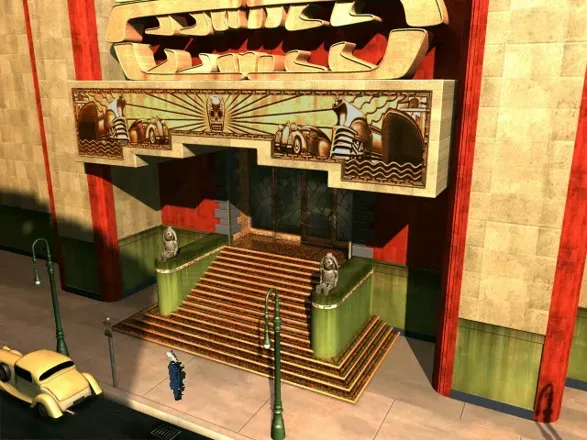
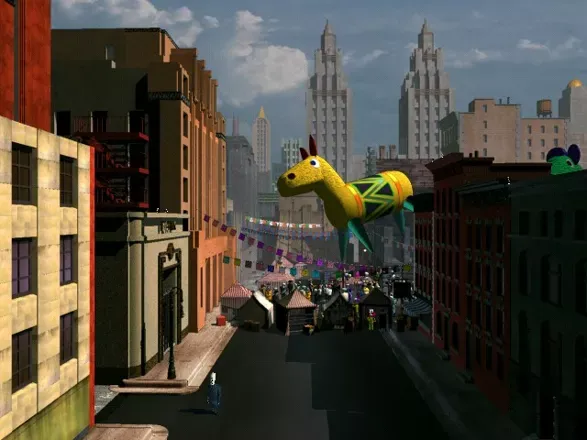
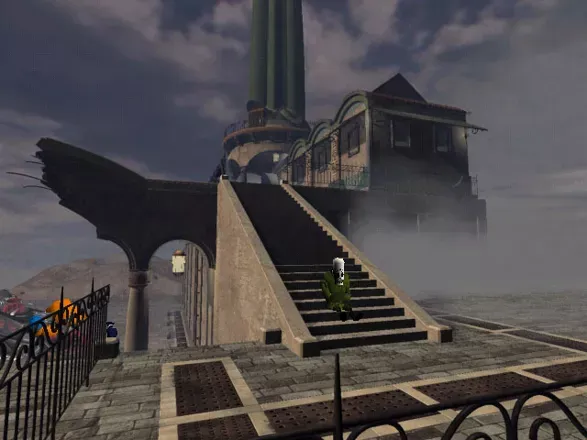
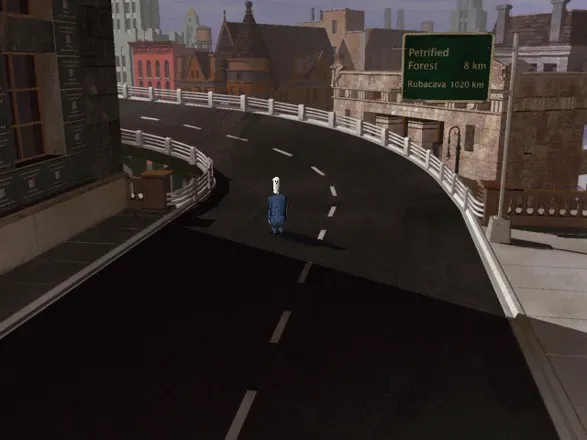
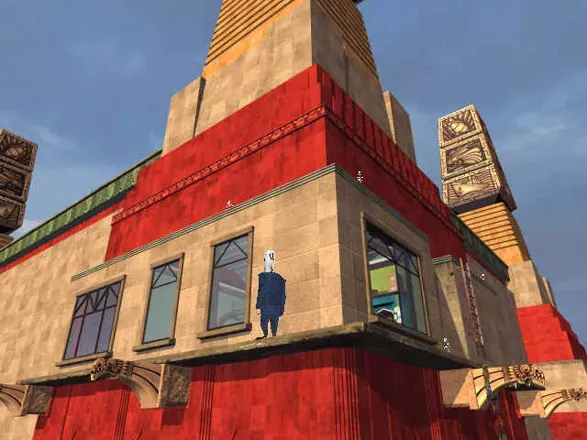
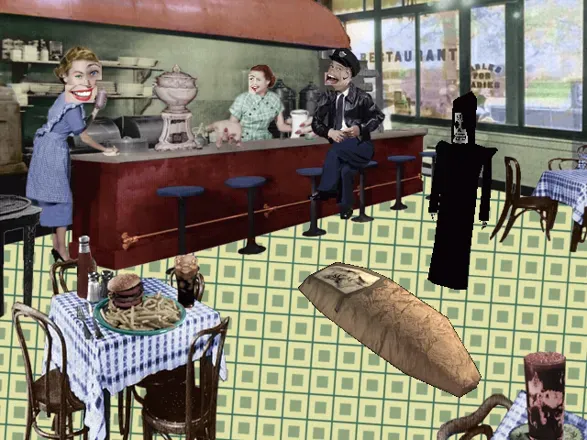
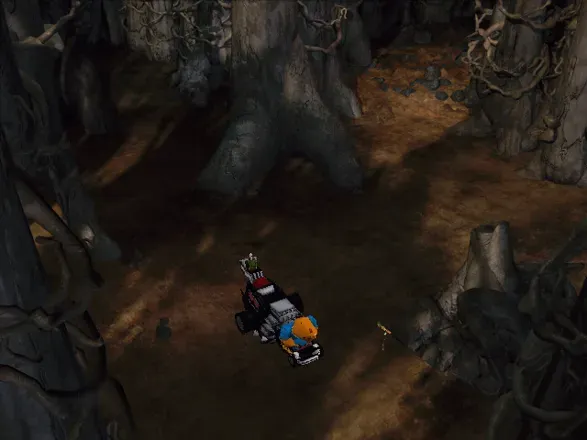
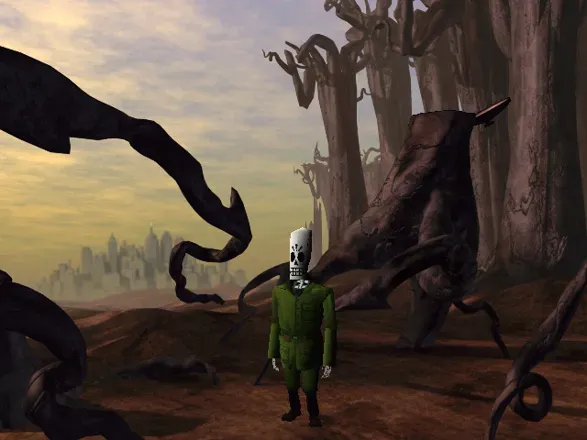
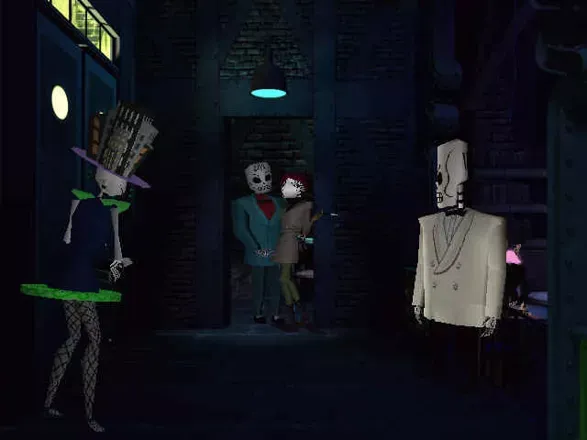
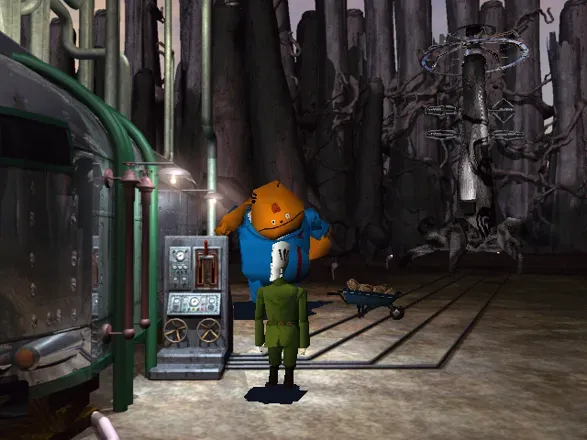
On Windows, the original release used the proprietary GrimE engine, which combined 3D character rendering with pre-rendered backgrounds and a cinematic camera style; PC preservation projects and compatibility notes also identify it as a direct-control title with a stylized visual approach. The original CD-ROM structure required year-based data management and separate LAB files for playthroughs, reflecting the technical constraints of late-1990s PC distribution.
Collector’s Value & Rarity
The original 1998 retail release has meaningful collector interest because it represents a major LucasArts adventure title from the end of the studio’s classic CD-ROM era, and surviving complete copies are valued for both preservation and nostalgia.
Physical packaging details matter: the game shipped on CD-ROM media, and documentation references multiple discs and manual material that are important to completeness for collectors. Regional and budget-release variants also exist, including a later “LucasArts Classic” budget edition, which can affect scarcity and market value depending on condition and completeness.