

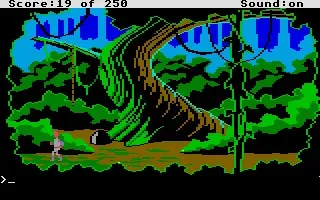
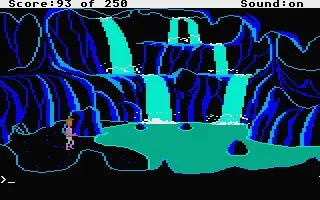
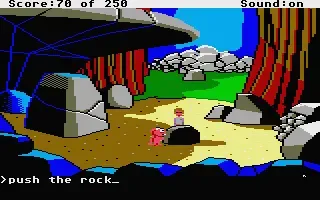
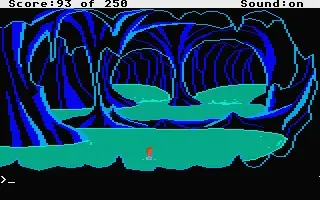
Historical Context & Trivia
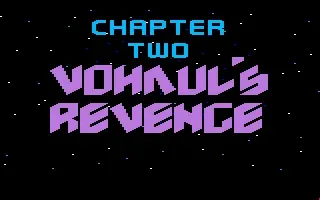
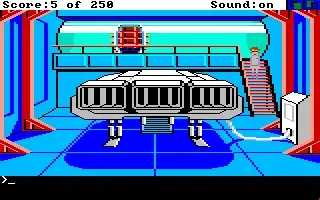
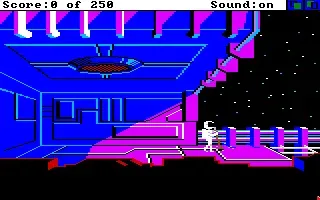
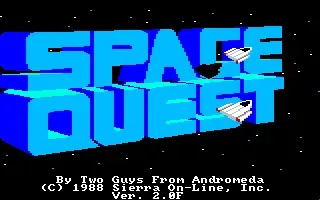
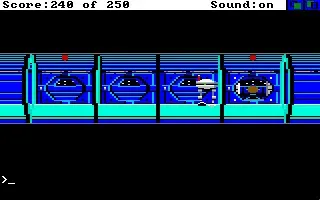
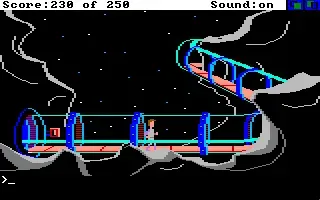
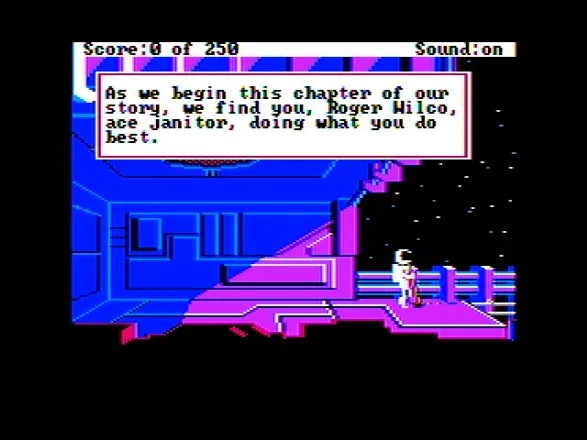
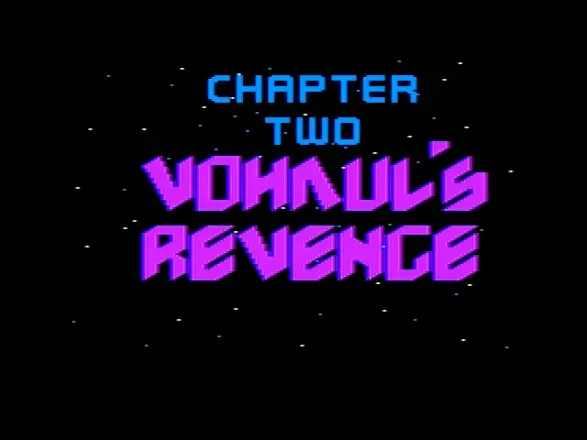
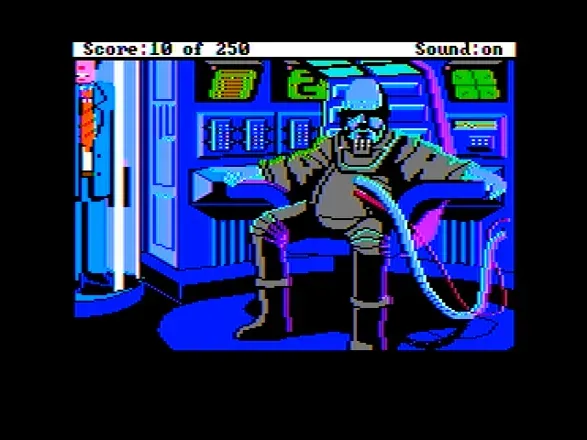
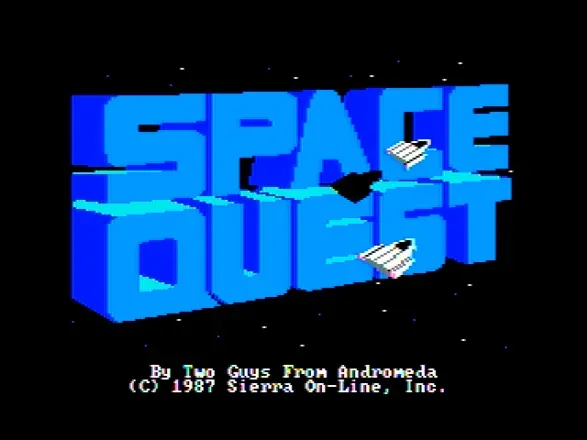
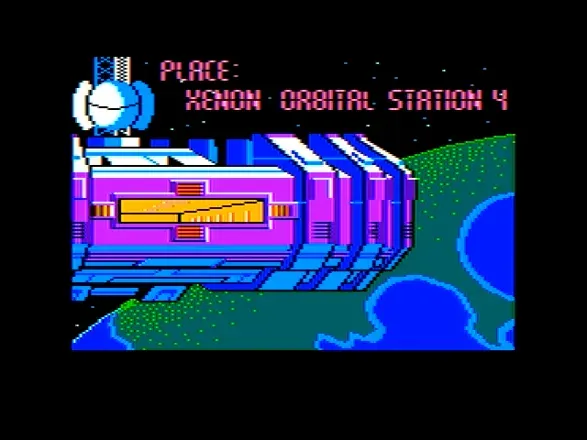
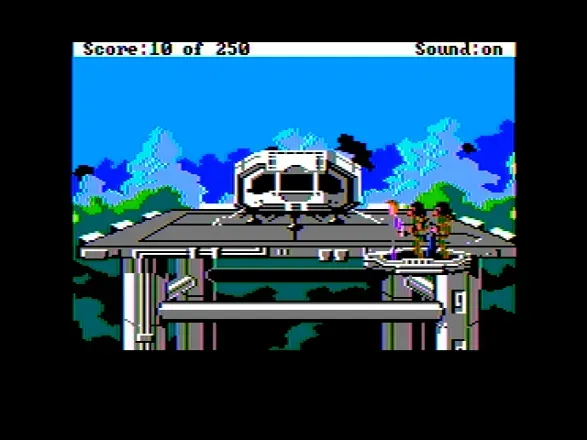
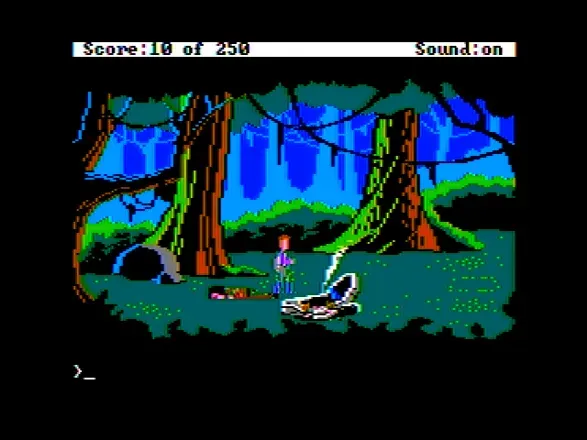
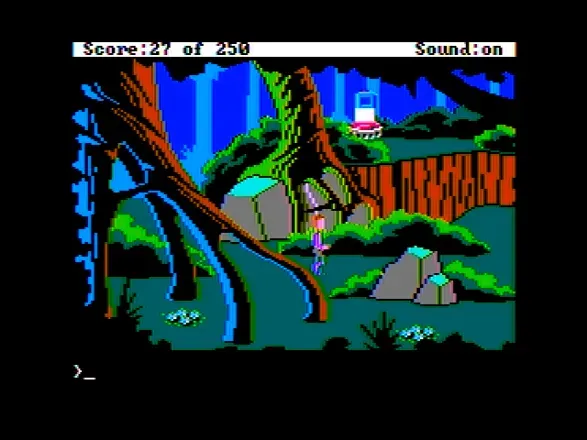
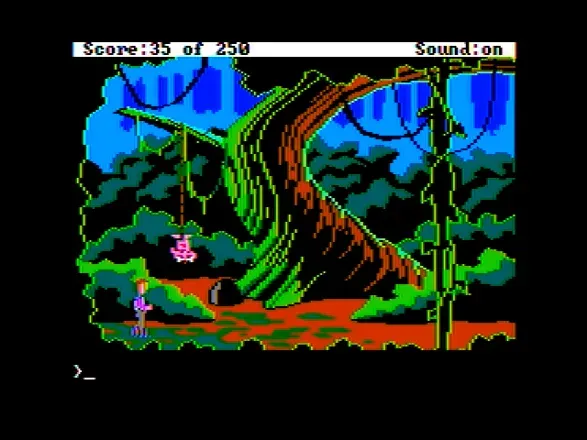
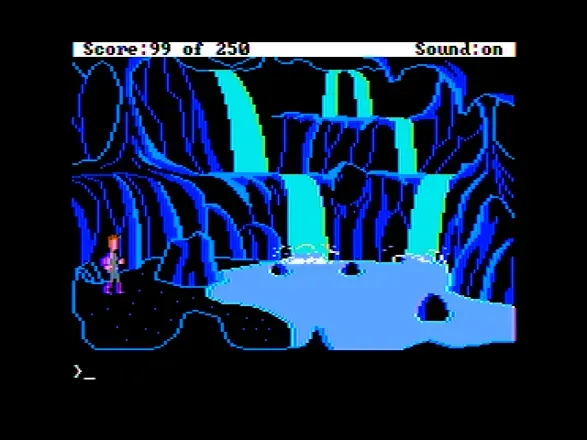
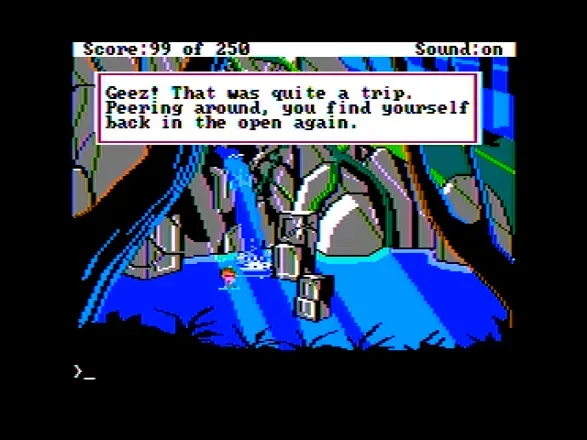
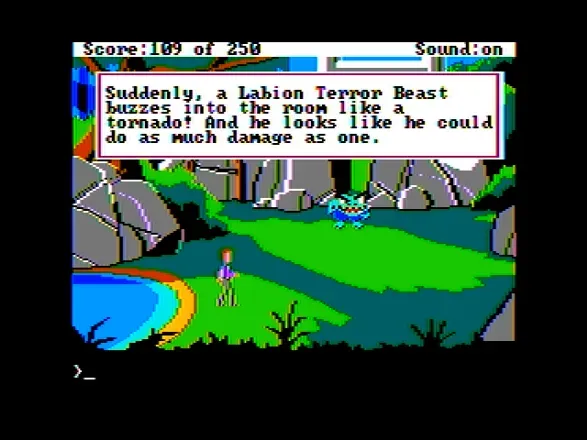
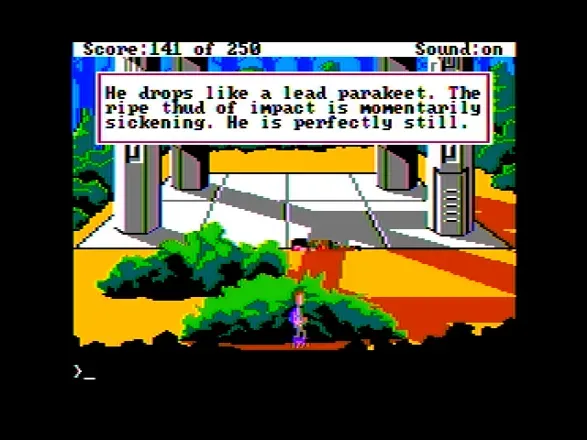
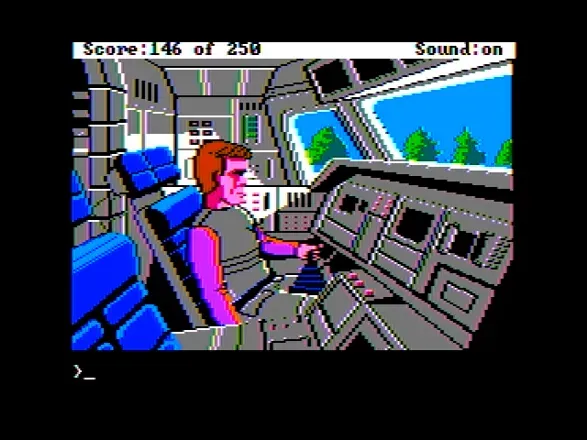
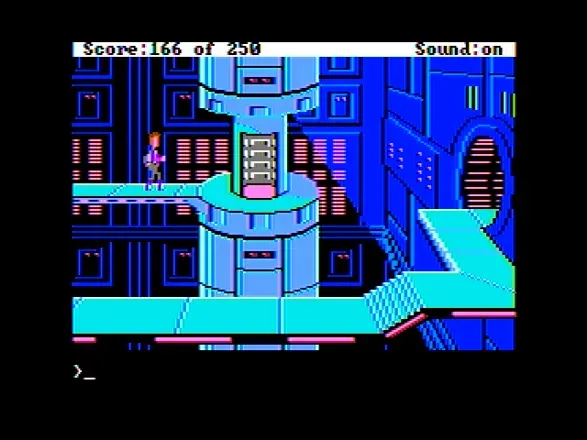
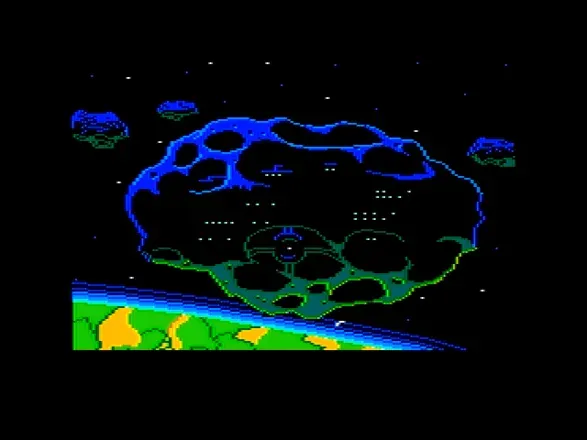
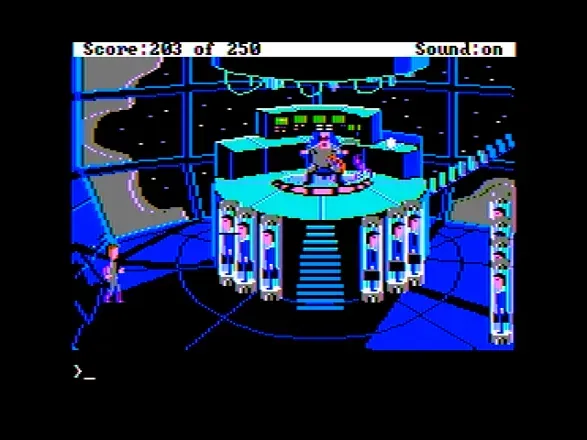
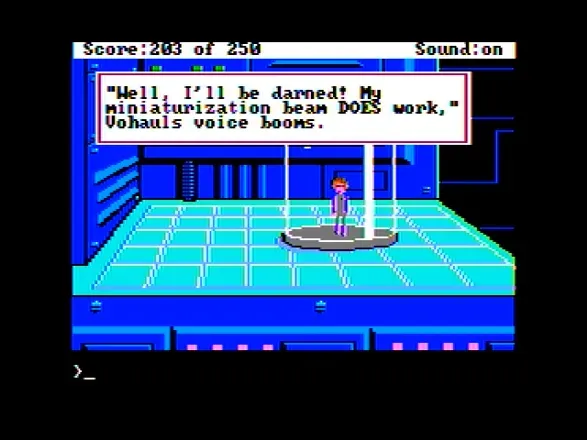
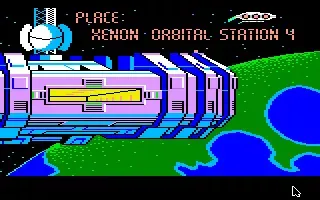
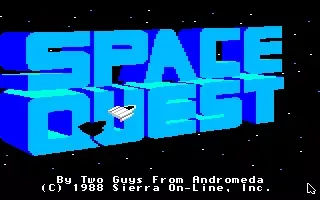
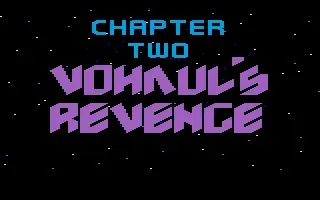
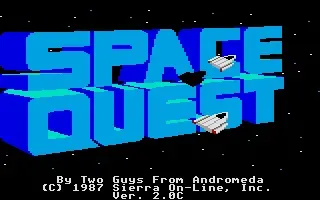
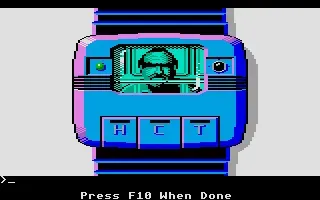
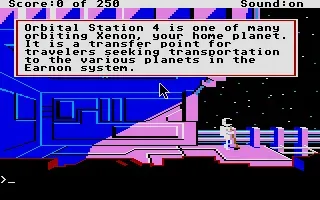
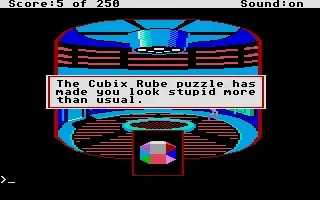
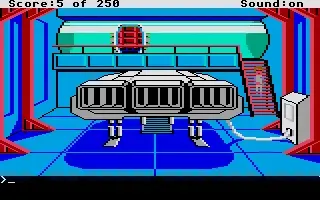
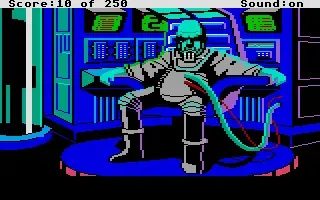
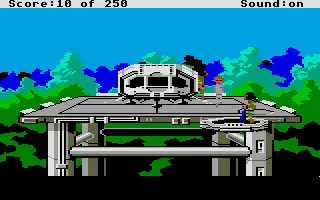
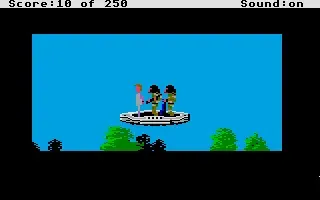
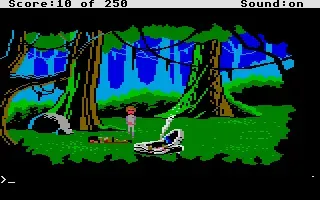
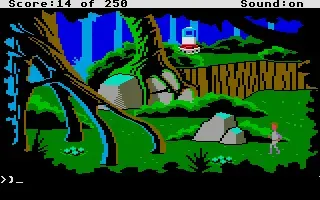
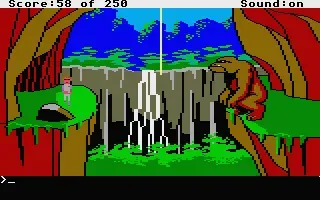
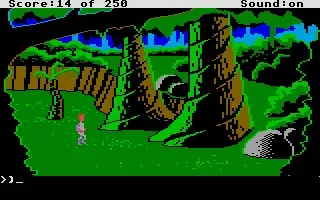
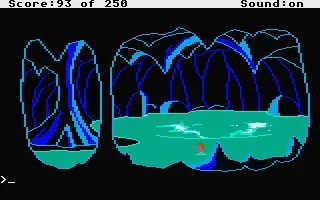
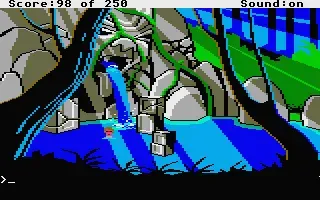
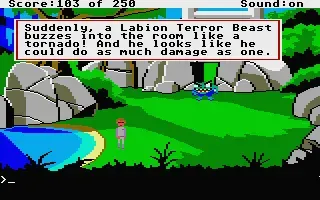
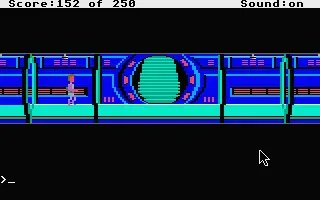
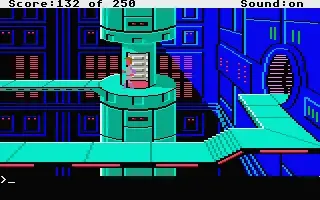
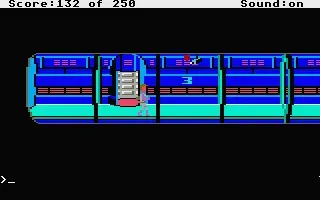
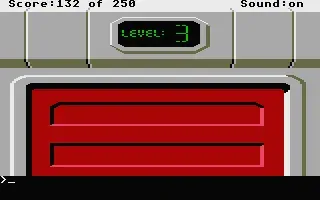
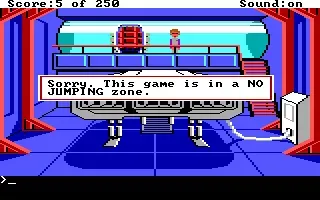
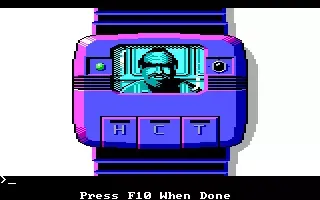
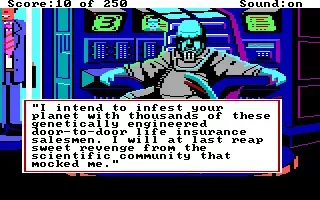
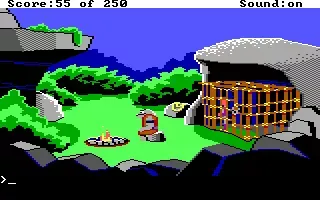
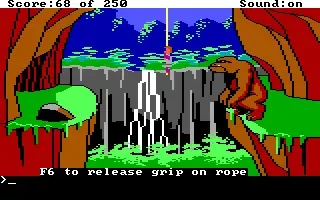
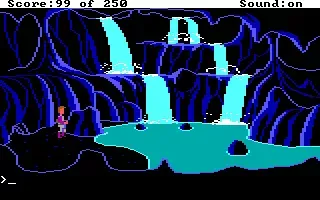
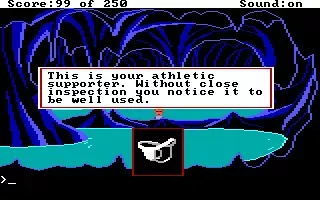
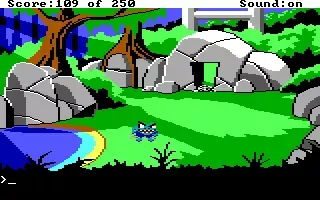
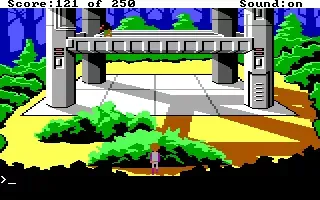
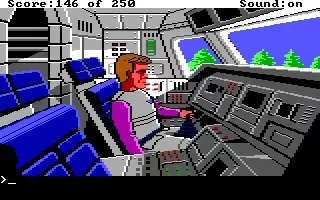
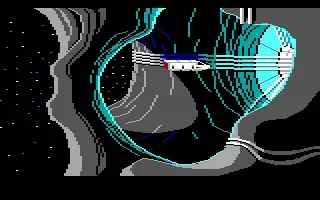
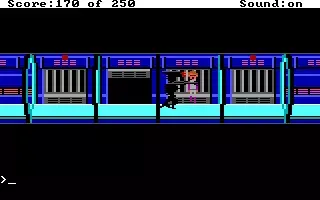
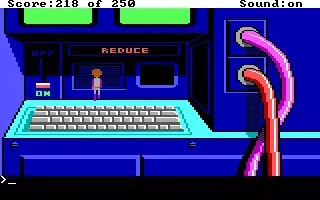
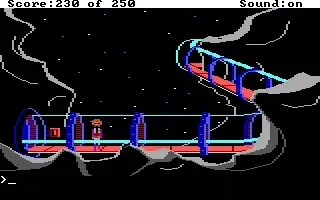
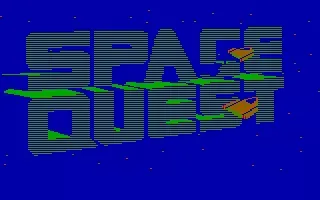
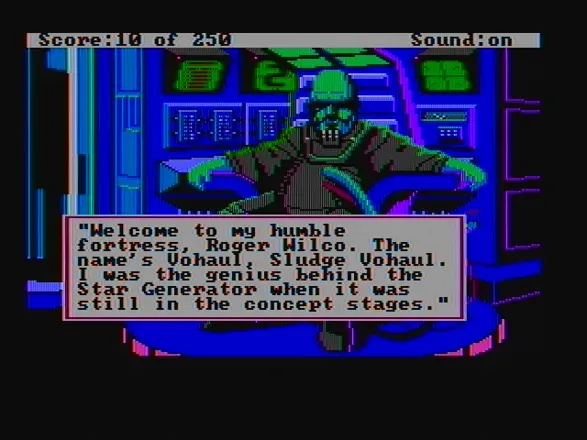
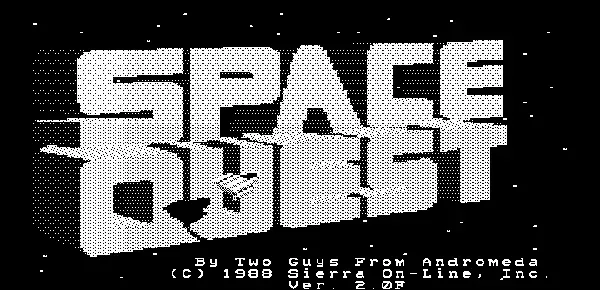
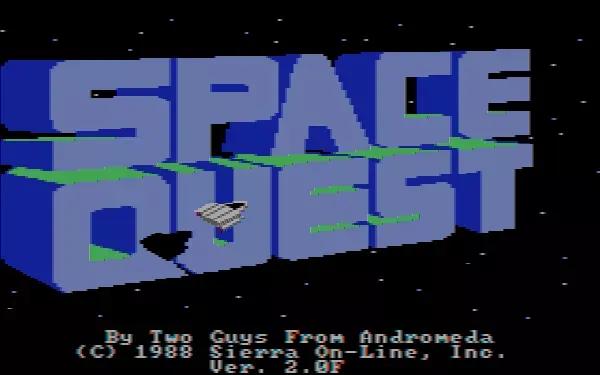
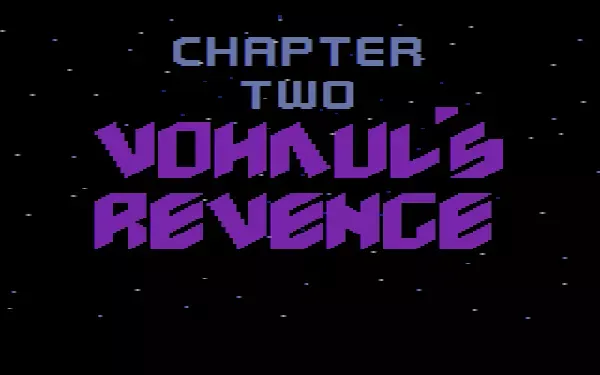
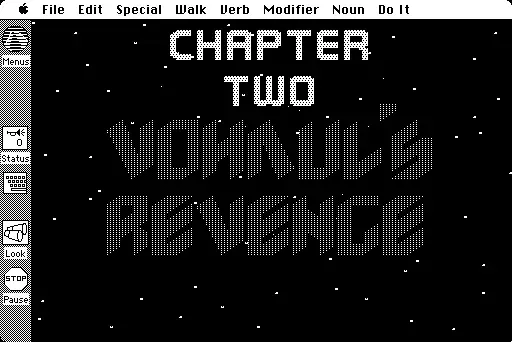
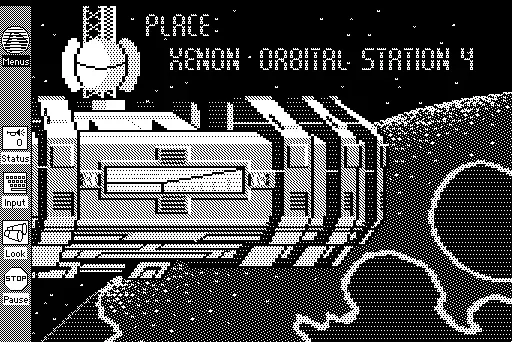
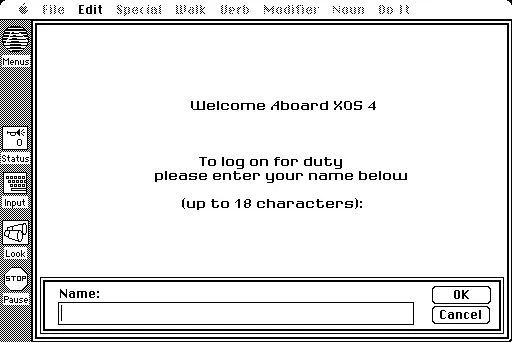
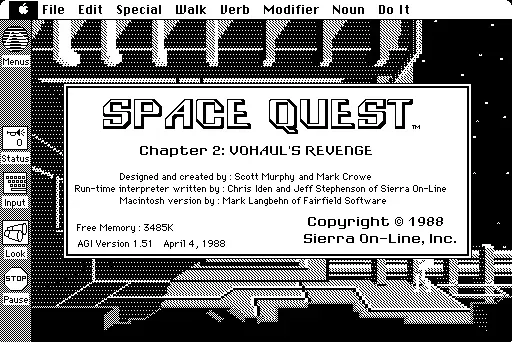
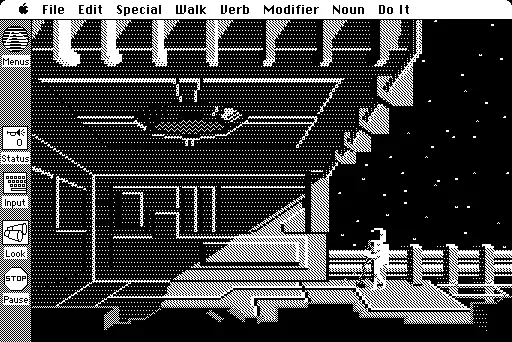
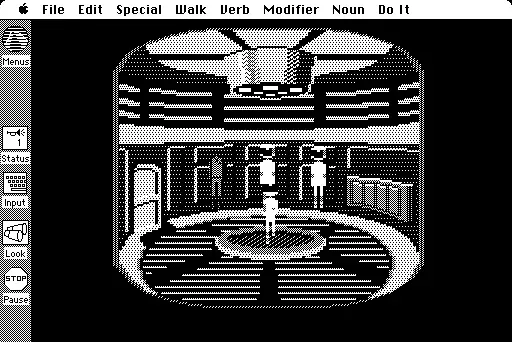
Space Quest II: Chapter II – Vohaul’s Revenge was released in 1987 as the second entry in Sierra On-Line’s comedic Space Quest series, placing players back in the misadventures of Roger Wilco after the events of the first game. It is widely identified as a graphic adventure built on Sierra’s AGI engine and was released for DOS, with later ports appearing on other systems. It is also remembered as one of the early sequels that helped define the series’ mix of science-fiction parody, slapstick failure states, and puzzle-driven exploration.
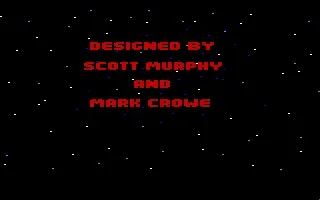
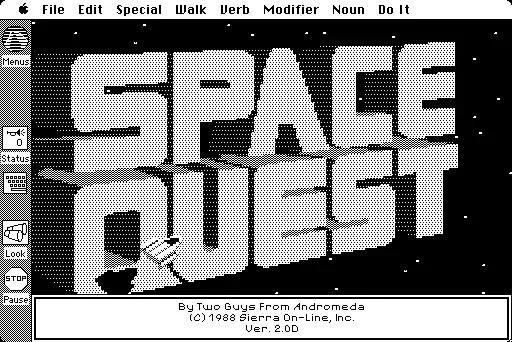
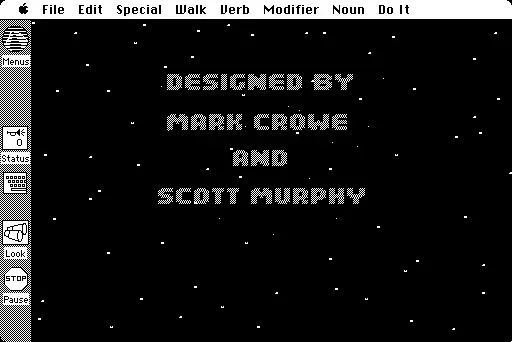
Sierra On-Line developed and published the game for the U.S. market, while U.S. Gold Ltd. handled publishing in some regions, reflecting the common late-1980s practice of splitting distribution across territories. Contemporary and retrospective coverage consistently ties the game to the creative duo of Scott Murphy and Mark Crowe, whose work established the series’ irreverent tone and the “janitor-in-space” premise that made Roger Wilco a standout adventure-game protagonist.
Gameplay & Technical Features
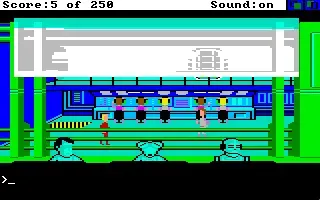
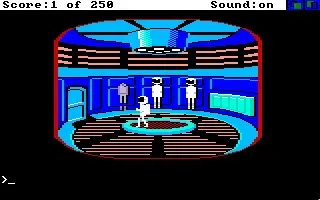
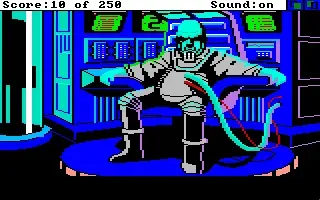
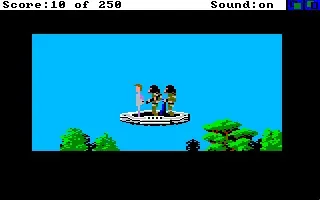
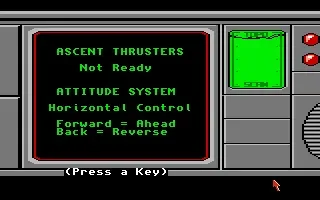
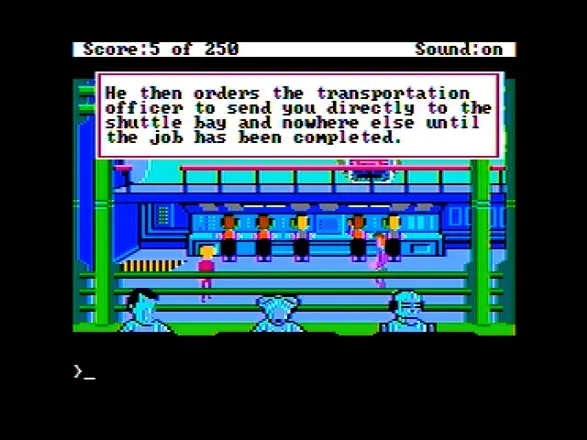
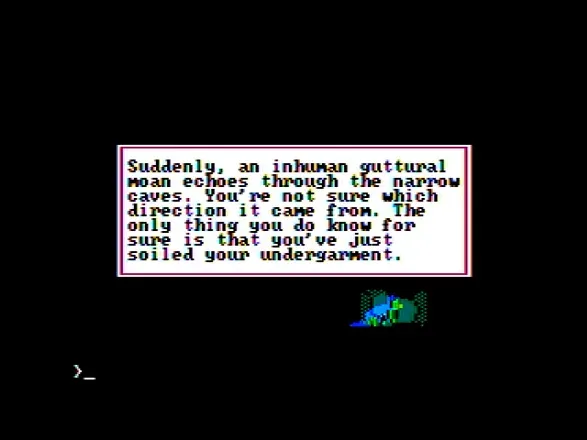
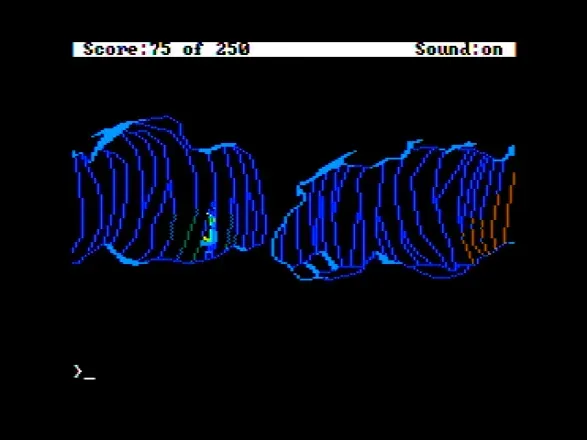
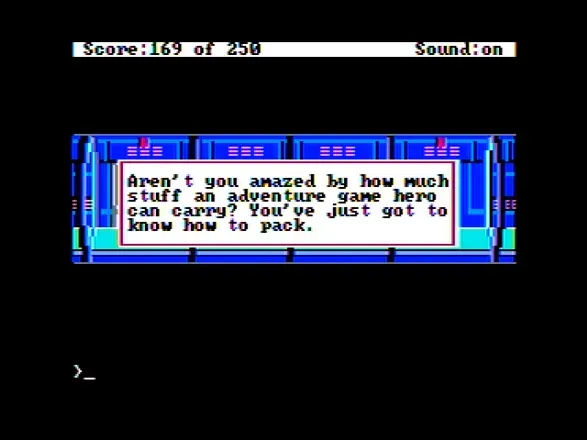
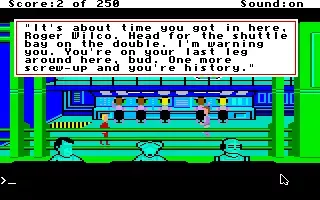
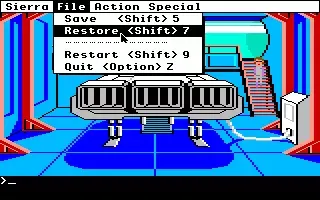
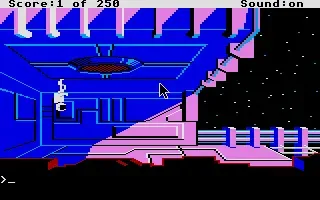
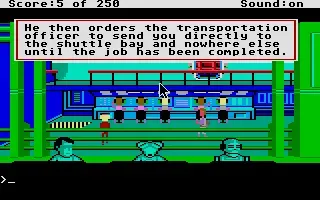
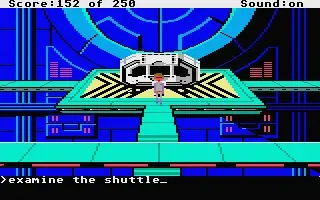
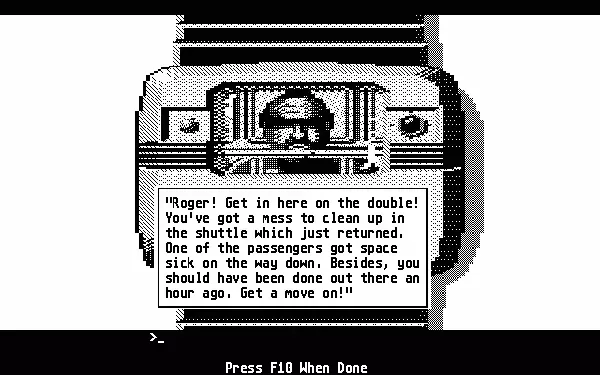
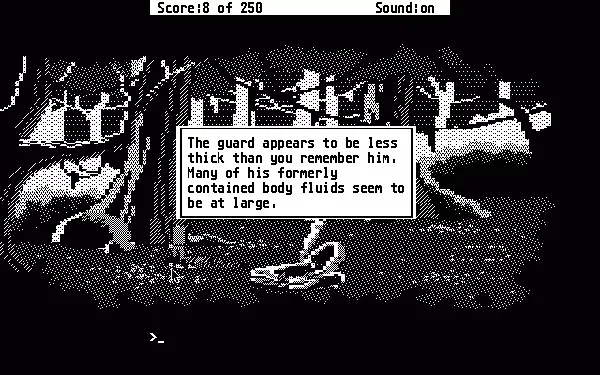
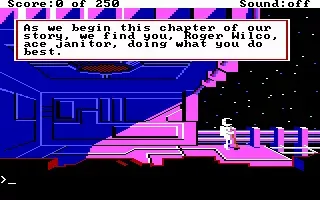
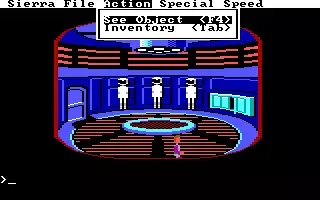
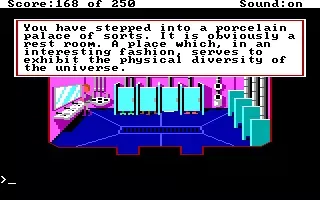
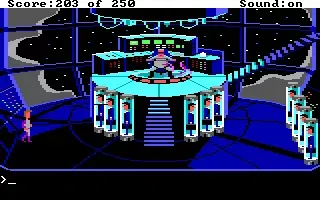
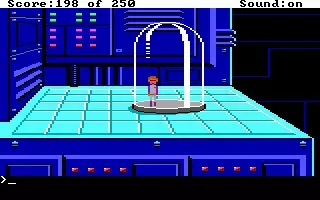
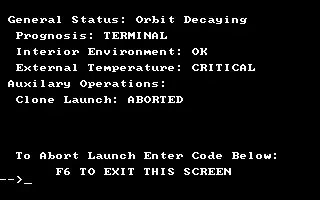
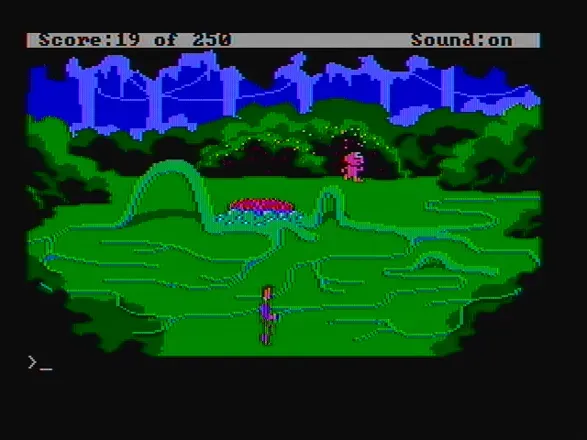
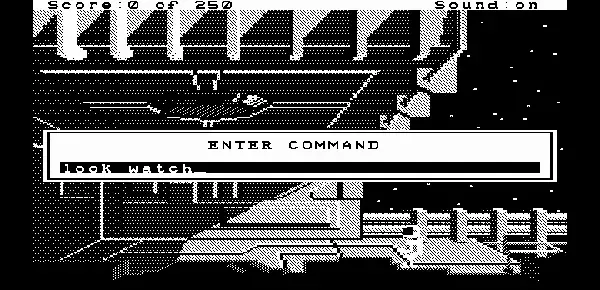
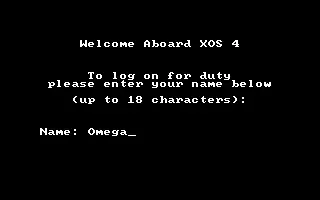
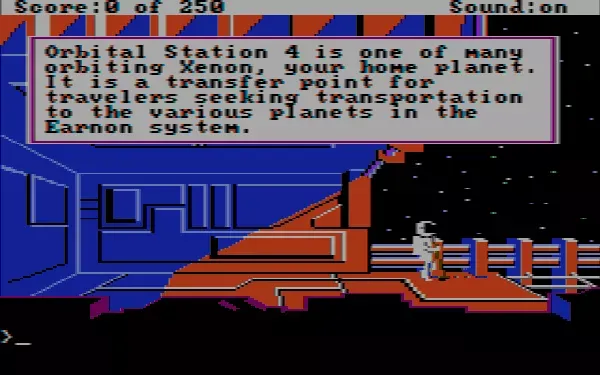
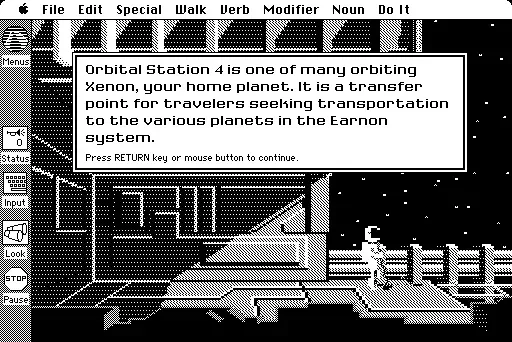
As a graphic adventure, the game centers on exploration, item collection, and command-based puzzle solving, with the player advancing through a linear sci-fi comedy scenario by deciphering environmental clues and avoiding dead ends. Sources describe it as a text-parser adventure in the classic Sierra style, meaning progress depends on typed interactions rather than direct character control.
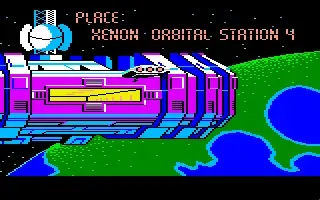
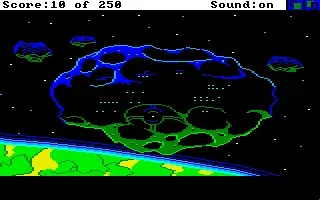
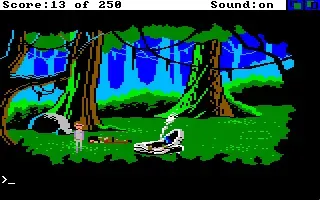
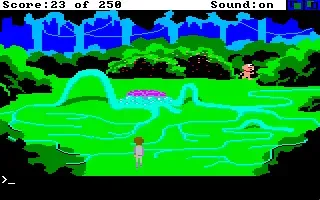
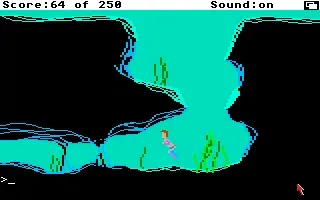
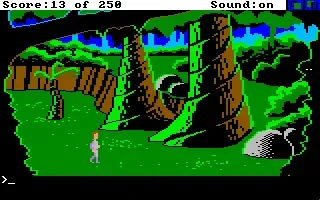
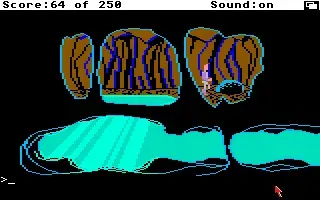
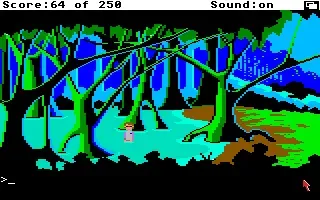
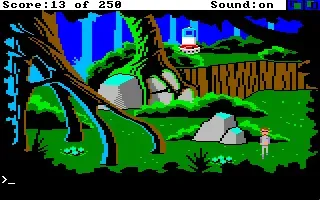
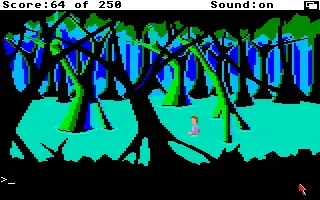
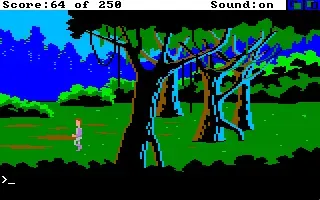
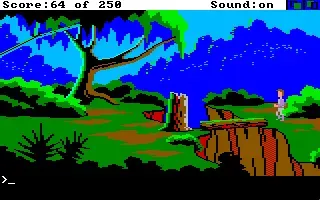
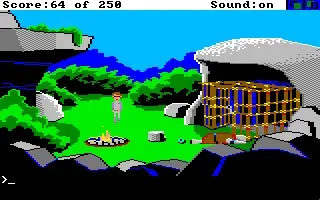
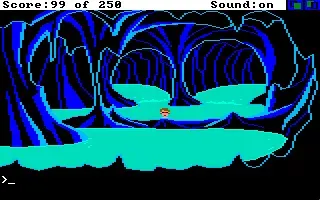
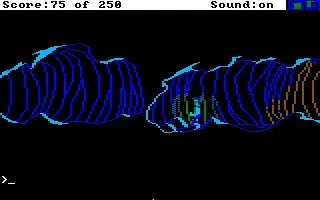
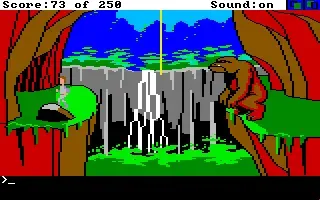
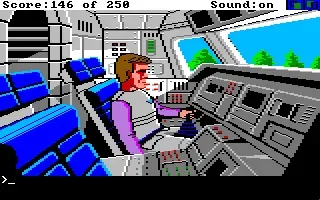
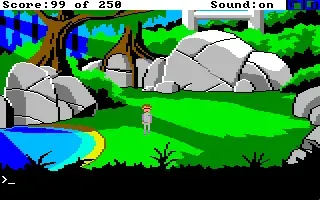
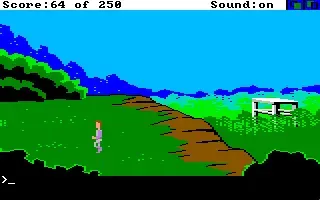
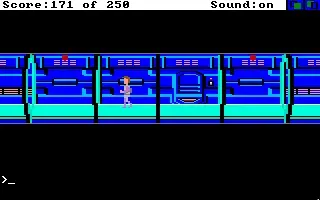
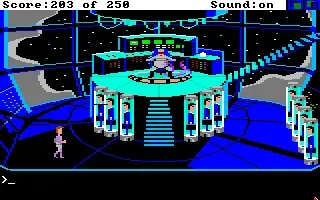
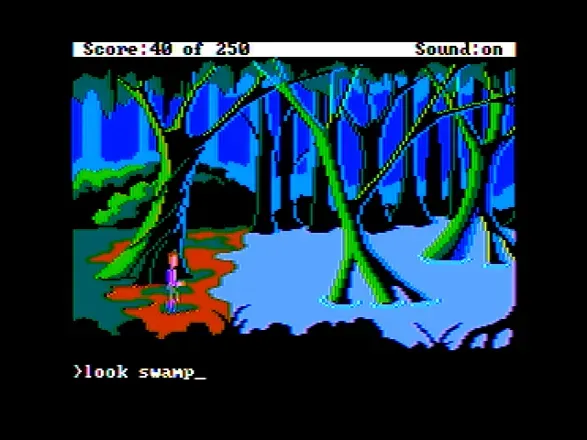
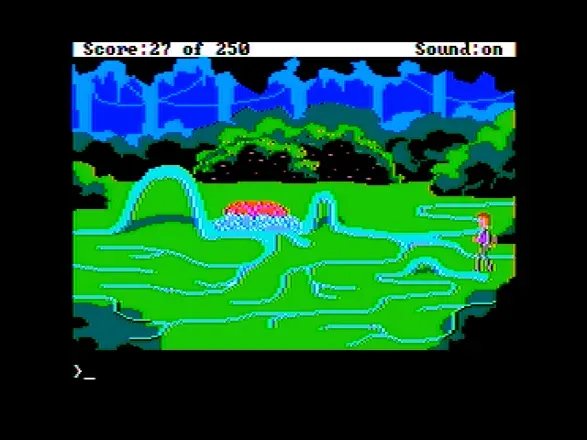
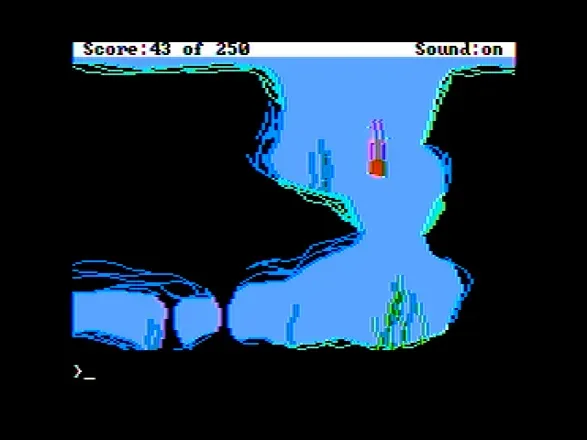
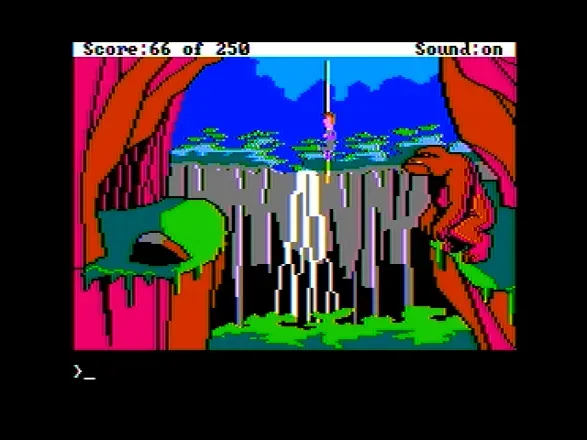
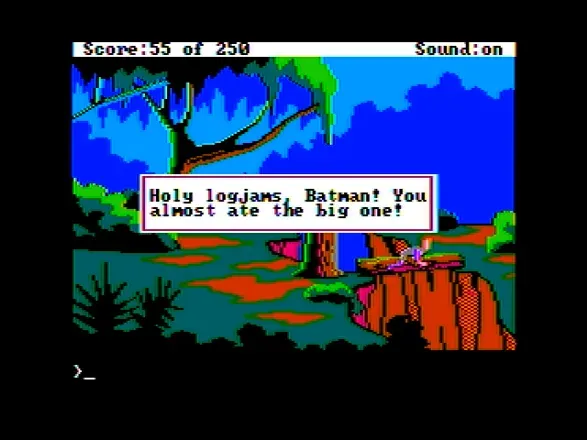
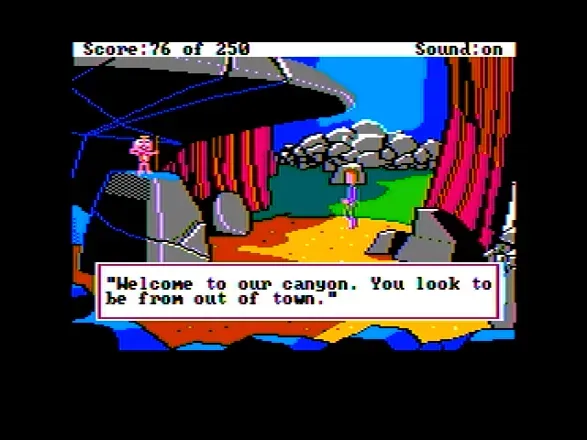
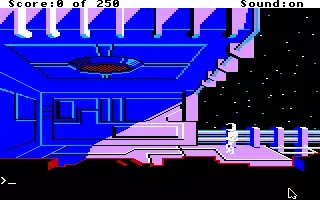
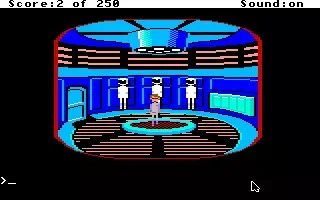
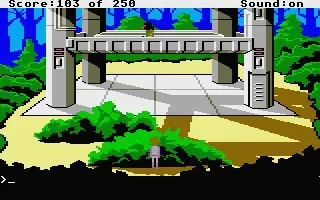
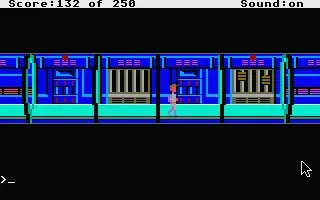
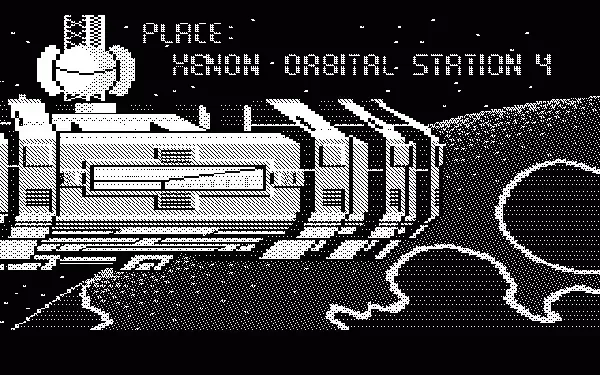
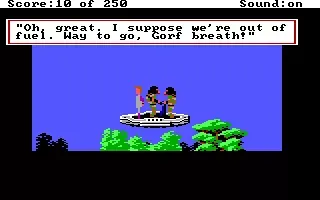
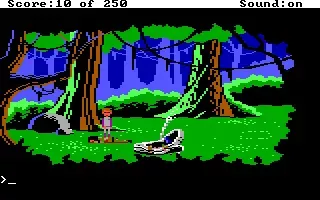
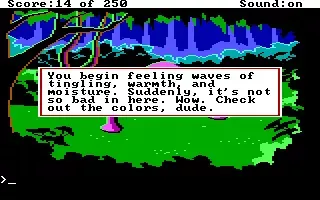
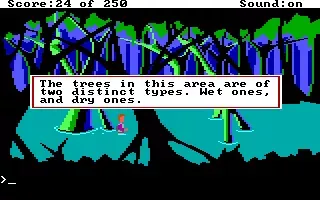
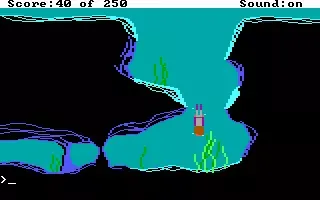
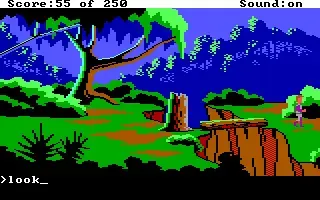
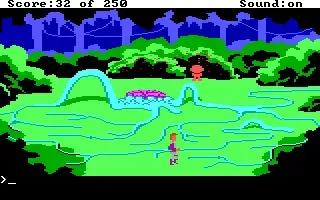
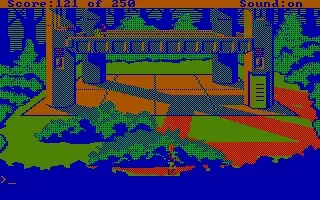
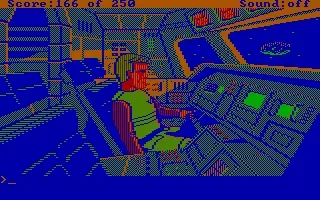
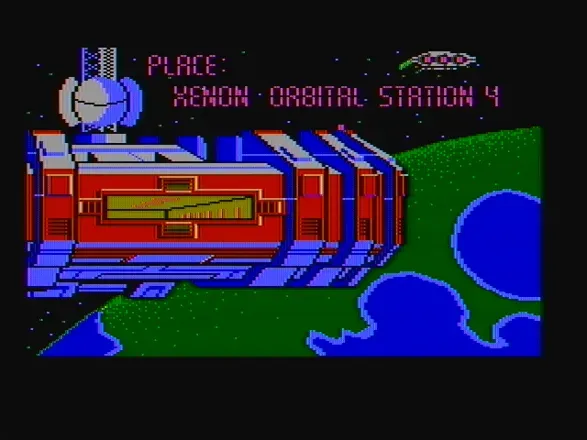
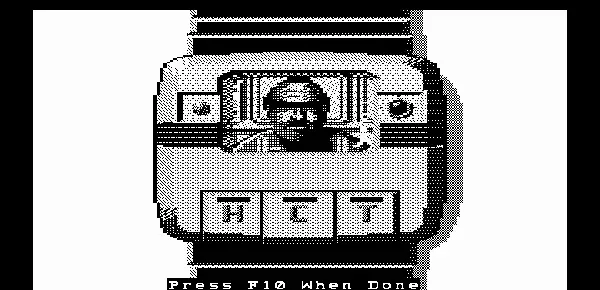
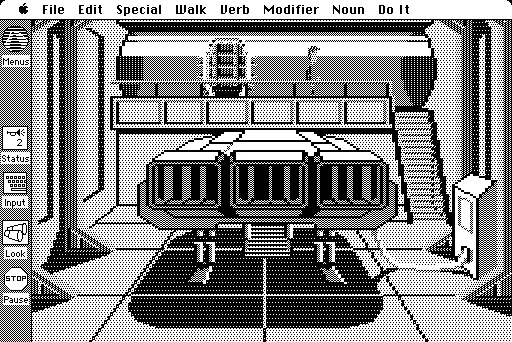
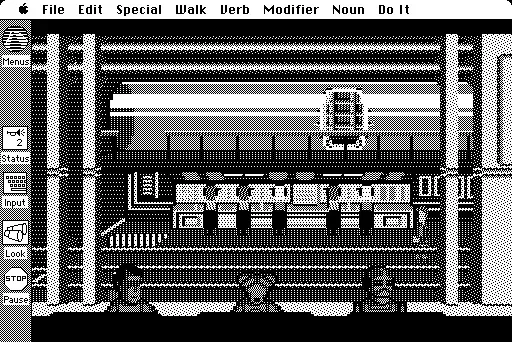
On DOS, the game used Sierra’s AGI framework, which supported the company’s then-standard multi-graphics compatibility across PCs such as CGA, EGA, Hercules, and related configurations. The release shipped on floppy media and was designed for modest hardware of the era, which is consistent with Sierra’s late-1980s adventure pipeline and its emphasis on efficient animation, sparse audio, and readable screen layouts rather than richly detailed visuals.
Collector’s Value & Rarity
Space Quest II is not generally considered a rare obscurity; it was a commercially successful Sierra title and is documented as having sold well enough to earn a strong place in the company’s best-seller history. Its preservation status is therefore relatively healthy compared with niche adventure releases, and original copies are usually valued more for completeness and condition than for extreme scarcity.
For collectors, the most relevant variants are the floppy-disk DOS releases and any region-specific packaging associated with Sierra On-Line or U.S. Gold Ltd.. Physical value increases when the box, disks, manual, and any printed feelies or registration materials are intact, since Sierra adventure games are often judged by their full retail presentation rather than the disc set alone.