

Historical Context & Trivia
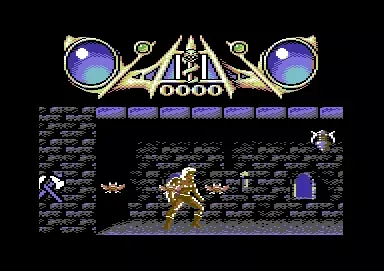
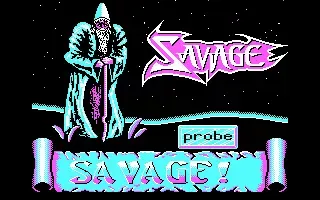
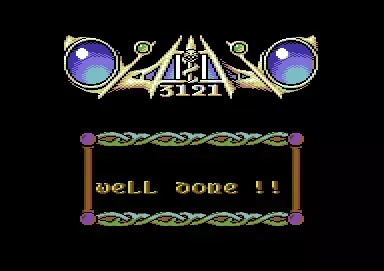
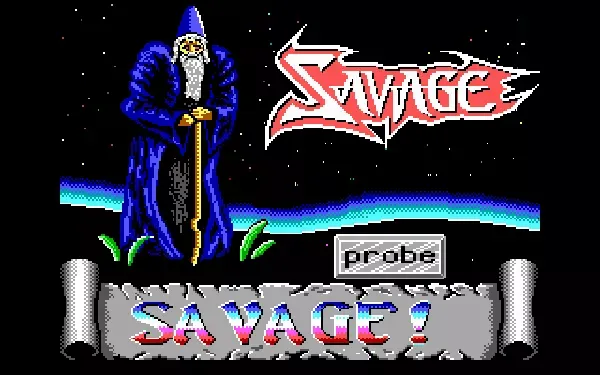
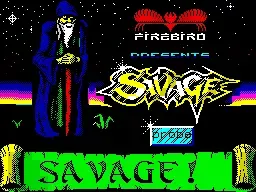
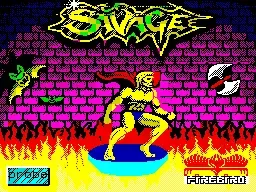
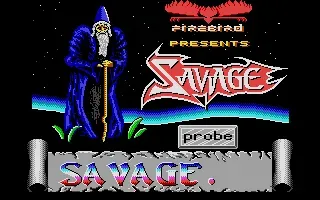
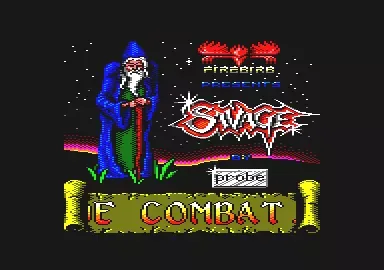
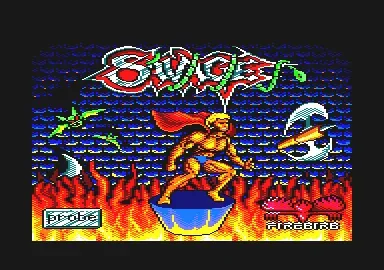
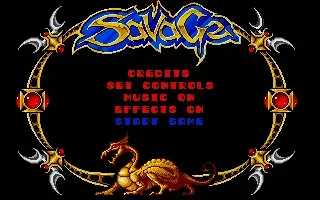
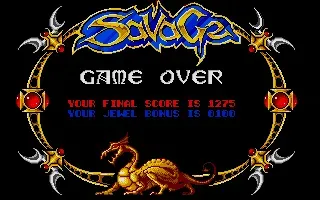
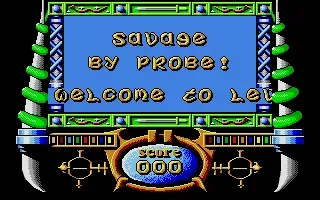
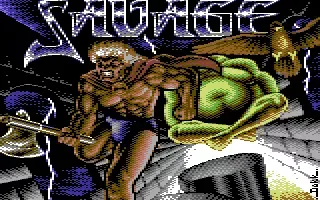
Savage, released in 1988 for the Commodore 64, is a landmark three-part action epic that defined the “multi-genre” arcade experience on 8-bit home computers. The game follows Savage, a muscular warrior imprisoned in a castle who discovers his captivity was a deceptive trap designed to capture his beloved maiden, setting the stage for a swords-and-sorcery rescue mission.
The title was developed by Probe Software (featuring key talents like David Perry, Nick Bruty, and David Whittaker) and published by Firebird Software. It garnered critical acclaim, notably receiving a 4 out of 5-star review in Dragon magazine, where critics praised its extraordinarily high-quality music by Jeroen Tel (of Maniacs of Noise), well-designed graphic sprites by Steve Crow, and fast, fluid gameplay that stood out as one of the best arcade experiences on the system.
Gameplay & Technical Features
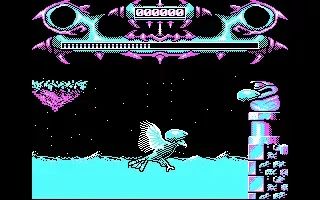
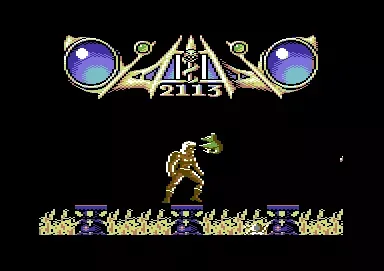
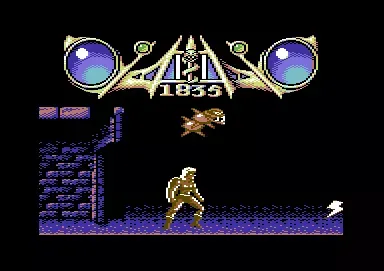
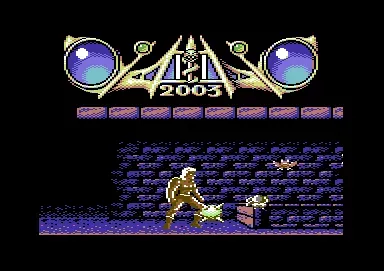
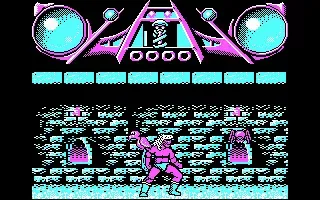
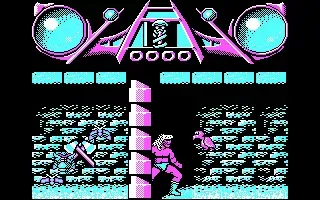
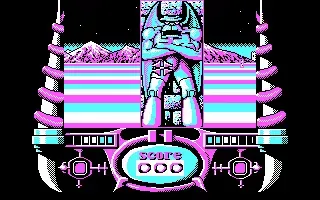
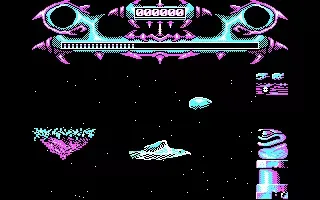
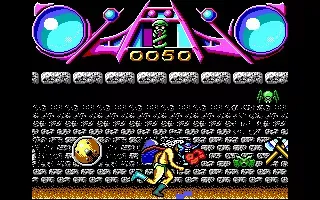
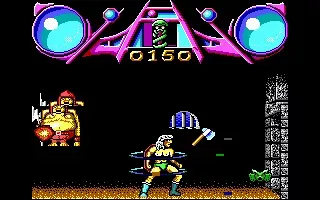
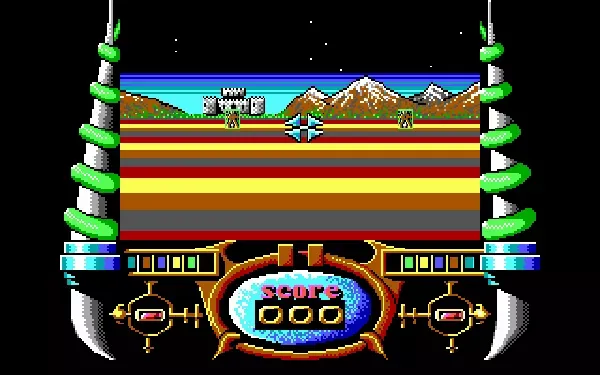
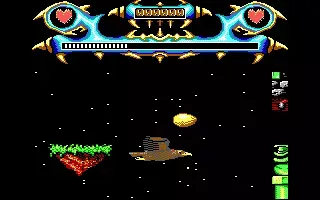
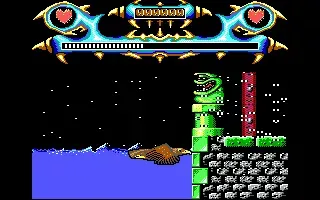
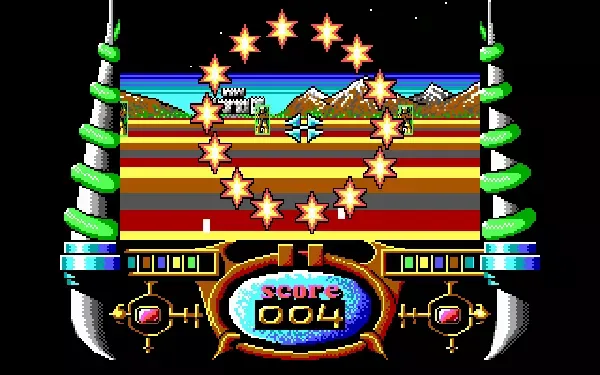
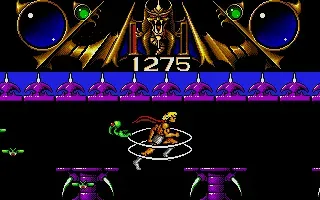
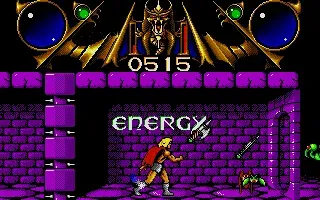
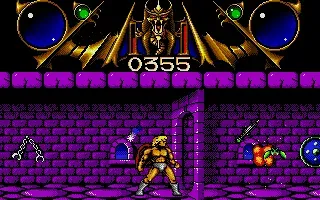
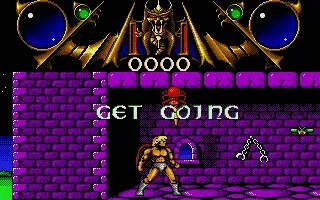
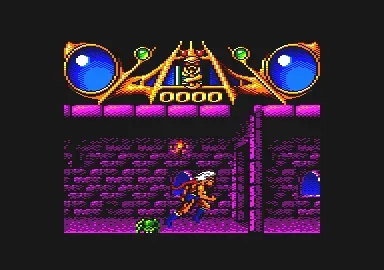
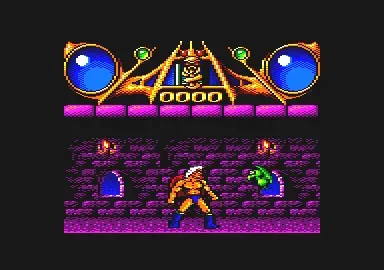
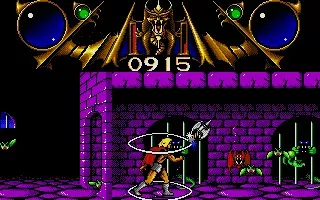
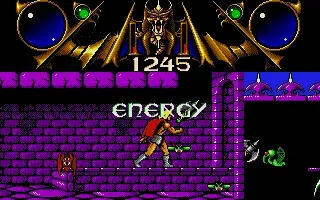
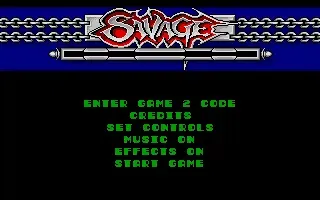
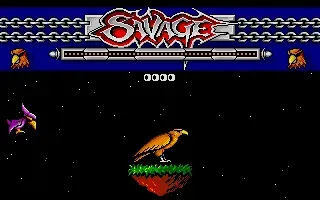
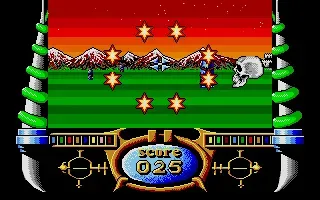
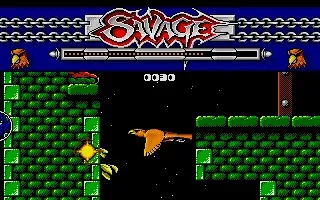
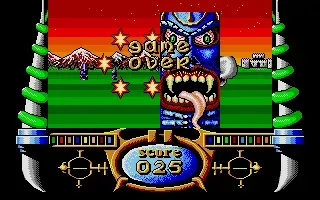
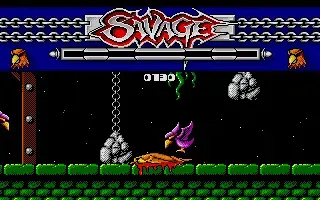
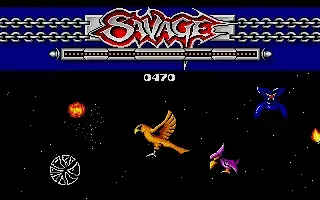
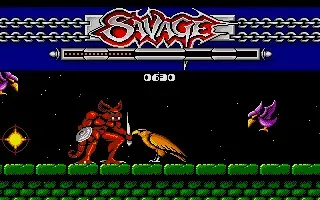
Savage is a unique Action game that seamlessly transitions through three distinct gameplay styles within a single session. The first part is a horizontal-scrolling shooter where the player uses shot trajectory to defeat enemies and collect dropped weapons; the second is a first-person 3D shooter resembling Space Harrier, requiring the player to shoot skulls while avoiding monolithic stone heads; and the third shifts perspective to Savage’s Eagle form, navigating a 2D platform-style maze to collect four keys and escape.
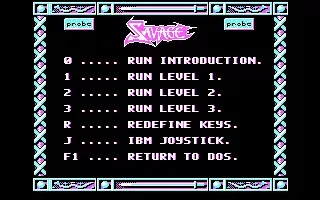
Technically, the Commodore 64 version was engineered to maximize the hardware’s capabilities, utilizing a multi-loader split across three difficult levels to accommodate the game’s size. The technical adaptation allowed for fast scrolling and large sprites, a feat that required significant optimization on the 8-bit platform. The audio framework is particularly notable, with Jeroen Tel‘s compositions providing a rich, dynamic soundtrack that enhanced the fantasy atmosphere, while the visual design maintained consistent quality across the shifting perspectives.
Collector’s Value & Rarity
As a classic title from the late 8-bit era, Savage holds significant collector’s value due to its reputation as a genre-defining multi-part game and its high production quality. While the game was widely distributed, original copies in pristine condition, particularly those with the original box and manual, are sought after by enthusiasts of Firebird Software releases and Commodore 64 history.
The packaging variants include the original UK release by Firebird Software Ltd, which was priced at £8.99, and the game was also known as Project 5 in some development circles. Essential physical collateral elements for collectors include the original instruction manual, which details the three distinct levels and the story, and the original cassette or disk packaging. The game’s legacy is further cemented by its subsequent releases on 16-bit systems like the Amiga and Atari ST in 1989, making the original 1988 C64 version a rare and valuable artifact of early multi-genre gaming.