



“`html
Overview
Released in 1993, Frontier: Elite II is a groundbreaking space trading and combat simulation game. Designed by David Braben and published by GameTek, this entry in the Elite series continues to expand the universe with extensive and realistic gameplay mechanics.
Gameplay
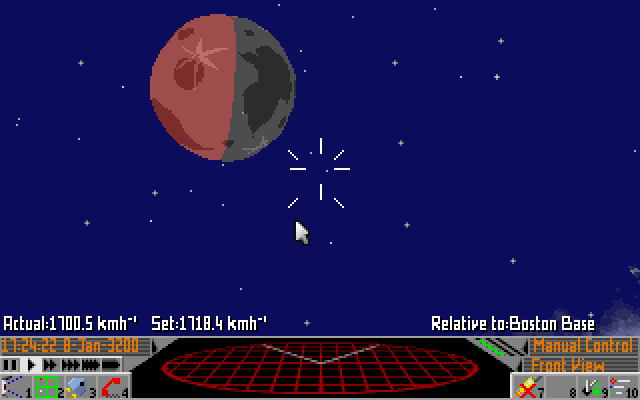
The game is an open-ended space simulator, allowing players to explore a vast, procedurally generated galaxy. Players can engage in various activities such as trading goods, bounty hunting, and piracy. The game boasts a realistic physics engine, which accurately simulates gravitational effects of planets and stars, adding complexity to space travel and combat.
Graphics and Sound
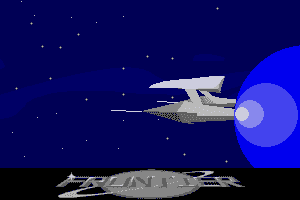
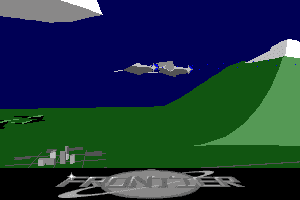
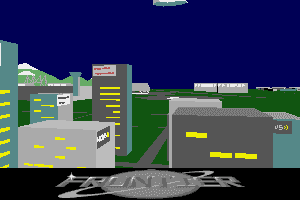
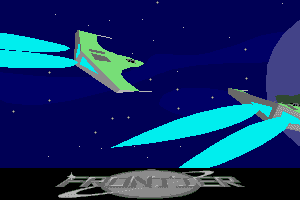
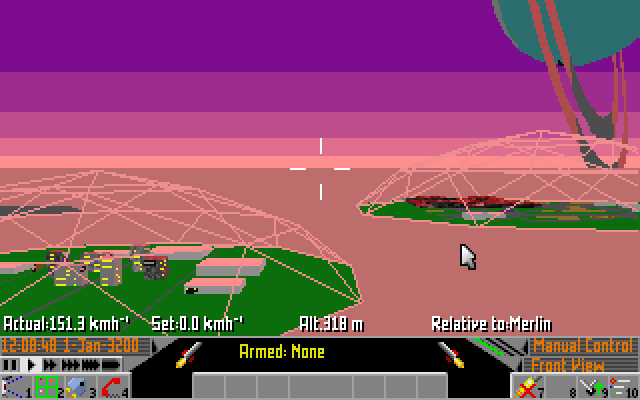
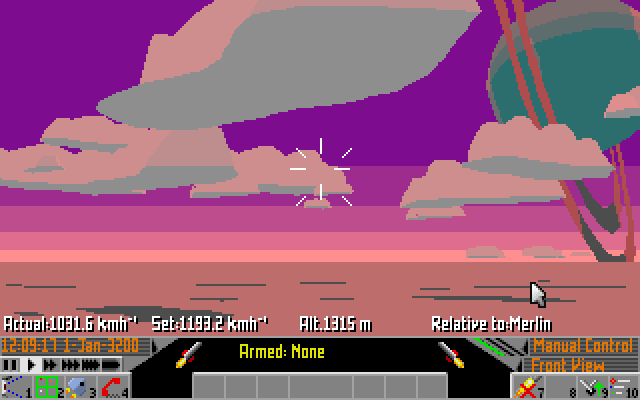
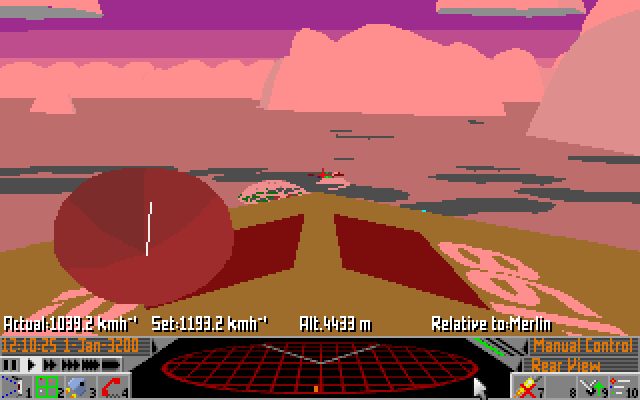
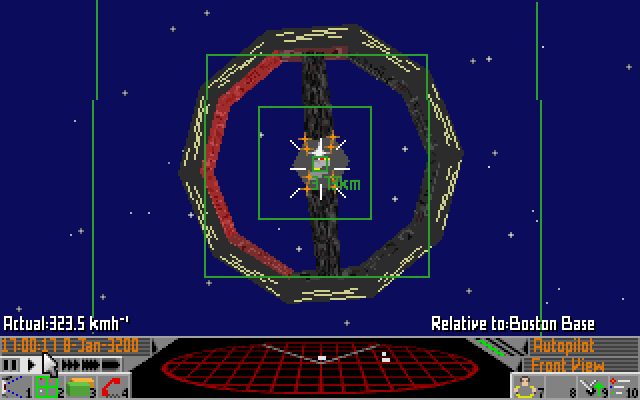
While the game was primarily in 2D with wireframe graphics, its representation of space was remarkably detailed for its time. The game also featured an immersive soundtrack that added to the overall experience, enhancing the sense of being in the vastness of space.
Historical Significance
This game is notable for its ambitious scope and its use of procedural generation, a feature that was ahead of its time. It simulated a universe of unparalleled scale, populated with millions of star systems, each with its own unique features and missions.
Development and Legacy
The game had a rocky development path, primarily due to its groundbreaking ambitions. David Braben worked tirelessly, taking advantage of his understanding of nascent 3D technology. Despite some mixed reviews at launch due to its steep learning curve, the game has since been praised for its technical achievements and realism in simulating space.
Curiosities
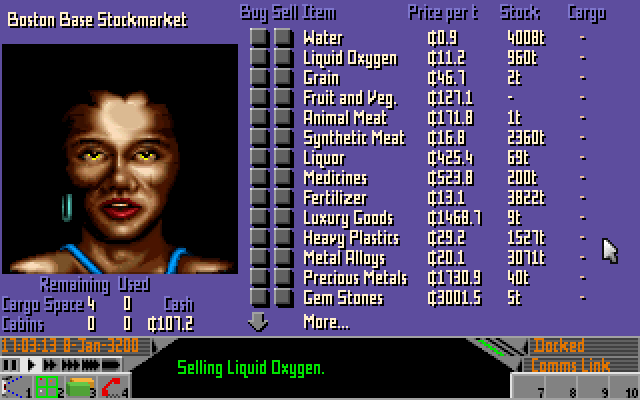
- The game features a realistic economic model, where the prices of goods fluctuate based on supply and demand.
- It offered players freedom of action rarely seen in games of its time, cementing it as a cult classic among fans of space simulation.
- The game also inspired future generations of space exploration games, including the well-known Elite: Dangerous.
“`