

DB Version: 1.0.1 - Last Update: 23/09/2025
ZxSpectrum Games
ZxSpectrum
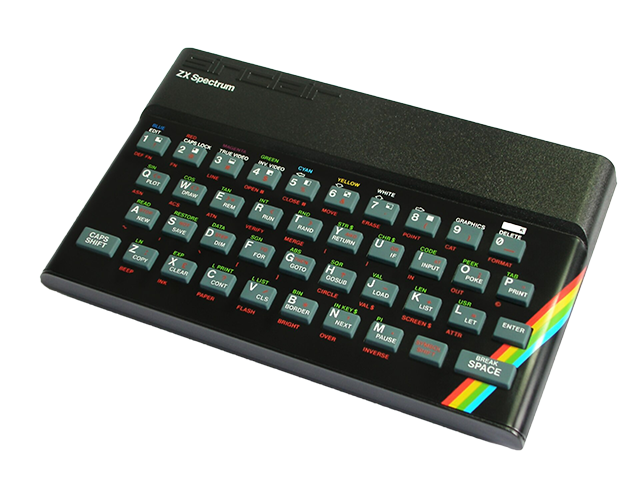
Year: 1982
Generation: Second
Producer: Sinclair Research
Launch Year: 1982
Discontinued: 1992
Units Sold: 5 million
Top Game: Manic Miner
Price at Launch: £125
Country of Origin: United Kingdom
CPU: Z80A
RAM: 16 KB
Devices / Peripherals: RAM Expansion,Joystick,Tape Recorder,Printer,Monitor or TV
1. What Was the ZX Spectrum?
The ZX Spectrum, released in 1982 by Sinclair Research, was one of the most iconic and influential home computers of the 1980s. Known for its rubber-keyed design, affordability, and colorful graphics, it became a staple of British households and played a huge role in the early days of gaming and software development in Europe.
With a strong focus on accessibility and education, the Spectrum was instrumental in introducing a generation to programming, game development, and home computing.
2. Key Features of the ZX Spectrum
- Z80A CPU: 8-bit processor running at 3.5 MHz.
- 16 KB or 48 KB RAM: depending on the model, with later versions offering more.
- Color graphics: supported 15 colors and a 256×192 resolution display.
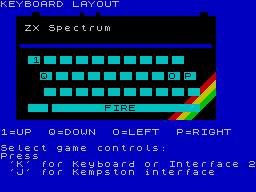
- Membrane and rubber keyboard: distinctive design that became iconic.
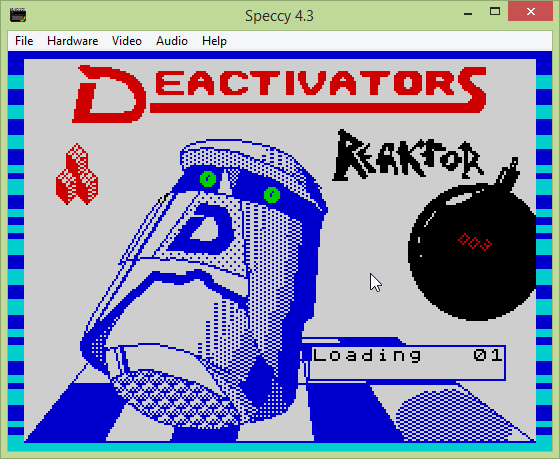
- Data storage on cassette tapes: programs were loaded and saved via standard audio cassettes.
3. Games and Software
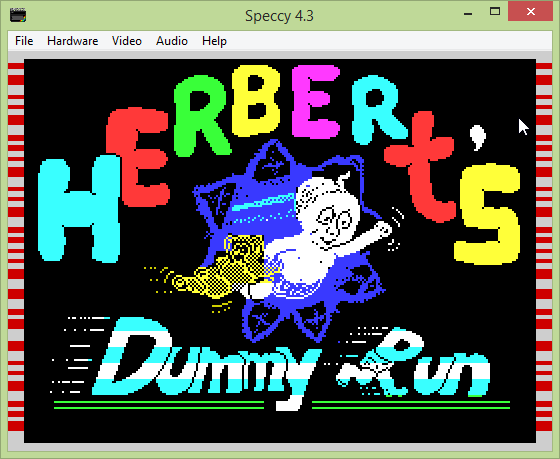
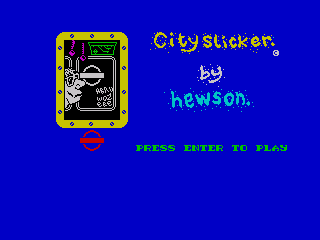
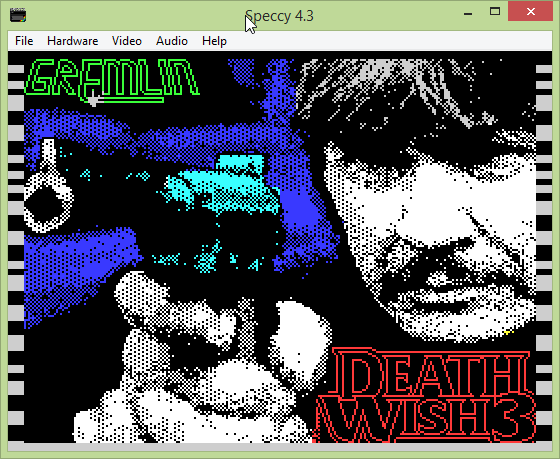
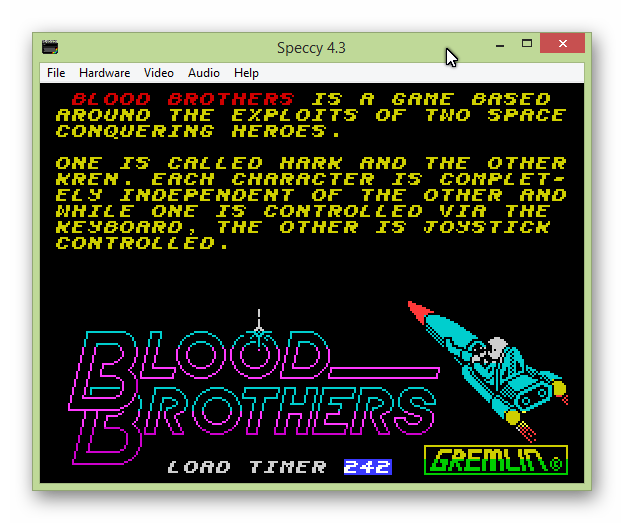
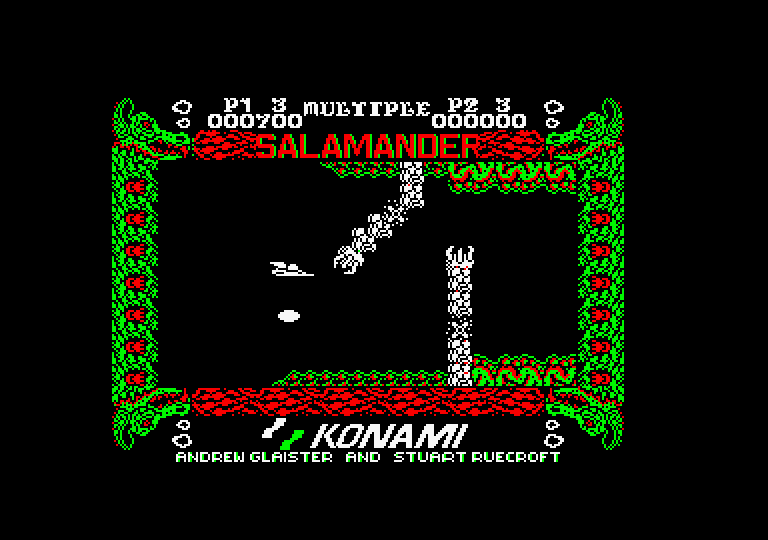
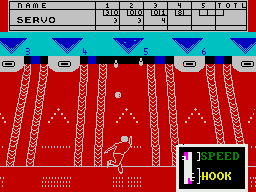
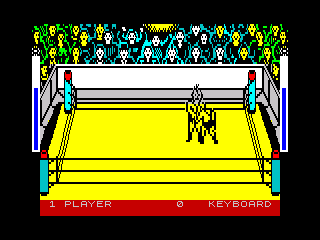
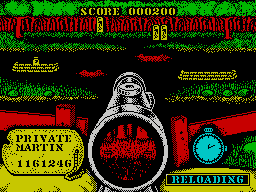
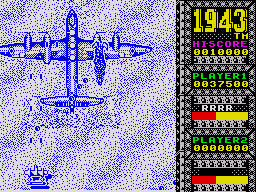
- Thousands of titles: including Manic Miner, Jet Set Willy, Saboteur, Dizzy, and Knight Lore.
- Wide software variety: educational tools, productivity apps, art programs, and text adventures.
- Programming in BASIC: built-in Sinclair BASIC made it easy for users to create their own programs.
4. Legacy and Cultural Impact
The ZX Spectrum sparked a software revolution in the UK and Europe. Its low cost and massive user base created a booming market for independent game developers. Today, it’s remembered as one of the most important machines in the history of computing.
- British coding boom: launched the careers of countless game developers and studios.
- Still active today: fan-made games, emulators, and modern remakes keep the Spectrum alive.
- Next-gen revival: systems like the ZX Spectrum Next aim to bring the classic experience to new audiences.
GAMES ZXSPECTRUM

© 2026 Don't think about what you see, but create what you imagine.