

DB Version: 1.0.1 - Last Update: 23/09/2025
Windows Games
Windows
1. What Is Microsoft Windows?
Microsoft Windows is a family of operating systems developed by Microsoft, first introduced in 1985 as a graphical user interface for MS-DOS. It has since evolved into the world’s most widely used desktop OS, powering personal computers, workstations, and tablets across the globe.
Windows introduced the now-familiar desktop metaphor, with icons, windows, folders, and a taskbar — revolutionizing how users interact with computers. It grew from a basic interface into a full-fledged multitasking OS that has shaped modern computing.
2. Key Features of Windows
- Graphical interface: user-friendly desktop environment with windows, icons, and menus.
- Multitasking: allows multiple programs to run simultaneously with improved memory management.
- Wide compatibility: supports a vast ecosystem of software and hardware peripherals.
- Built-in networking: from simple file sharing to enterprise-grade Active Directory integration.
- Backwards compatibility: supports older DOS and Windows applications through various versions.
3. Major Windows Versions
- Windows 3.1 (1992): brought wide adoption with improved UI and early multimedia support.
- Windows 95: introduced the Start Menu, taskbar, and plug-and-play features.
- Windows XP: a long-lasting version praised for its stability and user-friendly design.
- Windows 7: streamlined interface and performance, still beloved by many users.
- Windows 10 & 11: modern, cloud-integrated systems with regular feature updates and strong gaming support.
4. Legacy and Influence
Windows played a major role in the global adoption of personal computing. From home users to enterprise environments, it set industry standards for software development, user interfaces, and platform compatibility.
- Dominant OS: for decades, it has led in market share across desktop and business systems.
- Gaming powerhouse: DirectX made Windows the primary platform for PC gaming.
- Cross-generational evolution: constantly evolving while maintaining user familiarity.
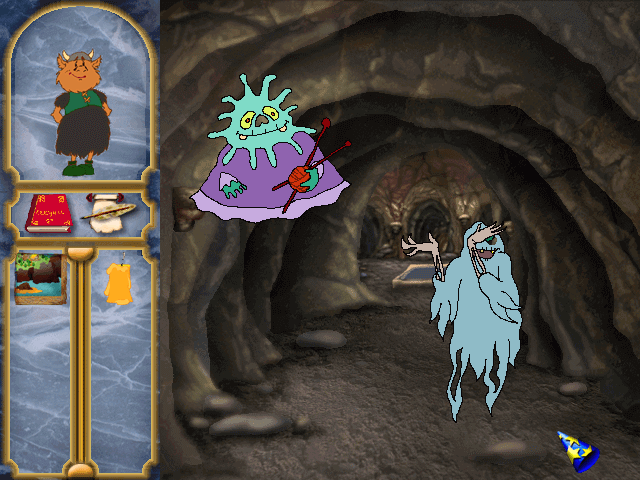
GAMES WINDOWS

© 2026 Don't think about what you see, but create what you imagine.