

DB Version: 1.0.1 - Last Update: 23/09/2025
Windows 3x Games
Windows 3x
1. What Was Windows 3.x?
Windows 3.x refers to a series of Microsoft operating environments released between 1990 and 1993, including Windows 3.0, 3.1, and 3.11. These versions marked the true beginning of Windows as a serious graphical operating platform, transitioning it from a simple shell into a full-featured user environment atop MS-DOS.
Windows 3.x brought millions of users into the world of multitasking, mouse-driven computing and paved the way for future versions like Windows 95. It was especially popular in both home and business settings during the early 1990s.
2. Key Features of Windows 3.x
- Graphical Program Manager: introduced a windowed interface with icons and file groups.
- Multitasking: supported cooperative multitasking for Windows applications.
- Expanded memory support: made use of 286/386 processors and extended memory.
- Fonts and TrueType: Windows 3.1 introduced scalable fonts with built-in TrueType support.
- Built-in applications: like File Manager, Paintbrush, Notepad, and Control Panel.
3. Popular Software and Games
- Microsoft Office: early versions of Word, Excel, and PowerPoint ran on Windows 3.x.
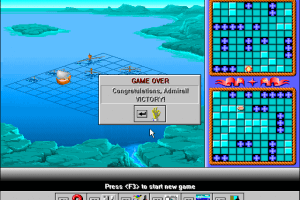
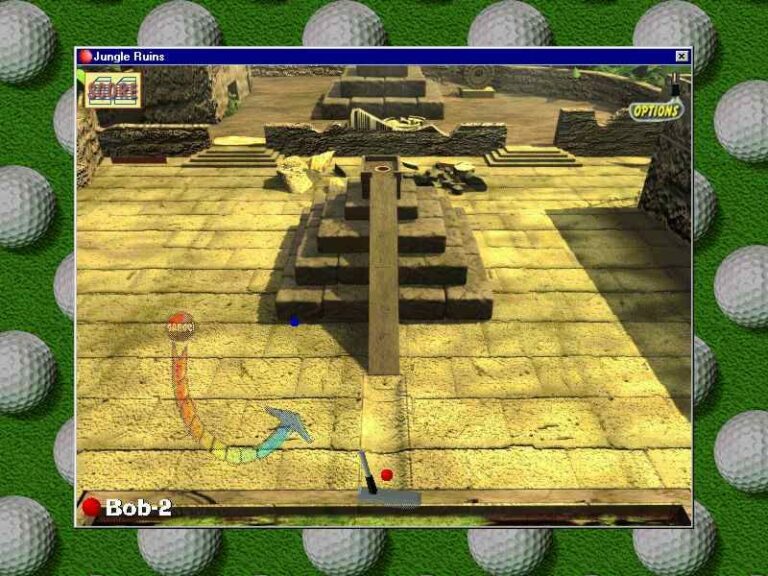
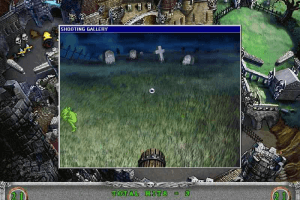
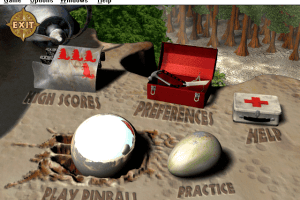
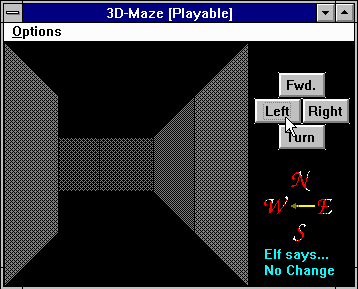
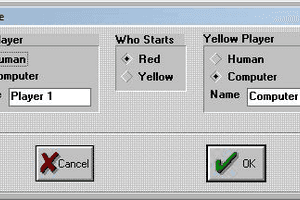
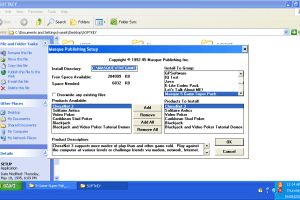
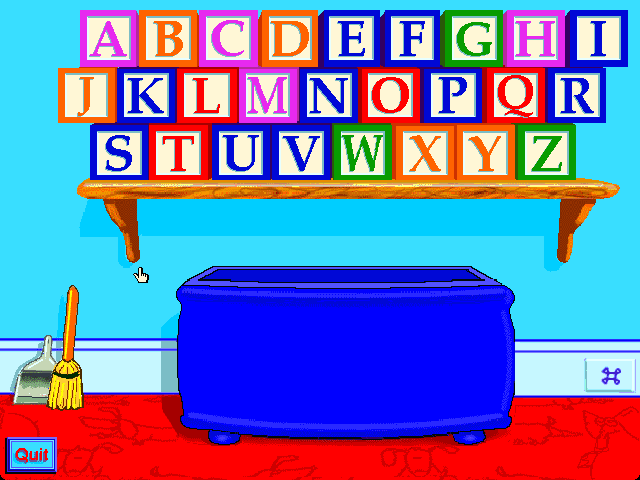
- Games: including Minesweeper, Solitaire, and third-party titles like SimCity and Wolfenstein 3D.
- Multimedia extensions: allowed sound playback, video, and CD-ROM support in later versions.
4. Legacy and Impact
Windows 3.x laid the foundation for Microsoft’s dominance in the OS market. It brought a consistent graphical interface to the masses and created an entire ecosystem of Windows-native software. Many users first experienced GUI computing through Windows 3.1.
- Gateway to Windows 95: established the model for later Windows versions, including the Start menu and taskbar.
- Widespread business adoption: became the standard for office productivity in the early ‘90s.
- Still emulated: retro fans and museums preserve Windows 3.x environments for historical value.
GAMES WINDOWS 3X



© 2026 Don't think about what you see, but create what you imagine.