

DB Version: 1.0.1 - Last Update: 23/09/2025
Msx Games
Msx
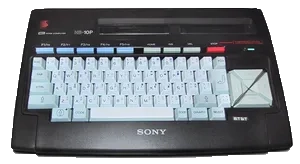
Year: 1983
Generation: 8-bit platform
Producer: Microsoft in collaboration with Yamaha
Launch Year: 1983
Discontinued: 1995
Units Sold: 10 million units
Top Game: Metal Gear
Price at Launch: $300 to $600
Country of Origin: Japan
CPU: Zilog Z80
RAM: 16 KB
Devices / Peripherals: Cassette,Floppy disk,
1. What Was the MSX?
The MSX was a standardized 8-bit home computer architecture announced by Microsoft and ASCII Corporation in 1983. Rather than a single machine, MSX was a shared platform produced by various manufacturers including Sony, Panasonic, Philips, Toshiba, and Yamaha. It aimed to unify the Japanese and global home computing market under one hardware/software ecosystem.
The MSX became a massive hit in Japan, the Middle East, South America, and parts of Europe, and is remembered today for its deep influence on gaming and programming culture.
2. Key Features of the MSX
- Zilog Z80 CPU: ran at 3.58 MHz, typical of the 8-bit era, but backed by solid graphics and sound chips.
- Video Display Processor (VDP): supported sprites, hardware scrolling, and a wide color palette.
- PSG audio: 3-channel sound for music and effects; later models added FM sound chips.
- Cartridge-based software: MSX used ROM carts, floppy disks, and cassette tapes for software distribution.
- Multiple versions: included MSX, MSX2, MSX2+, and MSX Turbo R with upgraded hardware and performance.
3. Gaming and Cultural Impact
- Hideo Kojima’s debut: Metal Gear was born on MSX, along with Snatcher.
- Konami dominance: MSX was a major platform for early Konami titles and arcade ports.
- Homebrew haven: even today, developers create games and tools for the platform.
4. Legacy and Modern Revival
The MSX platform influenced computing in education, business, and gaming for decades. Thanks to its openness and wide adoption, it remains beloved among retro fans, especially in Japan, Brazil, and Europe.
- Active emulation: platforms like openMSX and RuMSX keep MSX software alive.
- MSX3 revival: a modern reboot of the MSX standard is in development.
- Global collector base: MSX hardware, games, and fan-made titles are highly prized worldwide.
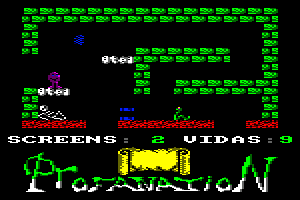
GAMES MSX


© 2026 Don't think about what you see, but create what you imagine.