

DB Version: 1.0.1 - Last Update: 23/09/2025
Master System Games
Master System
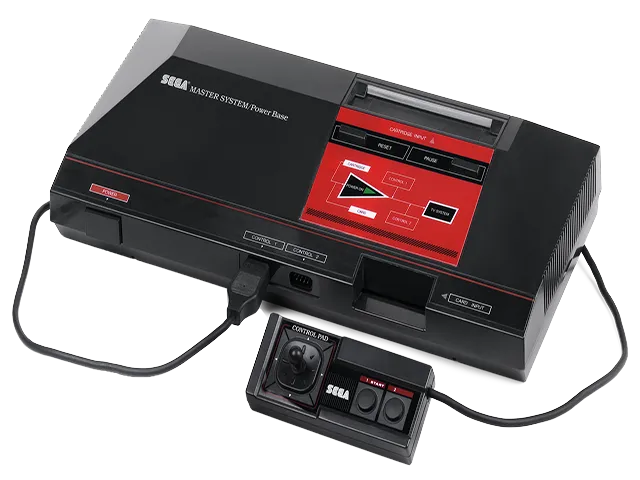
Year: 1985
Generation: Third
Producer: SEGA and Tectoy
Launch Year: 1985
Discontinued: 1992
Units Sold: 13-14 million units
Top Game: Phantasy Star
Price at Launch: $199.99
Country of Origin: United States
CPU: NEC µPD780C
RAM: 8 KB
Devices / Peripherals: Light Phaser
1. What Was the SEGA Master System?
The SEGA Master System was an 8-bit home console released in 1985 (Japan) and 1986 (worldwide) as SEGA’s answer to the Nintendo Entertainment System (NES). While it struggled in Japan and North America, it found huge success in Europe, Brazil, and parts of Asia, becoming a cornerstone of retro gaming history.
Known for its sharper visuals and arcade-style gameplay, the Master System helped establish SEGA as a major player in the home console wars.
2. Key Features of the Master System
- Zilog Z80 CPU: clocked at 3.58 MHz, offering smooth and responsive gameplay.
- Graphics and sound: capable of displaying 32 colors on screen with FM audio support in Japanese models.
- Cartridge and card slots: supported ROM cartridges and SEGA’s My Card format for smaller games.
- Optional 3D Glasses: provided stereoscopic effects with compatible titles.
- Built-in games: some models featured games like Hang-On or Alex Kidd in Miracle World pre-installed.
3. Game Library and Highlights
- Standout games: Sonic the Hedgehog, Wonder Boy, Phantasy Star, Shinobi, Alex Kidd.
- Arcade-style gameplay: emphasized fast action, platformers, and shooters.
- Strong third-party presence: titles from Compile, Tectoy, and others broadened the library.
4. Legacy and Regional Dominance
Though overshadowed by the NES in some regions, the Master System thrived in others—especially Brazil, where it remained in production well into the 2000s. It laid the foundation for SEGA’s success with the Genesis/Mega Drive.
- Enduring legacy: remembered for clean visuals, solid ports, and hidden gems.
- Tectoy in Brazil: localized and kept the system alive with unique games and hardware.
- Modern revival: games and emulation keep the Master System alive for a new generation of players.
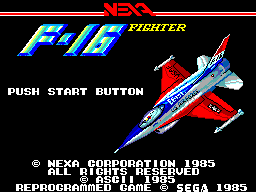
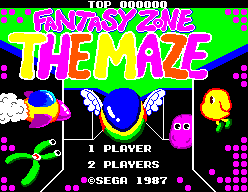
GAMES MASTER SYSTEM





© 2026 Don't think about what you see, but create what you imagine.