

DB Version: 1.0.1 - Last Update: 23/09/2025
Dos Games
Dos
1. What Was MS-DOS?
MS-DOS (Microsoft Disk Operating System) was a command-line operating system developed by Microsoft and launched in 1981. It became the standard OS for IBM-compatible personal computers throughout the 1980s and early 1990s, laying the foundation for modern PC computing.
MS-DOS offered a low-level interface that allowed users to control the computer directly, manage files, run software, and launch games using typed commands—long before graphical interfaces became standard.
2. Key Features of MS-DOS
- Text-based interface: operated entirely through typed commands and batch files.
- FAT file system: supported floppy disks and hard drives using FAT12, FAT16, and later FAT32.
- Lightweight: ran on very limited hardware—perfect for early PCs with 640KB RAM or less.
- Batch scripting: automated tasks via .BAT files and command chains.
- Direct hardware access: enabled developers to create fast, low-level software and games.
3. Software and Gaming on DOS
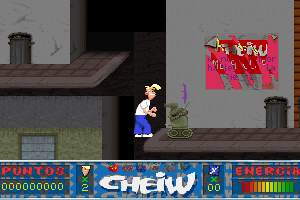
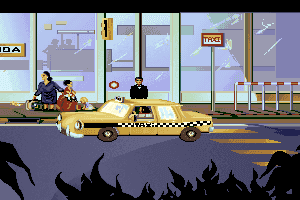
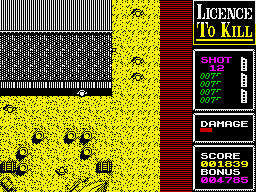
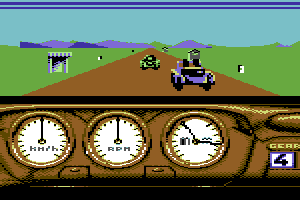
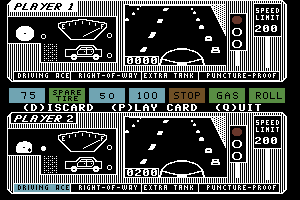
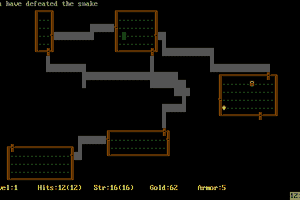
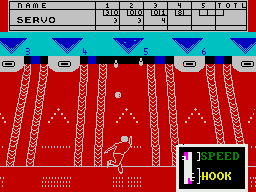
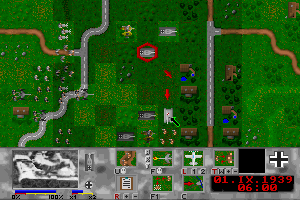
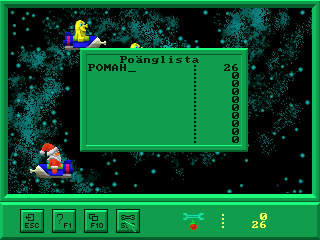
- Vast game library: home to classics like Doom, Prince of Persia, Commander Keen, and Monkey Island.
- Productivity tools: ran word processors, spreadsheets, and early database software.
- Developer-friendly: empowered coders with low-level access and flexible programming environments.
4. Legacy and Modern Use
MS-DOS shaped the early PC era and influenced the design of Windows, Linux shells, and modern scripting environments. Though phased out with Windows 95+, it remains beloved by retro computing enthusiasts and still used in embedded systems and tech education.
- Still runs: MS-DOS 6.22 and FreeDOS remain usable on vintage hardware and virtual machines.
- Essential to PC history: key to IBM PC dominance in business and gaming.
- Retro rebirth: DOS games are preserved through emulators like DOSBox and are widely re-released.
GAMES DOS


© 2026 Don't think about what you see, but create what you imagine.