

DB Version: 1.0.1 - Last Update: 23/09/2025
CD-i Games
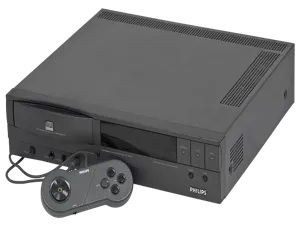
CD-i
Year: Fourth
Generation: Fourth
Launch Year: 1991
Discontinued: 1998
Units Sold: 1 million units
Top Game: The 7th Guest
Price at Launch: $700
Country of Origin: Netherlands
CPU: Philips SCC68070 a 15,5 MHz
RAM: 1 MB
Devices / Peripherals: Gamepad,Remote Control
1. What Was the Philips CD-i?
The Philips CD-i (Compact Disc Interactive) was a multimedia home entertainment system released in 1991. Developed by Philips, it was not just a game console, but a platform intended for movies, music, education, and interactive content—an early vision of what we now call media centers.
Marketed as a high-tech alternative to traditional consoles, the CD-i aimed to merge computing, entertainment, and learning into one sleek device—but its identity crisis ultimately led to its downfall.
2. Key Features of the CD-i
- CD-ROM based: used compact discs to store multimedia content, games, and full-motion video.
- Multimedia system: designed to play music CDs, video CDs, digital encyclopedias, and interactive games.
- Remote-style controller: many models shipped with a TV-style remote, which made gaming awkward.
- Upgradeable hardware: models included digital video cartridges to improve FMV playback.
- Used in education and kiosks: adopted for training programs and public information systems.
3. Infamous Game Library
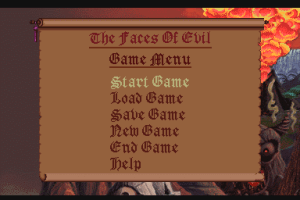
- Notorious Zelda games: Link: The Faces of Evil and Zelda: The Wand of Gamelon became infamous for poor quality.
- Mixed content: titles ranged from FMV games like Mad Dog McCree to edutainment like Hotel Mario.
- Limited third-party support: few major developers embraced the platform.
4. Legacy and Internet Fame
Though a commercial failure, the CD-i gained a cult following—largely because of its awkward licensed games and overambitious design. Today, it's remembered as a fascinating footnote in gaming history and a meme legend thanks to its bizarre cutscenes and infamous titles.
- Cult classic: loved by retro collectors and meme culture fans alike.
- Rare hardware: complete CD-i units with original accessories are now highly collectible.
- Preserved in emulation: the CD-i library has been revived through open-source emulators and online archives.
GAMES CD-I





© 2026 Don't think about what you see, but create what you imagine.