

DB Version: 1.0.1 - Last Update: 23/09/2025
Atari St Games
Atari St
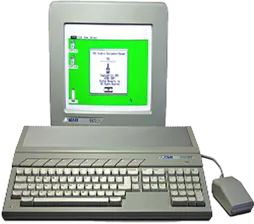
Year: 1985
Producer: Atari Corporation
Launch Year: 1985
Discontinued: 1993
Units Sold: 2 to 3 million units
Top Game: The Last Ninja
Price at Launch: $799
Country of Origin: United States
CPU: Motorola 68000
RAM: 512 kB
Devices / Peripherals: Floppy Disks,Hard Drives,Mouse,Keyboard,Joystick
1. What Was the Atari ST?
The Atari ST was a line of 16/32-bit personal computers introduced by Atari in 1985. The “ST” stood for “Sixteen/Thirty-two,” referencing its 16-bit external bus and 32-bit internal architecture. It was Atari’s answer to the Apple Macintosh and Commodore Amiga, positioned as a powerful but affordable system for home and professional users.
Quick to market and competitively priced, the Atari ST gained popularity in Europe and among musicians, programmers, and desktop publishers alike.
2. Key Features of the Atari ST
- M68000 processor: Motorola 16/32-bit CPU clocked at 8 MHz for solid multitasking and speed.
- Built-in MIDI ports: a dream for musicians and the reason the ST became a studio standard in the '80s and '90s.
- Graphics and GUI: used GEM Desktop (Graphical Environment Manager) with mouse and windows interface.
- Color and monochrome output: compatible with both high-res mono monitors and color CRTs.
- Integrated design: included keyboard, OS in ROM, and ports all in one unit.
3. Strengths in the Market
- Music production: used by pros like Fatboy Slim, Depeche Mode, and countless bedroom producers.
- DTP and graphics: widely used for page layout and design in Europe.
- Gaming platform: home to many classic titles like Dungeon Master, Speedball 2, and Xenon II.
4. Long-Term Impact
The Atari ST helped define creative computing for a generation. Though it was eventually overtaken by the PC and Mac, its legacy in music, graphics, and European gaming lives on.
- Active fanbase: still strong in demo scenes and retro music communities.
- Modern clones: FPGA-based and emulated systems recreate the ST experience today.
- Cultural icon: fondly remembered for its distinctive startup sound and sleek design.
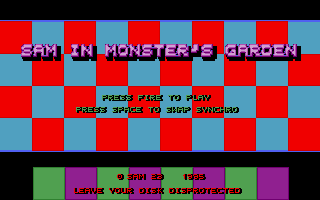
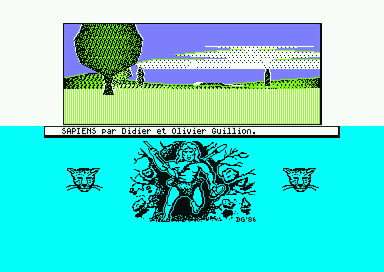
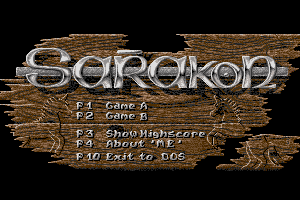
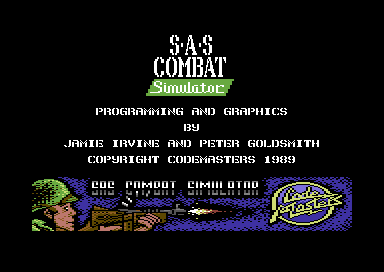
GAMES ATARI ST



© 2026 Don't think about what you see, but create what you imagine.