

DB Version: 1.0.1 - Last Update: 23/09/2025
Apple 2 Gs Games
Apple 2 Gs
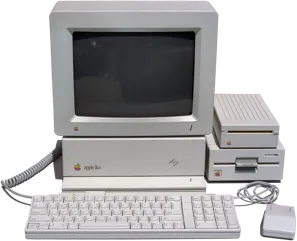
Year: 1986
Producer: Apple
Launch Year: 1986
Discontinued: 1993
Units Sold: 6 million units
Top Game: King's Quest V: Absence Makes the Heart Go Yonder!
Price at Launch: $999
Country of Origin: United States
CPU: WDC 65C816
RAM: 256 KB/1 MB
Devices / Peripherals: Floppy Disk,Printers,Monitors and TVs
1. What Was the Apple IIGS?
The Apple IIGS, released in 1986, was the most powerful and advanced member of the Apple II family. The “GS” stood for “Graphics” and “Sound,” and the machine lived up to its name by introducing modern multimedia capabilities while remaining backward compatible with previous Apple II software.
Designed to compete with 16-bit systems like the Commodore Amiga and Atari ST, the Apple IIGS marked Apple’s attempt to evolve its popular line without fully committing to the Macintosh platform.
2. Key Features of the IIGS
- 16-bit architecture: powered by the Western Design Center 65C816 processor.
- Enhanced graphics: supported a 640x200 resolution and up to 4,096 colors.
- Superior sound: featured an Ensoniq 5503 digital oscillator chip used in professional synthesizers.
- GUI-based OS: ran GS/OS with mouse-driven interface similar to Macintosh.
- Backward compatibility: ran nearly all Apple IIe software and supported existing peripherals.
3. Market Position and Challenges
- Split focus: Apple promoted both the IIGS and the Macintosh, confusing consumers and developers.
- Late arrival: entered the market after Amiga and ST had already established user bases.
- Software divide: relatively few programs took full advantage of the IIGS's advanced features.
4. Legacy and Enthusiast Appeal
Despite its commercial struggles, the Apple IIGS is fondly remembered for its unique position in the Apple lineup—blending Apple II legacy with forward-thinking features. It became a cult favorite among retro computing fans.
- Music and art capabilities: ideal for MIDI composition, digital art, and demo scene productions.
- Educational use: remained in classrooms thanks to its compatibility with Apple II software.
- Preservation: actively emulated and maintained by the retro Apple community today.
GAMES APPLE 2 GS
Nothing Found
Sorry, but nothing matched your criteria. Please try again.
© 2026 Don't think about what you see, but create what you imagine.