

DB Version: 1.0.1 - Last Update: 23/09/2025
Apple 2 Games
Apple 2
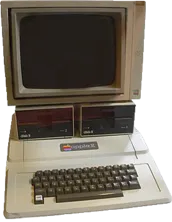
Year: 1977
Producer: Apple Computer
Launch Year: 1977
Discontinued: 1993
Units Sold: 2 million units
Top Game: Mystery House (1980)
Price at Launch: $1,298
Country of Origin: United States
CPU: MOS 6502
RAM: 4, 8, 12, 16, 20, 24, 32, 36 or 48 KB (depending on versions)
Devices / Peripherals: Floppy Disk,Printers,Monitors and TVs
1. What Was the Apple II?
The Apple II, launched in 1977 by Apple Computer, was one of the first highly successful mass-produced microcomputers. Designed by Steve Wozniak and marketed by Steve Jobs, it played a foundational role in the personal computing revolution of the late 1970s and early 1980s.
Its user-friendly design, open architecture, and versatility made it a favorite among educators, hobbyists, and businesses alike. The Apple II series eventually became a staple in schools and homes across the United States and beyond.
2. Key Features of the Apple II
- Open architecture: expandable with cards for memory, graphics, networking, and more.
- Color graphics: one of the first personal computers to support color displays.
- Built-in BASIC: allowed users to program directly from startup.
- Floppy disk support: introduced with the Disk II, making software distribution easier.
- Strong software library: thousands of educational, business, and entertainment titles.
3. Educational and Cultural Impact
- Dominated U.S. classrooms: especially with support from educational initiatives in the 1980s.
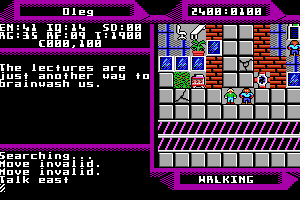
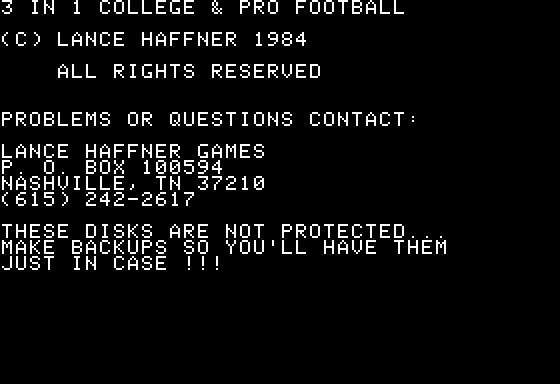
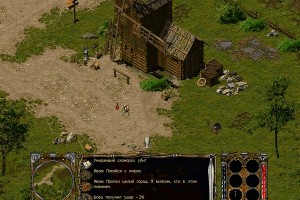
- Early gaming platform: home to classics like Oregon Trail, Lode Runner, and Choplifter.
- Inspiration for generations: introduced millions to programming and digital creativity.
4. Lasting Legacy
The Apple II remained in production for over 15 years, evolving through several models including the II+, IIe, and IIGS. It laid the groundwork for future Apple products and inspired countless users to explore technology for the first time.
- Collector's favorite: original models are now iconic pieces of computing history.
- Still emulated today: with a passionate retro user base and active preservation efforts.
- Historical significance: regarded as one of the most important computers ever made.
GAMES APPLE 2



© 2026 Don't think about what you see, but create what you imagine.