

DB Version: 1.0.1 - Last Update: 23/09/2025
Amstradc Pc Games
Amstradc Pc
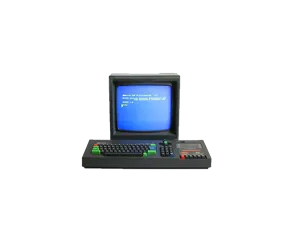
Year: 1984
Producer: Amstrad
Launch Year: 1984
Discontinued: 1990
Units Sold: 3 million units
Top Game: Monkey Island series
Price at Launch: £600-700
Country of Origin: United Kingdom
CPU: Zilog Z80A
RAM: 64 KB
Devices / Peripherals: Floppy Disk,Printers,Monitors and TVs
1. What Was the Amstrad CPC?
The Amstrad CPC (Colour Personal Computer) was a line of 8-bit home computers developed by Amstrad in the mid-1980s. Designed to compete directly with the Commodore 64 and ZX Spectrum, the CPC became especially popular in Europe, particularly in the UK, France, and Spain.
Launched in 1984, the Amstrad CPC line offered a complete, all-in-one solution that included the computer, a built-in tape or disk drive, and a dedicated monitor. This plug-and-play approach made it accessible to beginners and appealing to families and schools.
2. Key Features of the CPC
- All-in-one design: came with its own monitor and integrated storage (cassette or floppy drive).
- Multiple graphics modes: supported up to 16 colors in lower resolution and 2 in higher resolution modes.
- Sound capabilities: 3-channel audio powered by the AY-3-8912 sound chip.
- Software library: included thousands of titles ranging from arcade ports to educational tools.
- Keyboard layout: ergonomic and reliable, suitable for both gaming and productivity.
3. Competitive Advantages
- Affordable and complete: unlike rivals, the CPC was sold with everything needed to start computing.
- European market focus: localized versions and strong distribution helped it dominate in many countries.
- Robust build: durable hardware that outlasted many competitors in schools and homes.
4. Legacy and Revival
The Amstrad CPC remains a beloved retro platform, thanks to its clean architecture and rich library of games. Enthusiasts continue to create new software, demos, and even hardware mods to this day.
- Active retro scene: modern devs still code for CPC via cross-compilers and emulators.
- Preservation efforts: online archives keep thousands of CPC titles alive.
- Lasting appeal: remembered as one of the most user-friendly and fun 8-bit systems of the era.
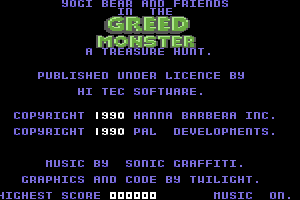
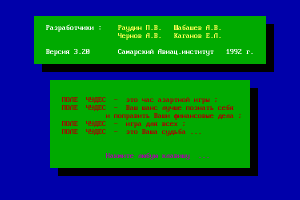
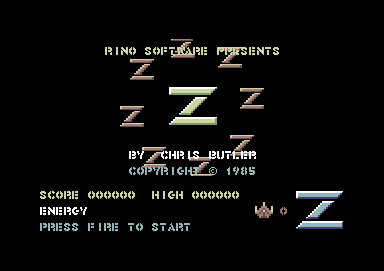
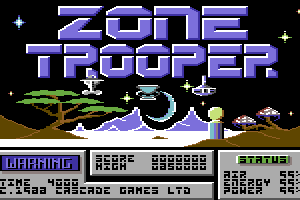
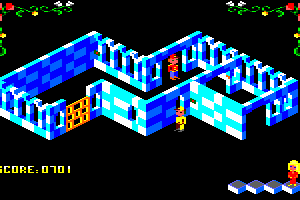
GAMES AMSTRADC PC

© 2026 Don't think about what you see, but create what you imagine.