

DB Version: 1.0.1 - Last Update: 23/09/2025
Acorn32 Games
Acorn32

Year: 1987
Generation: 8-bit Generation
Producer: Acorn Computers
Launch Year: 1987
Discontinued: 1998
Units Sold: 200,000 units
Top Game: Elite
Price at Launch: £235
Country of Origin: United Kingdom
CPU: MOS Technology 6502A
RAM: 32 kB
Devices / Peripherals: Expansion Cards,Printers,Cassette Tapes,Cartridges,Floppy Disk Drives,Joysticks
1. What Was Acorn32?
Acorn32 refers to a family of 32-bit computing systems developed by Acorn Computers, a pioneering British tech company. These machines were primarily designed for educational and semi-professional use and were particularly popular in UK schools during the late 1980s and early 1990s.
The Acorn32 line included machines like the Archimedes series and the RISC PC, which were among the first to use the now-legendary ARM processors. These systems offered a unique blend of speed, graphical performance, and educational tools.
2. Key Features of the Acorn32
- 32-bit RISC architecture: groundbreaking performance for its time, laying the foundation for modern ARM processors.
- Educational software: shipped with learning tools and programming environments like BBC BASIC.
- Custom OS: ran on RISC OS, an intuitive and efficient operating system with GUI support.
- Expandable hardware: allowed for add-ons like video cards, memory expansion, and networking modules.
- High-resolution graphics: used in desktop publishing and design applications within the UK school system.
3. Why It Stood Out
- Future-proof design: introduced computing concepts that later became standard across platforms.
- Education-focused: widely adopted in classrooms, giving UK students early exposure to programming.
- Legacy in modern tech: the ARM chips born from Acorn's innovation now power billions of devices worldwide.
4. Cultural and Technological Legacy
While it never gained massive commercial success outside the UK, the Acorn32 platform had an outsized influence. It helped shape the tech literacy of an entire generation and seeded the ARM revolution that drives smartphones and tablets today.
- Used in education: remained a classroom staple well into the 1990s.
- Highly moddable: enthusiasts expanded and upgraded systems well beyond their intended use.
- Cult status: still beloved by collectors and retro computing fans in the UK.
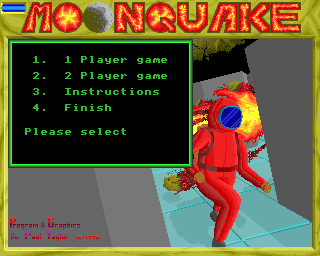
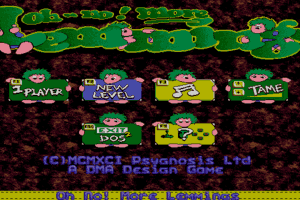
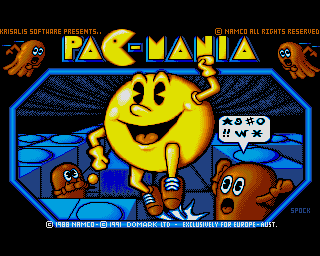
GAMES ACORN32








© 2026 Don't think about what you see, but create what you imagine.