

Historical Context & Trivia
Worms 2 (1997) is a landmark Windows artillery-strategy sequel that helped define the late-1990s PC multiplayer scene with its humorous tone, destructible arenas, and highly replayable turn-based chaos. It built directly on the popularity of the original Worms, while refining the series’ identity into a more polished and more expansive competitive experience.
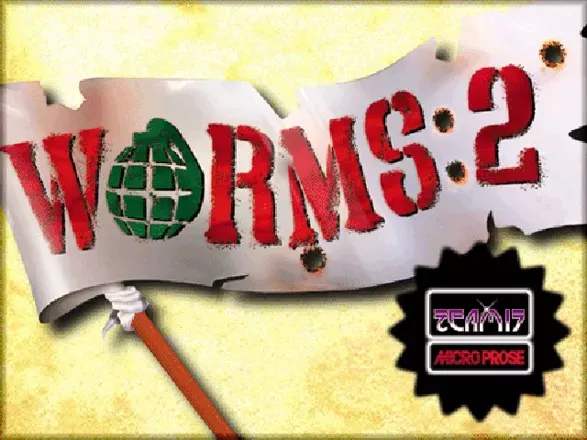
Developed by Team17 Software Limited, Worms 2 was published in different territories by MicroProse and later associated with labels including Hasbro Interactive and other regional distributors. Team17 publicly described it as a PC-focused sequel with overhauled visuals and built-in online play, which positioned it as one of the series’ key transition points from niche strategy novelty to enduring franchise staple.
Gameplay & Technical Features
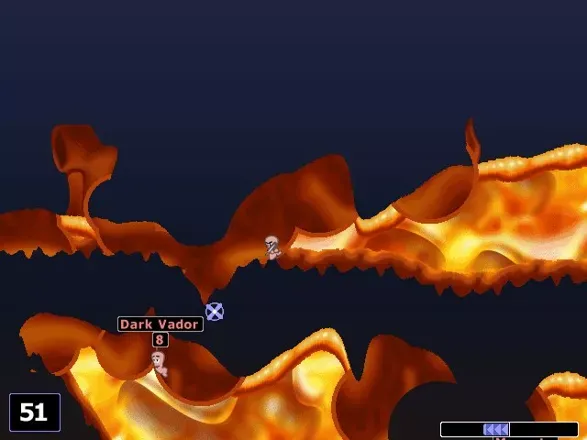
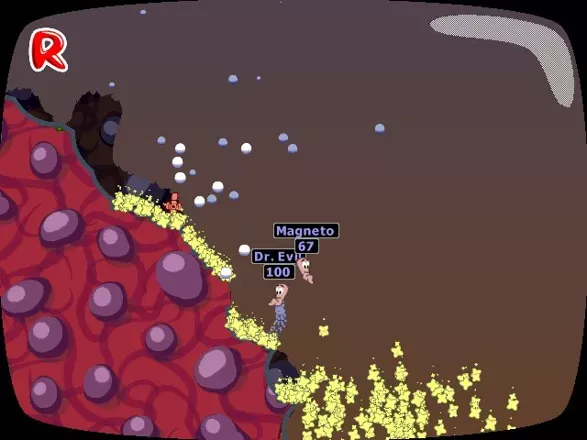
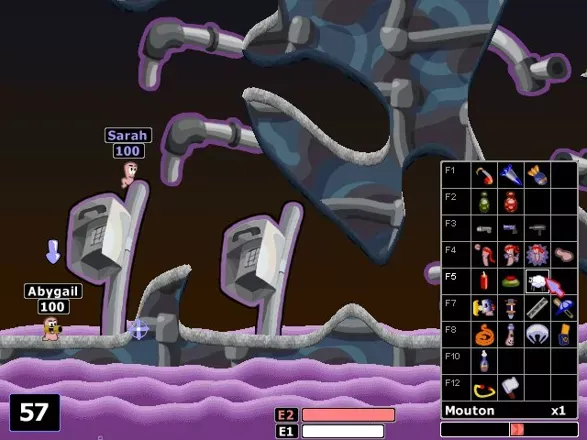
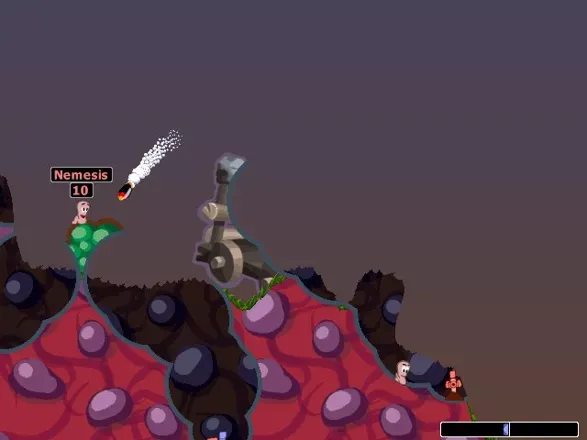
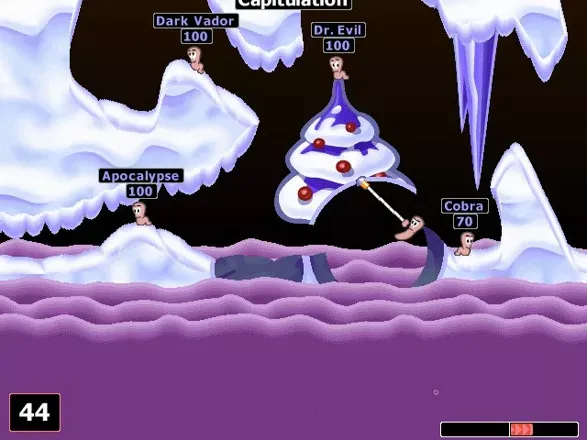
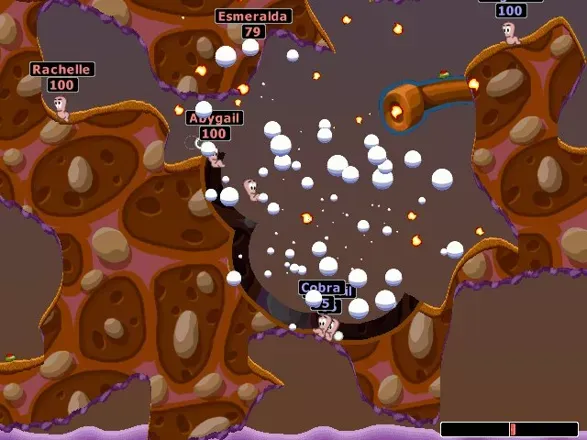
This strategy game centers on turn-based tactical combat, where small teams of worms use a large arsenal of eccentric weapons to outmaneuver and destroy opponents across deformable battlefields. The pacing rewards positioning, terrain awareness, and inventive use of explosives, with each match capable of turning into either a careful tactical duel or a comedy of accidental self-destruction.
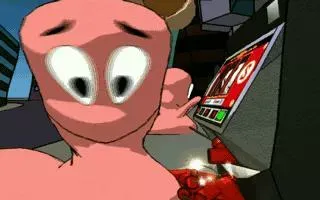
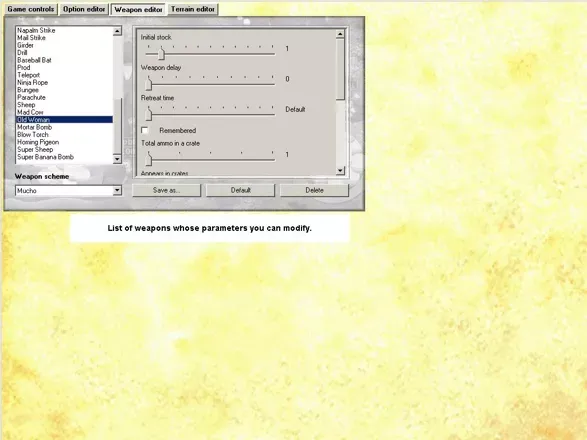
On Windows, the game emphasized a more rounded cartoon art style than its predecessor and supported PC-oriented features such as multiplayer connectivity and expanded customization. Its presentation leaned on colorful 2D visuals, exaggerated weapon effects, and the series’ signature sound design, all of which suited the late-1990s personal computer ecosystem and helped the sequel stand out as a feature-rich follow-up.
Collector’s Value & Rarity
Worms 2 is not typically considered rare in the broad retro market, but complete original PC copies with intact packaging, inserts, and discs remain more desirable than loose media because the title circulated through multiple publishers and later budget reissues. Collector interest tends to be driven more by condition, edition, and region than by absolute scarcity.
Physical variants can differ by publisher branding, distribution label, and local packaging, especially across European and North American releases. Extra materials such as manuals, registration cards, and original case art matter for preservation value, since PC retail releases from this period often changed presentation across markets even when the software build remained closely related.