

Historical Context & Trivia
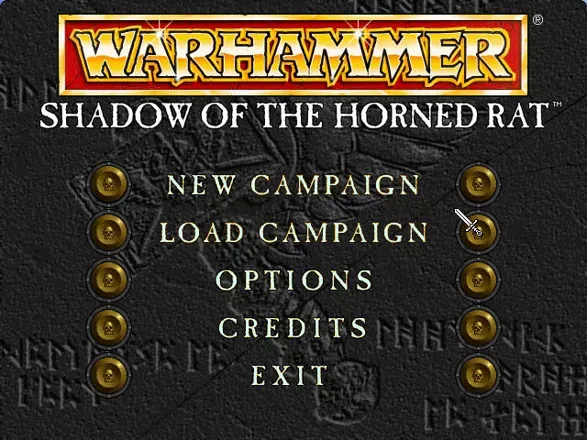
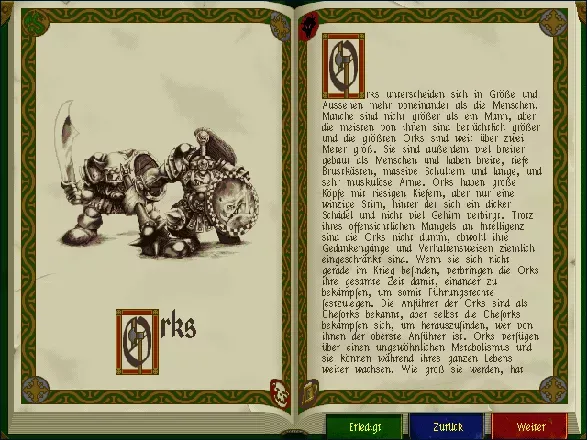
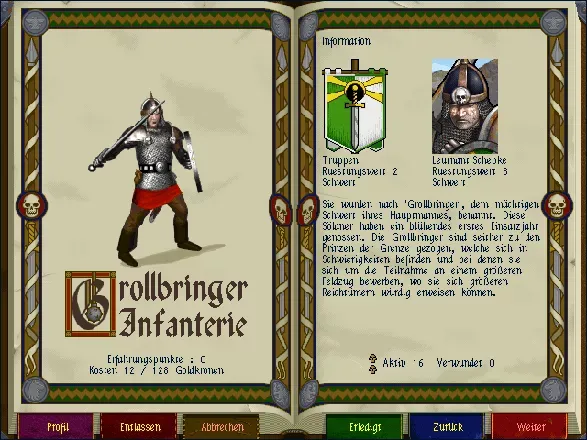
Warhammer: Shadow of the Horned Rat (1995) is a foundational Warhammer Fantasy video game and is widely recognized as the first real-time tactics title set in that universe, helping establish the franchise’s long-running presence on PC strategy shelves. It launched on Windows in November 1995 and later expanded the setting’s reach beyond the tabletop into a darker, more cinematic form of battlefield command.
The game was developed by Mindscape International Ltd., with publishing tied to Mindscape, Inc., Mindscape International Ltd., Strategic Simulations, Inc., and later digital release partners. Its historical position comes from being an early licensed adaptation that translated the Warhammer aesthetic into a commanding, squad-based tactical experience rather than a conventional RTS build-and-base formula.
Gameplay & Technical Features
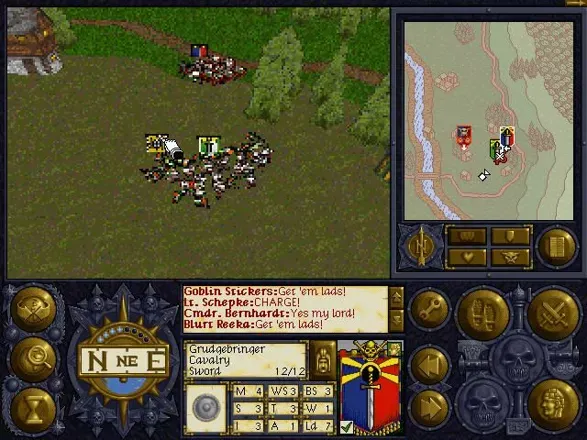
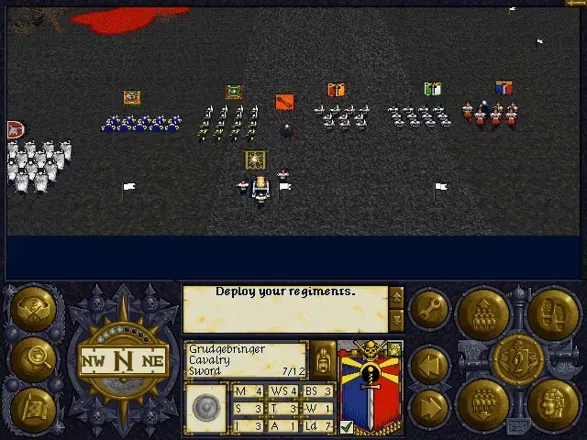
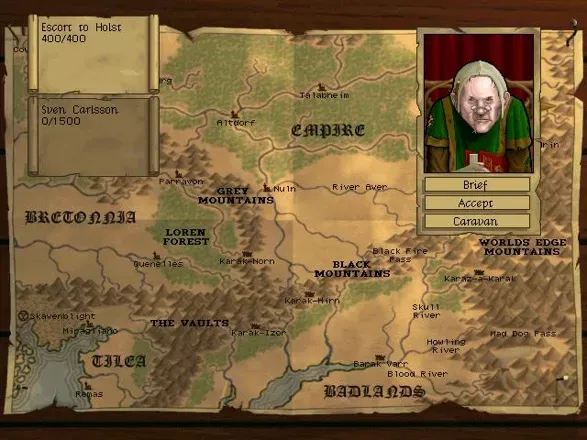
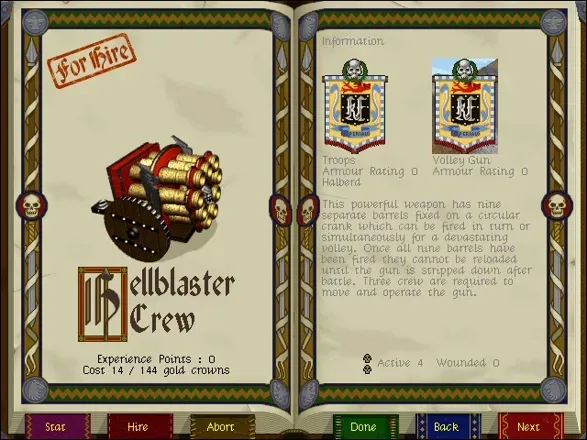
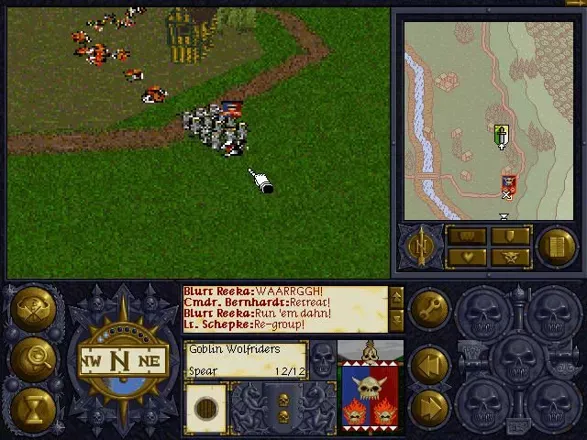
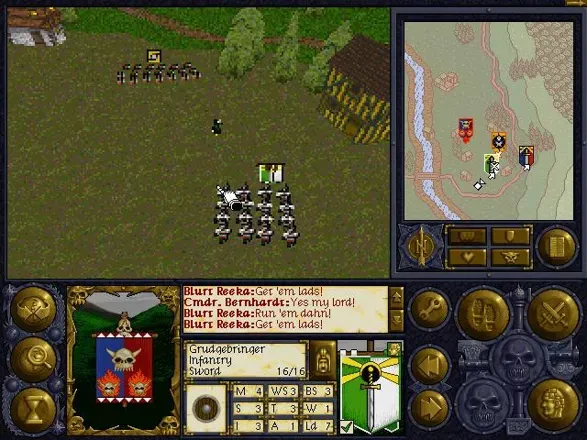
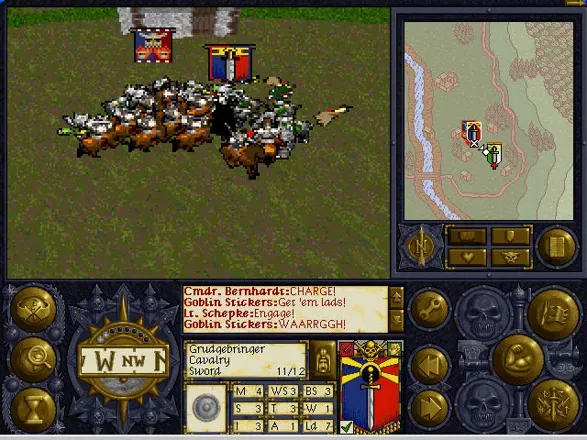
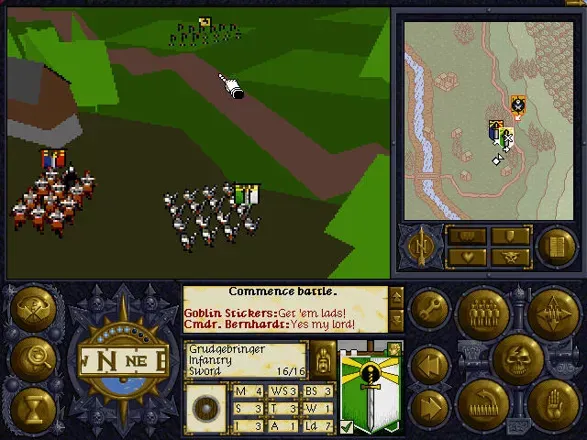
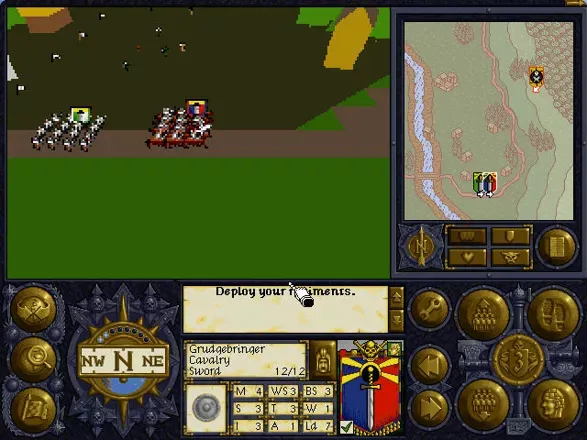
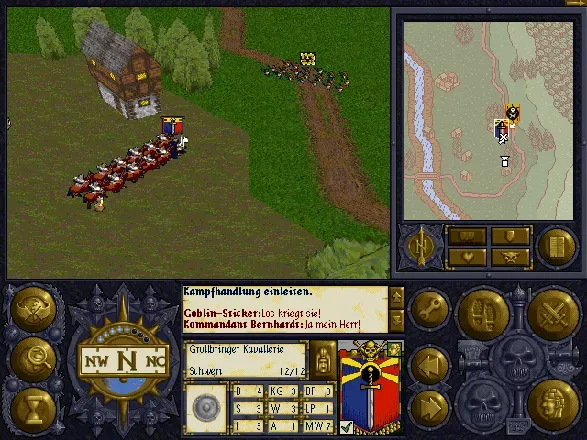
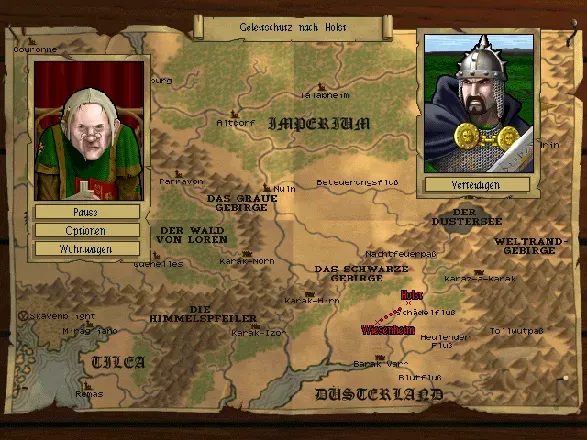
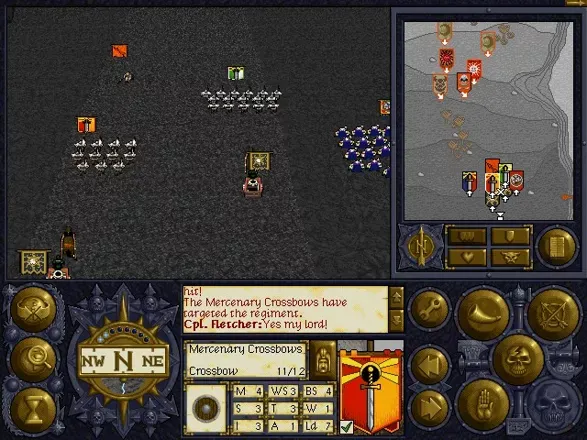
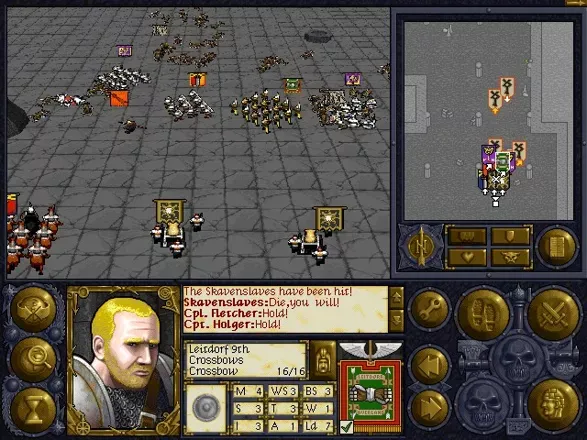
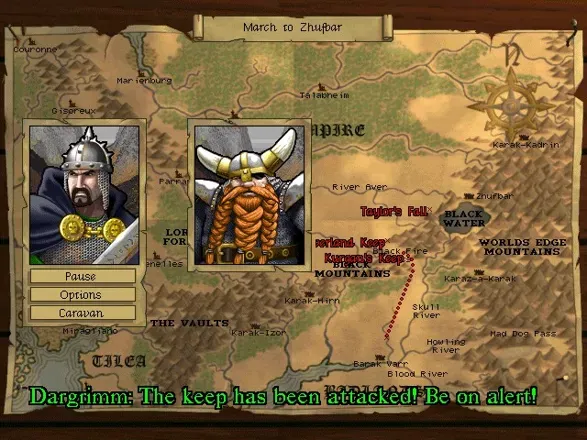
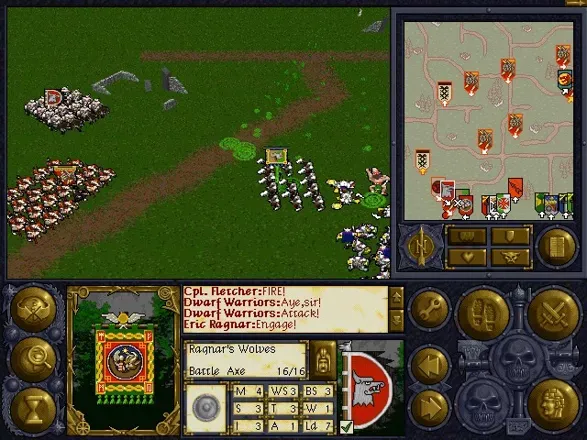
This title blends real-time tactics with fantasy battlefield management, asking players to direct units, respond to morale pressure, and exploit terrain and timing rather than rely on constant resource gathering. The structure emphasizes mission-based combat, army control, and large-scale engagements shaped by the brutality and unpredictability of the Warhammer setting.
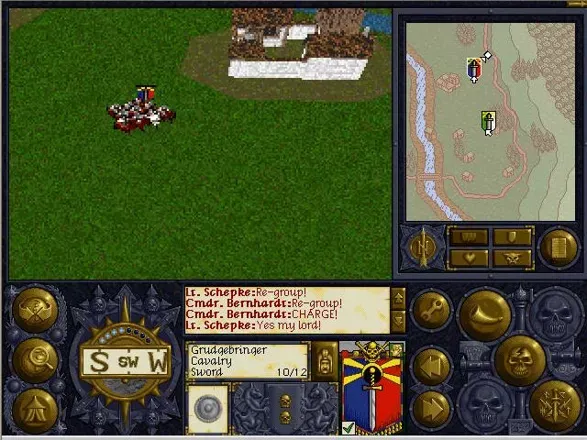
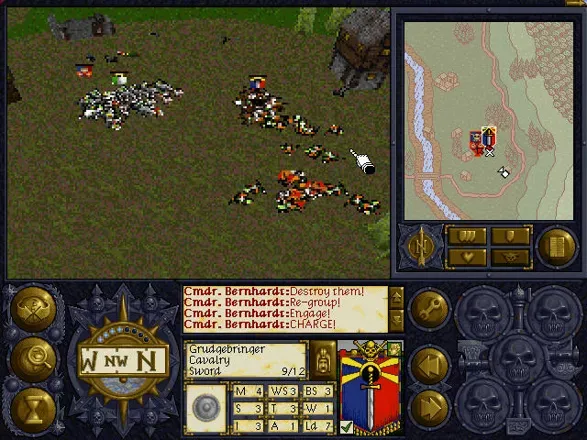
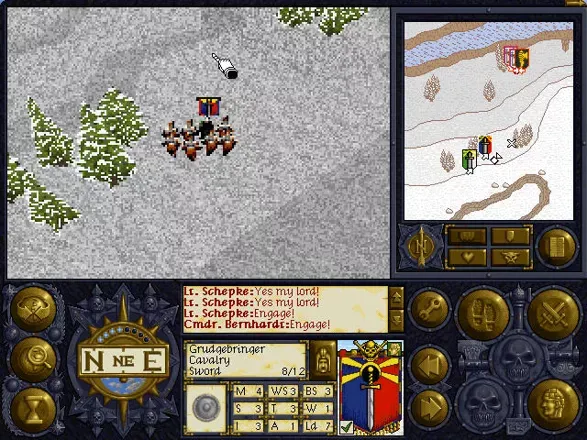
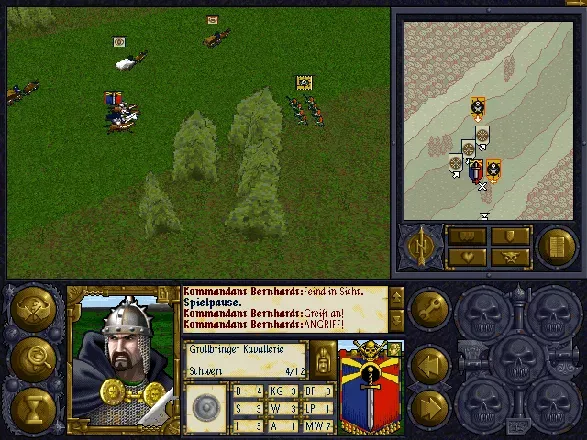
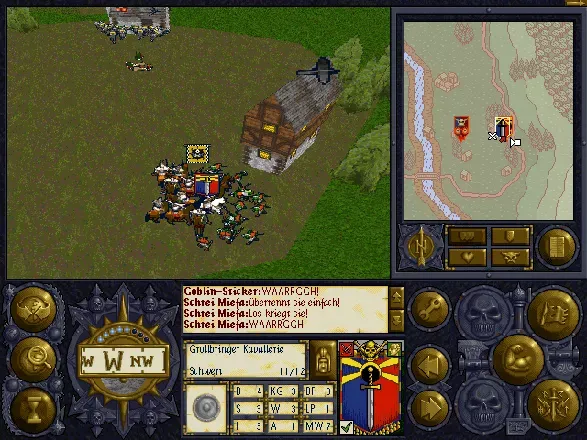
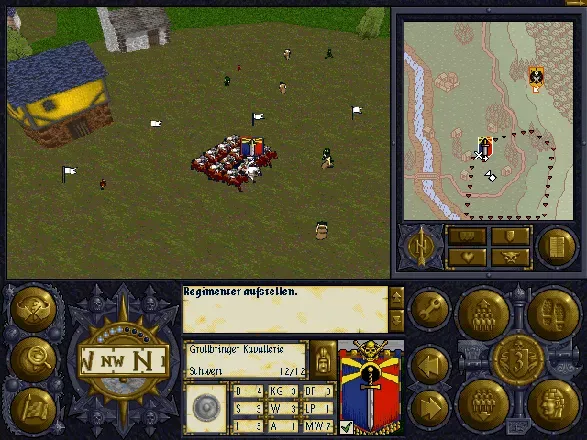
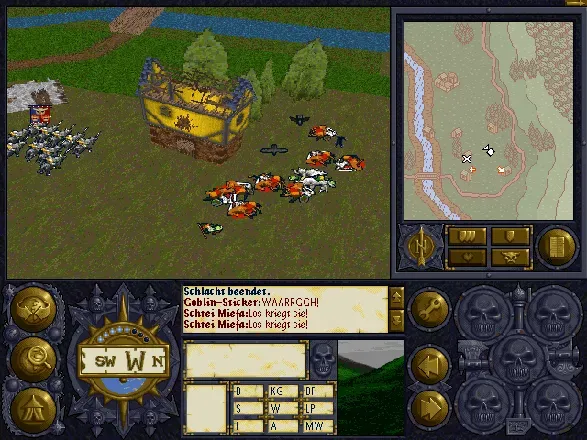
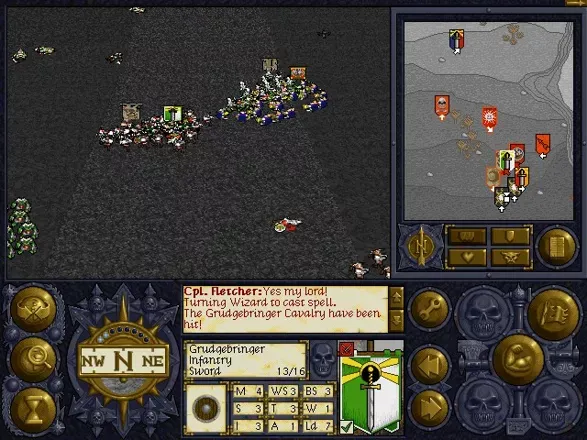
On Windows, the game reflected mid-1990s PC design through CD-ROM distribution, pre-rendered presentation, and a top-down battlefield perspective suited to mouse-driven control. Its audio-visual framework supported the grim fantasy tone with period-appropriate interfaces, atmospheric combat cues, and a technical presentation that aligned with contemporary DOS-era and early Windows strategy hardware expectations.
Collector’s Value & Rarity
Market scarcity is moderate rather than extreme: the game is old enough to interest Warhammer collectors and strategy historians, but it is not usually treated as a prohibitively rare sealed-item trophy. Preservation is helped by later digital availability and modern compatibility releases, which reduce the risk of the title disappearing even if original retail copies remain niche collectibles.
Physical releases may vary by publisher credit and regional packaging, with listing differences across Mindscape, SSI, and later reissue channels. For collectors, the most important collateral tends to be the original CD-ROM case, manual, and any regional inserts or publisher stickers that document the game’s early licensing history across multiple distribution partners.