

Historical Context & Trivia
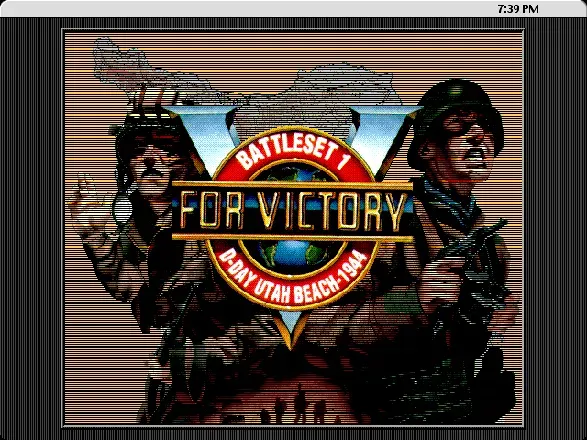
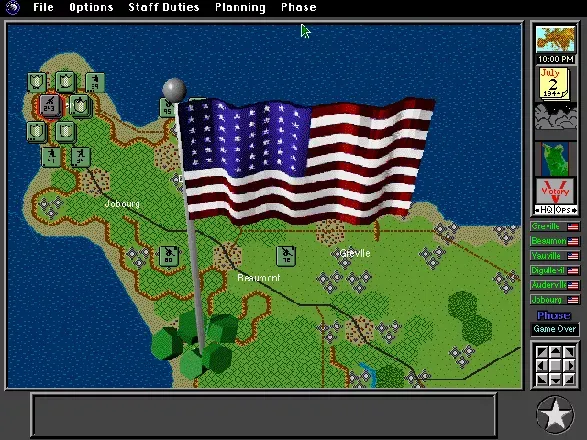
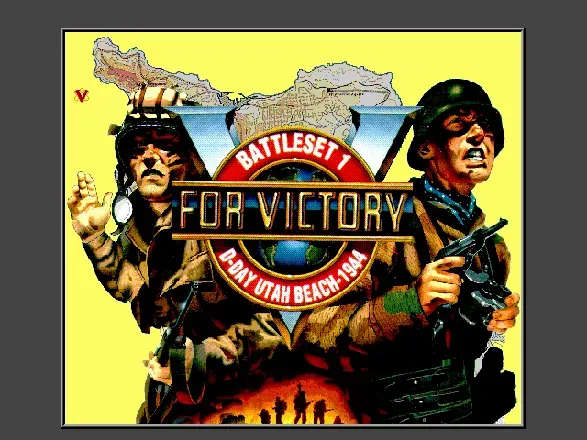
V for Victory: Battleset 1 – D-Day Utah Beach – 1944 is a 1991 World War II wargame that recreates the Normandy landings on the Utah Beach sector and the surrounding Cotentin Peninsula, placing it among the more respected computer battle simulations of its period. It was widely praised at the time and is commonly described as one of the best wargames of its era, with its success helping establish a broader V for Victory series and later related titles from the same design lineage.
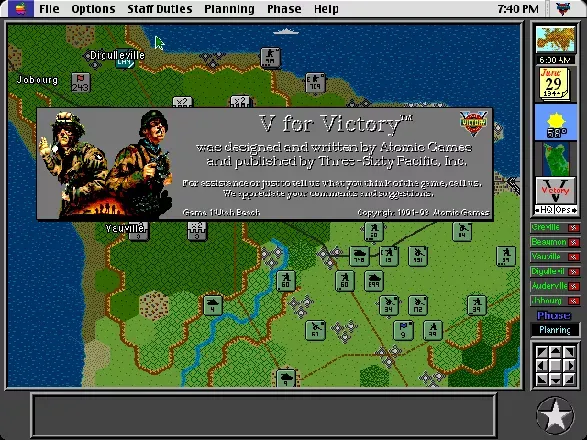
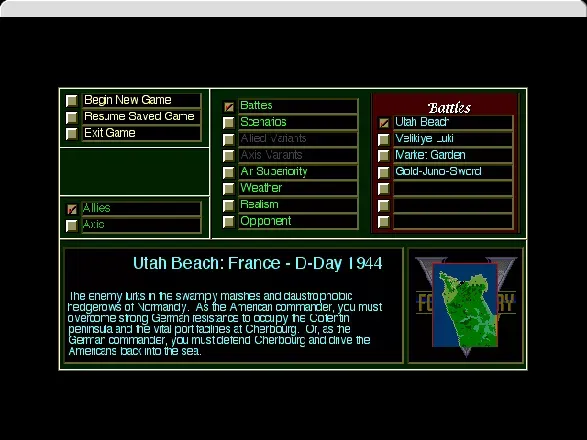
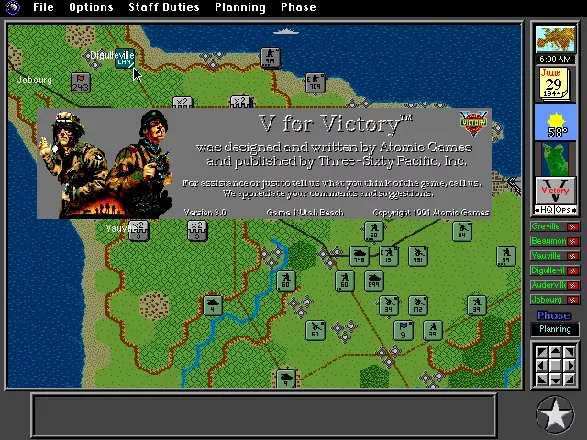
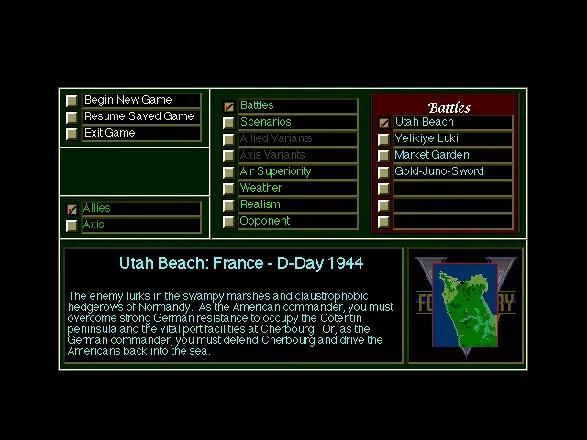
The game was developed by Atomic Games, Inc. and published by Three-Sixty Pacific, Inc., a pairing associated with early-1990s computer wargaming on DOS and Macintosh. Historical overviews of the title note that it lets the player command either the American or German side during the invasion, and that its scenario structure centers on the struggle for Utah Beach and the approach to Cherbourg.
Gameplay & Technical Features
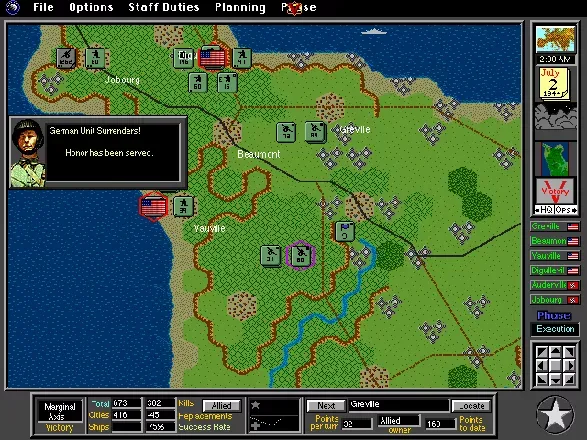
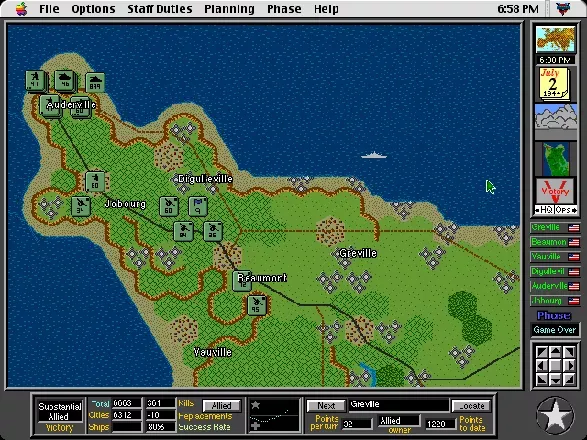
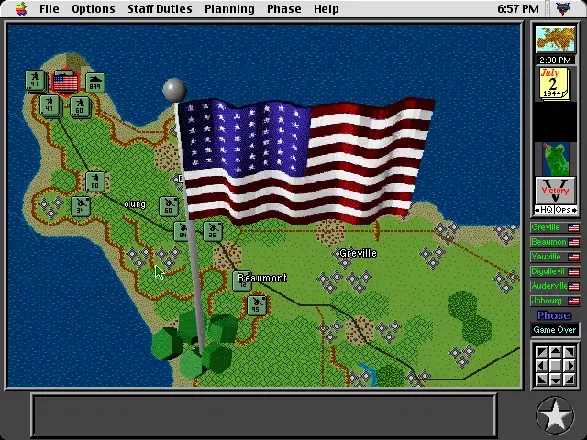
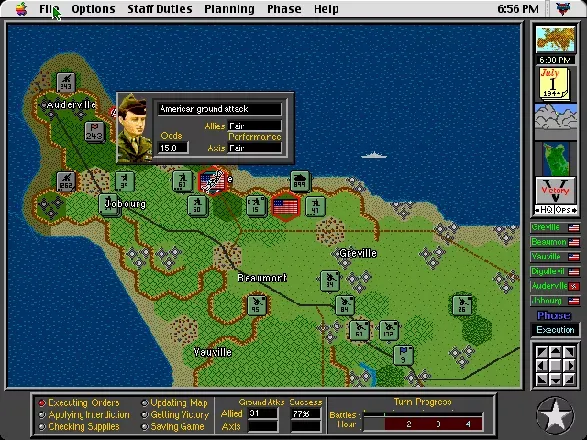
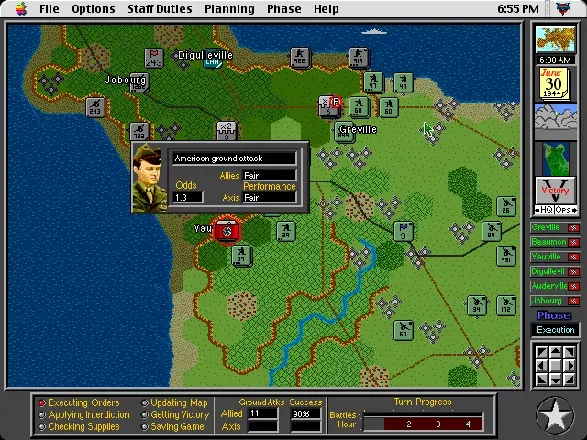
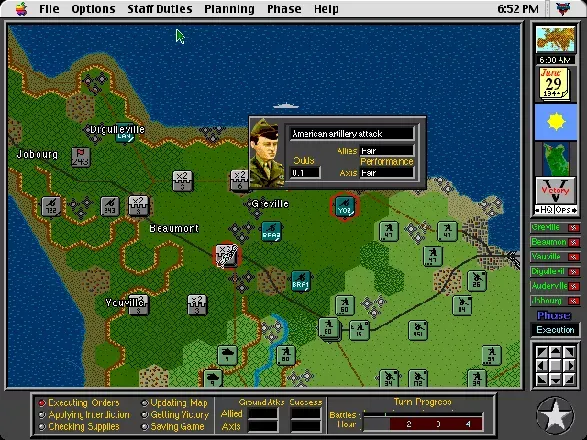
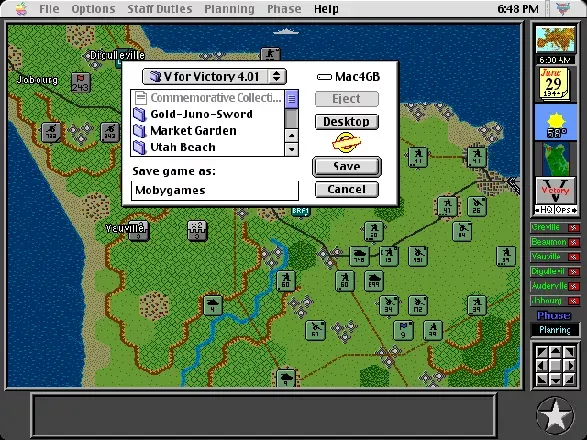
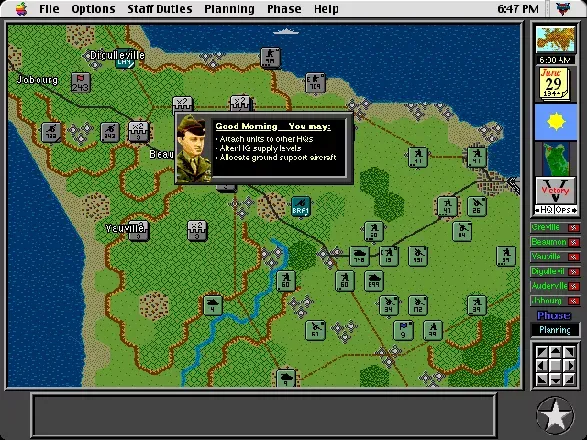
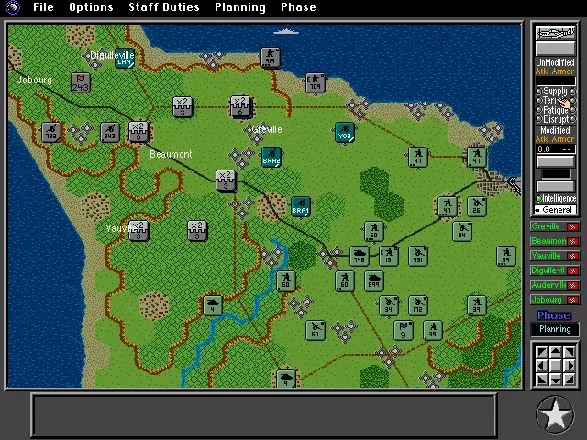
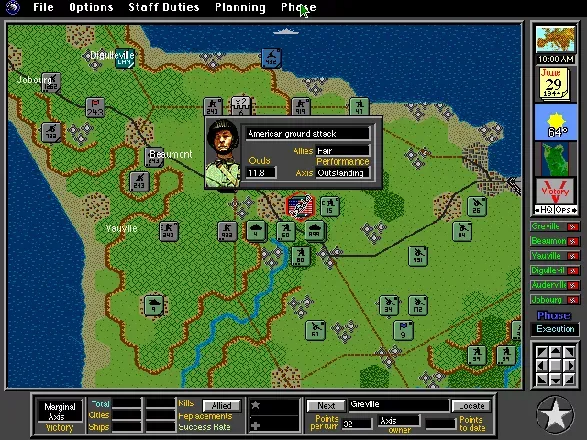
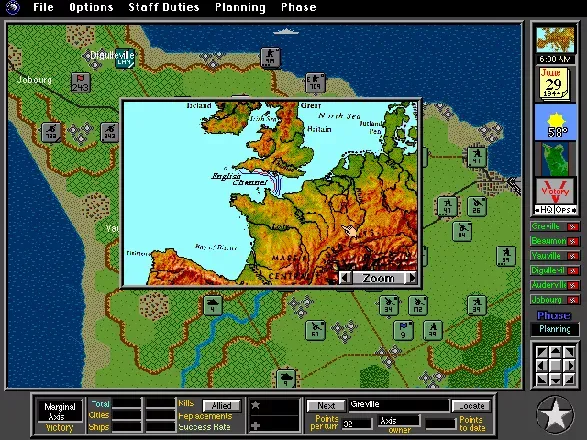
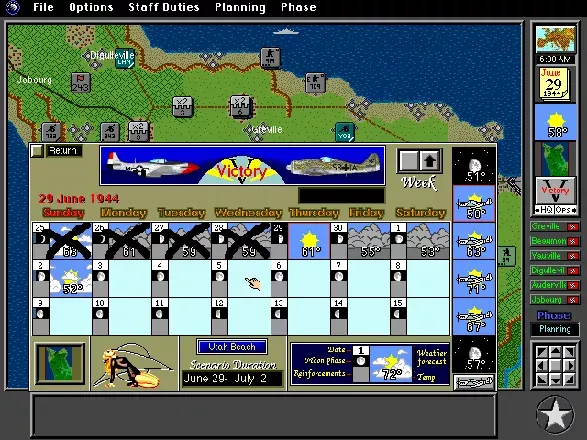
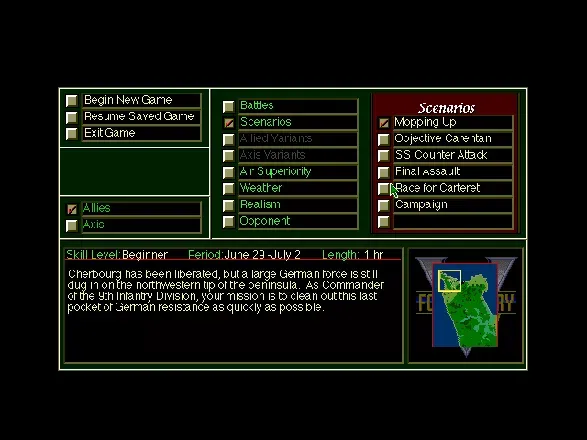
This strategy/tactics title uses turn-based operational wargame mechanics, with the player managing military units across a map-based battlefield rather than controlling individual soldiers in real time. The design emphasizes command decisions, positioning, and the unfolding of the campaign through multiple scenarios, including a full invasion-length setup and smaller engagements.
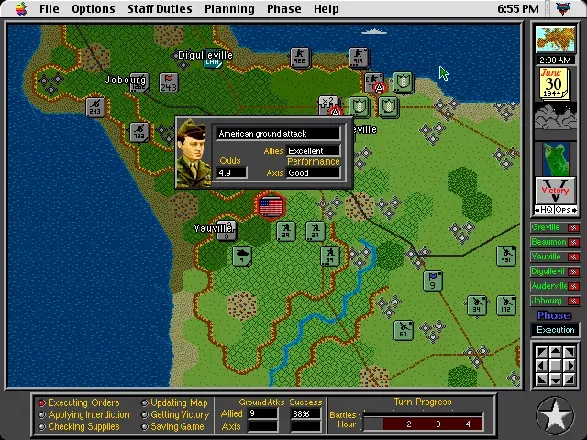
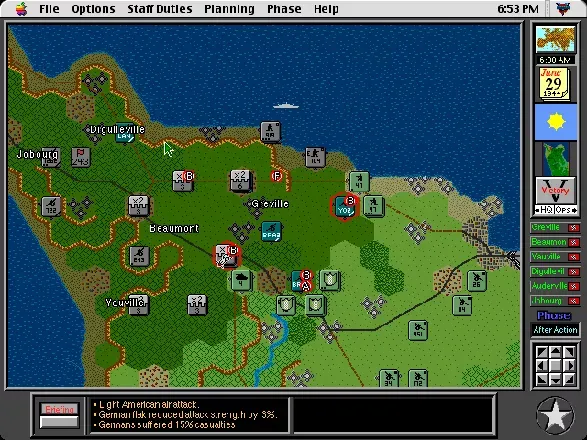
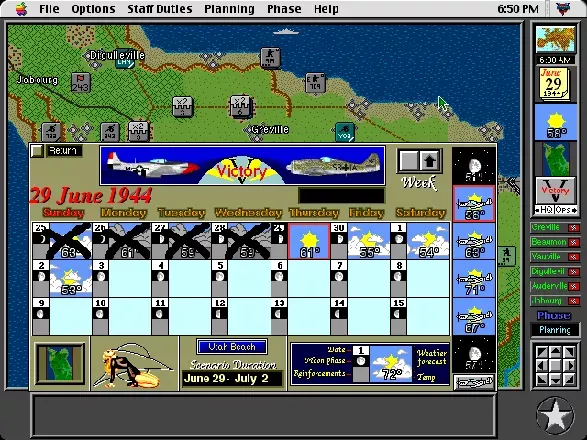
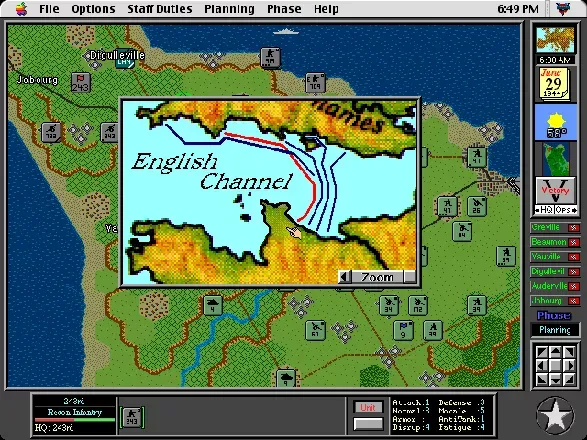
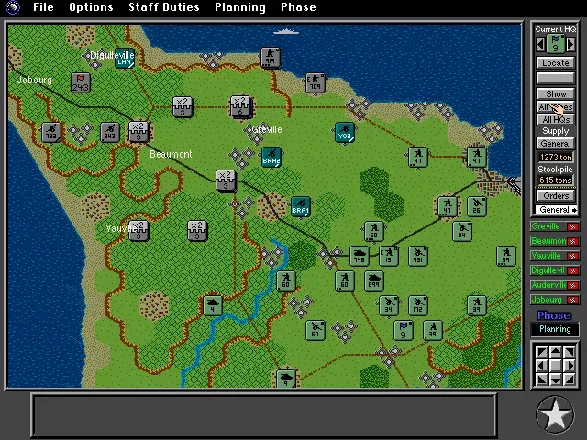
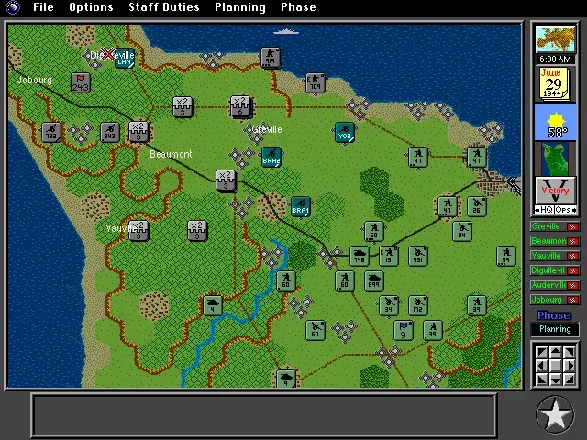
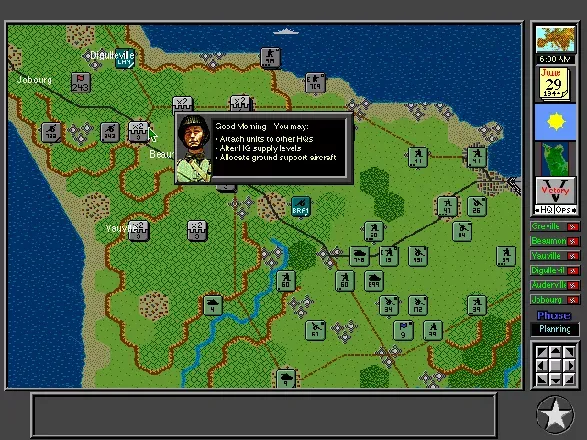
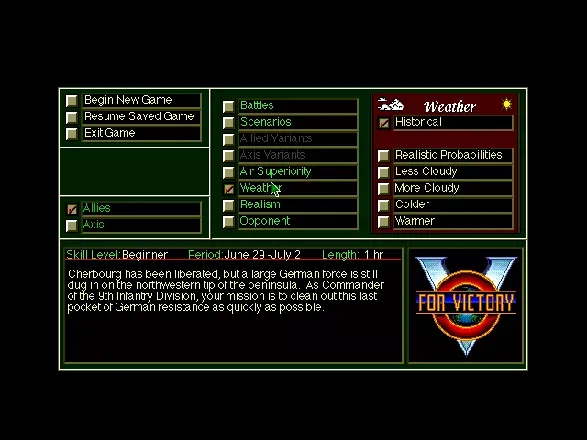
On DOS, the game was built for mouse-driven play and the standard presentation style of early-1990s PC wargames, combining top-down battlefield visualization with information-heavy interfaces suited to planning and unit management. Its technical focus was clarity of simulation rather than spectacle, reflecting the strengths of the platform for detailed historical strategy games.
Collector’s Value & Rarity
As a period DOS wargame from a specialist publisher, V for Victory: Battleset 1 – D-Day Utah Beach – 1944 has collector interest tied more to preservation and genre reputation than mass-market scarcity. Surviving copies tend to appeal most to computer-wargame collectors, especially those seeking notable Atomic Games and Three-Sixty Pacific releases from the early 1990s.
Physical editions are typically valued for complete packaging, including the original box, manual, and any inserts or reference material that supported play. Regional variants are not strongly documented in the available record, so the safest collectible distinction is completeness of the original release rather than unusual edition differences.