




Overview
The Settlers II: Veni, Vidi, Vici is a strategy game released in 1996 and developed by Blue Byte Software. It is the sequel to the original The Settlers and part of a franchise known for its emphasis on economic management and strategic planning.
Gameplay
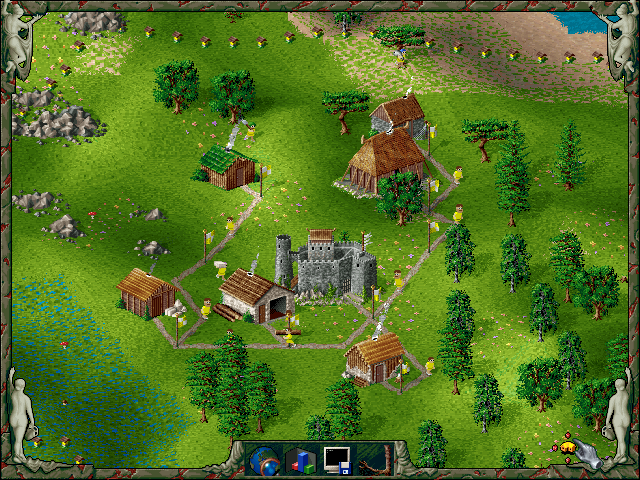
The game focuses on building a thriving settlement by gathering resources, constructing buildings, and expanding the territory. Players must effectively manage supply chains and logistics to ensure their settlers have the necessary resources. A significant part of the game involves balancing production, transportation, and territorial expansion.
Game Mechanics
The game is played from a top-down perspective, and players can choose from different tribes, each with unique characteristics. The key mechanics of the game include road construction for transportation, mining resources, constructing buildings, and military conquest. Players also need to manage the production of goods, such as food and tools, to maintain the economy and support military operations.
Historical Context
The game was notable for its innovative gameplay elements at the time of release. It introduced more complex mechanics compared to its predecessor and was praised for its detailed graphics and immersive world-building. The subtitle “Veni, Vidi, Vici” alludes to the famous phrase attributed to Julius Caesar, indicating the game’s theme of exploration and conquest.
Legacy
The Settlers II has been regarded as a classic in the strategy genre, influencing future games with its intricate economic models and emphasis on logistics. It remains a beloved title among fans of the series and has even seen re-releases and updates over the years, such as The Settlers II: 10th Anniversary, which brought the classic gameplay to a more modern audience.
Trivia
- The game was originally released for MS-DOS and has since been adapted for various platforms.
- It was one of the early games to include multiplayer elements, allowing players to compete against each other via a local network.
- The success of the game solidified Blue Byte Software’s reputation as a leader in the strategy game industry in the 1990s.