





Historical Context & Trivia
Sid Meier’s Covert Action and 1990 sit at an interesting crossroads in MicroProse history: it is a spy-thriller designed around global counterintelligence, evidence gathering, and tactical decision-making rather than pure arcade action. The game is widely remembered as an ambitious hybrid that blended espionage fantasy with systemic play, making it a notable entry in early DOS-era design and in the broader legacy of Sid Meier-associated strategy experiments.
MPS Labs developed the game for MicroProse, the studio and publisher closely identified with simulation-heavy and strategy-forward PC design. Contemporary documentation and later database records consistently place it on DOS, with an Amiga version also documented, and the title has remained part of the historical conversation around early 1990s PC game experimentation and the studio’s genre-spanning output.
Gameplay & Technical Features
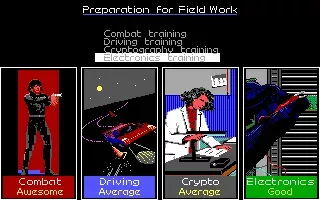
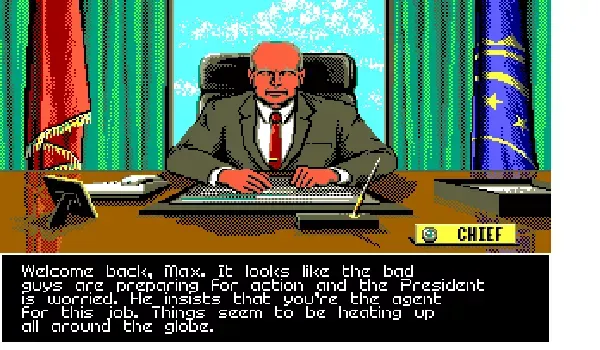
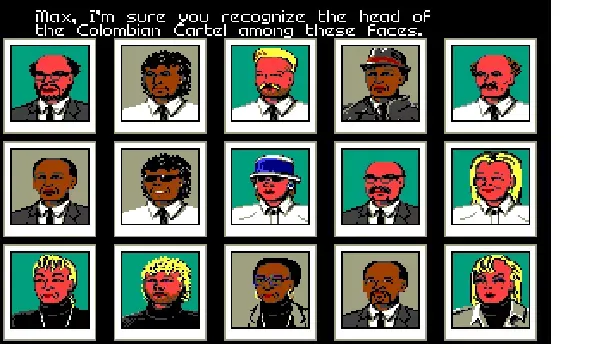
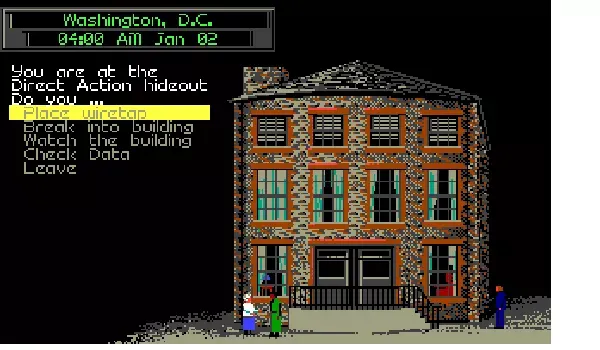
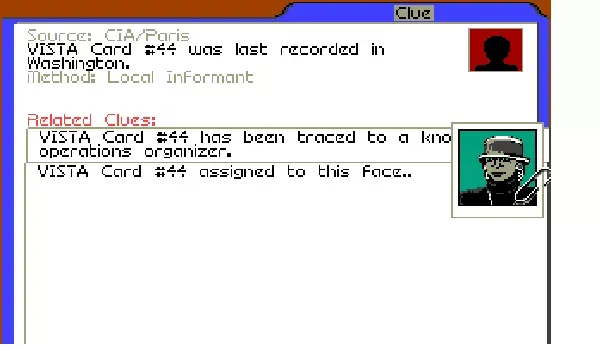
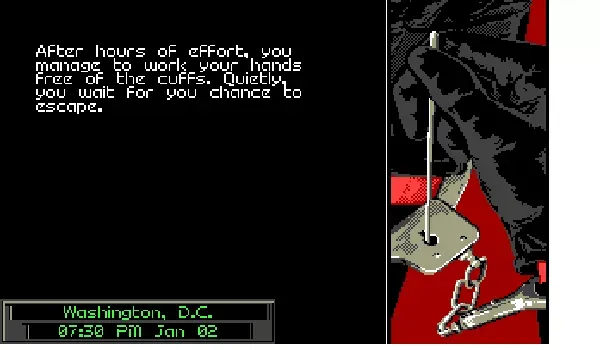
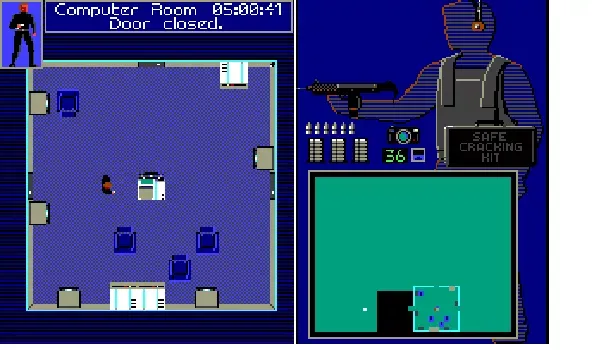
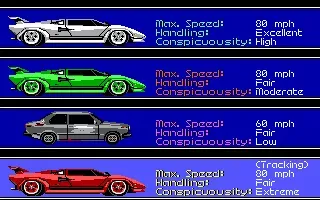
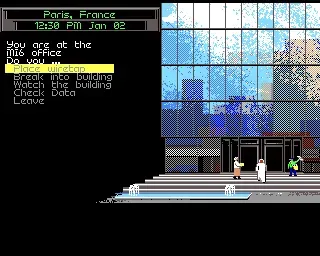
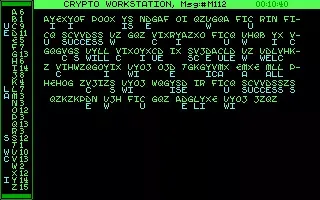
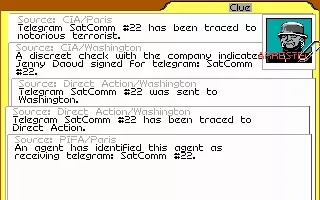
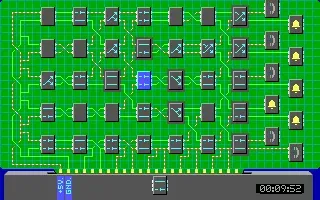
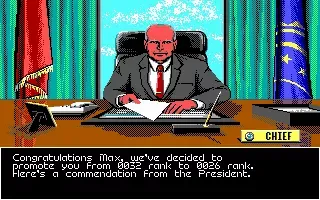
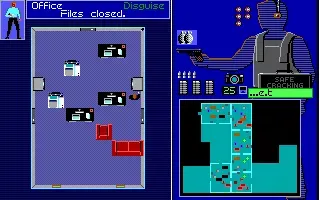
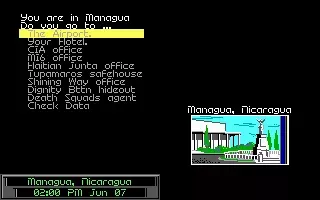
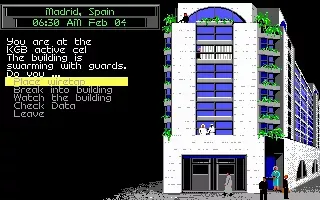
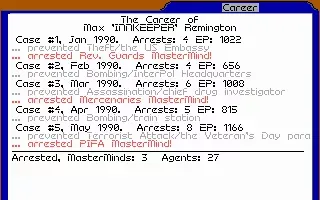
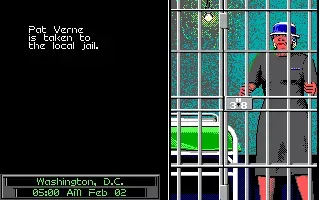
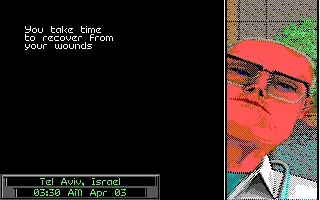
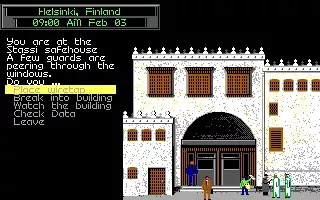
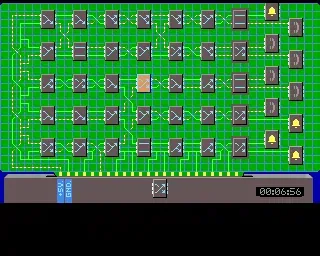
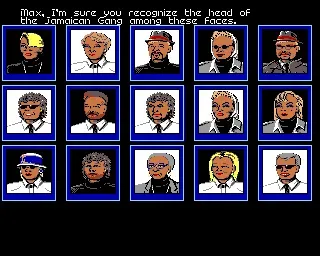
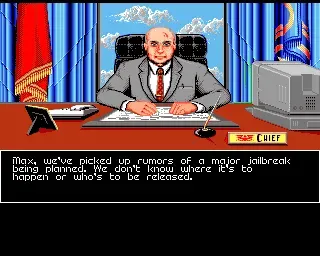
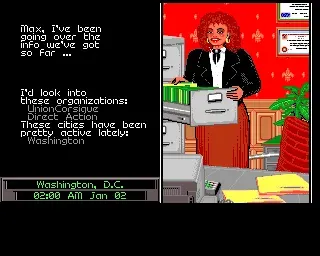
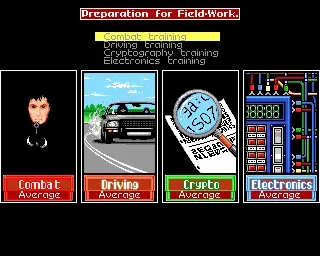
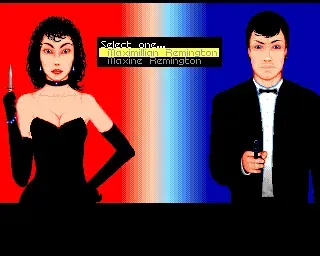
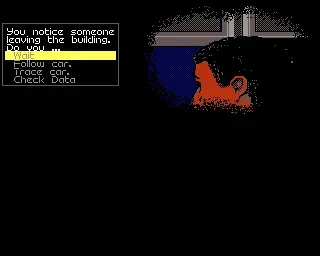
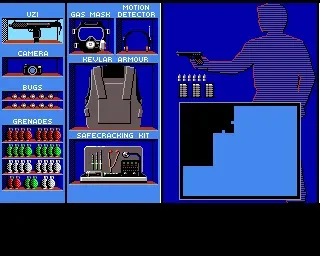
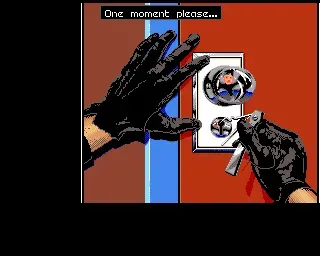
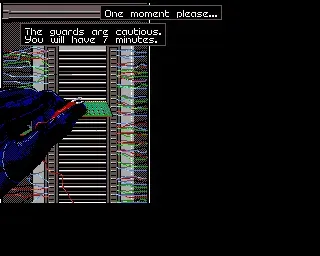
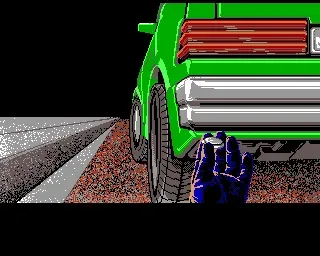
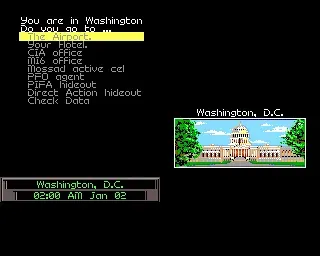
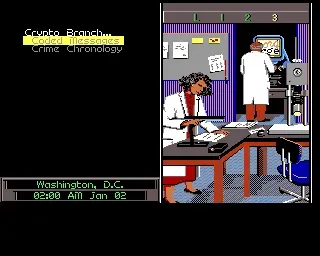
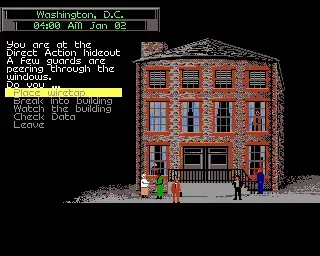
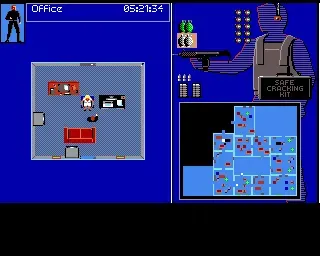
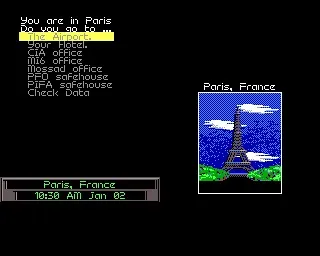
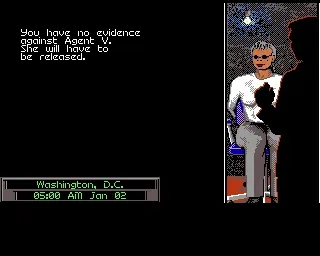
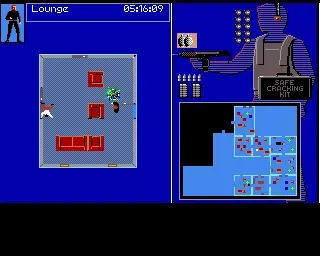
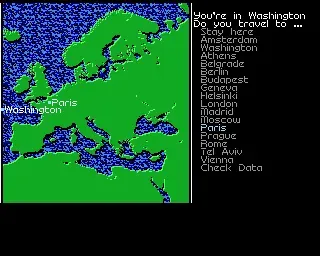
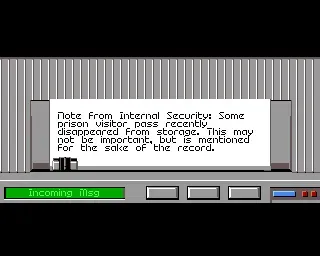
This action strategy title puts the player in the role of an undercover operative pursuing international criminal plots through investigation, surveillance, decoding clues, and direct intervention. Its structure is built around mission work, suspect tracking, and mixed-mode encounters that combine planning with action sequences, giving it a distinctive identity among early spy games.
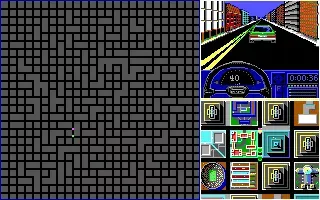
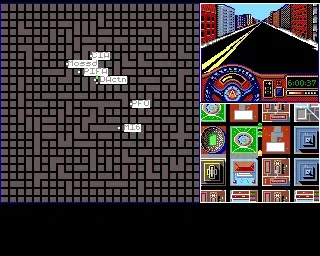
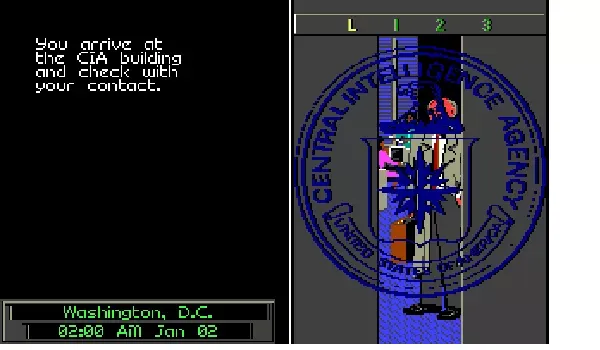
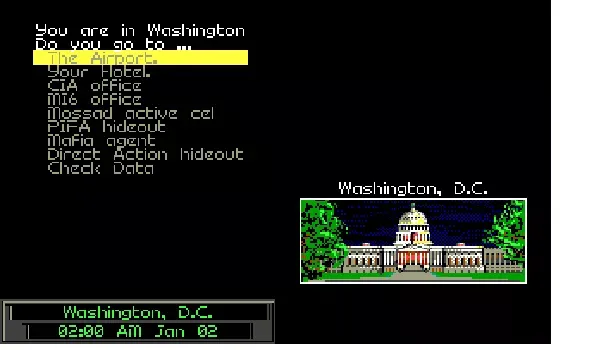
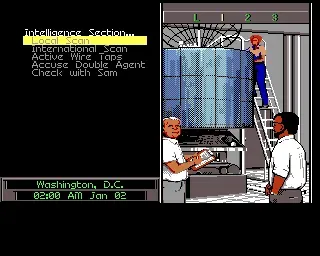
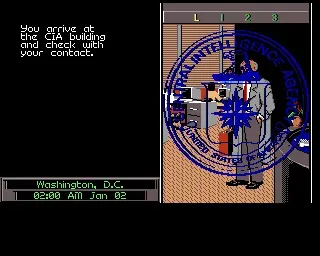
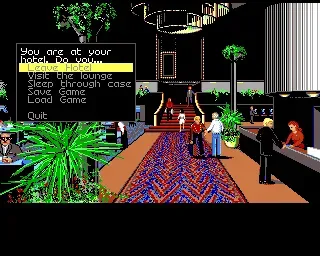
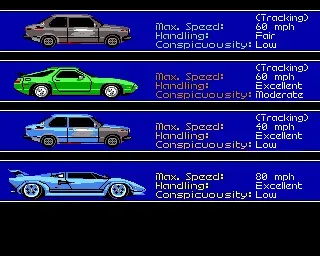
On DOS, Sid Meier’s Covert Action uses the strengths of the PC platform for menu-driven deduction, top-down presentation, and multi-part mission flow. The game’s audiovisual approach is restrained by early 1990s hardware limits, but its design emphasis is on information management and gameplay variety rather than spectacle, which fits the technical and stylistic profile of MicroProse releases from the period.
Collector’s Value & Rarity
As a PC title from 1990, Sid Meier’s Covert Action is best treated as a collectible retro release with moderate-to-strong preservation interest rather than an ultra-rare artifact. Its value is driven more by its status as a recognized MicroProse classic and by collector demand for original DOS-era big-box software than by extreme scarcity alone.
Physical copies are typically of interest for their period packaging, inserts, manuals, and any platform-specific distribution details tied to DOS releases. Variants associated with different publishers or later reissues can matter to collectors, but the core historical appeal remains the original 1990 computer release and its documentary link to the early career of Sid Meier-era design.