

Historical Context & Trivia
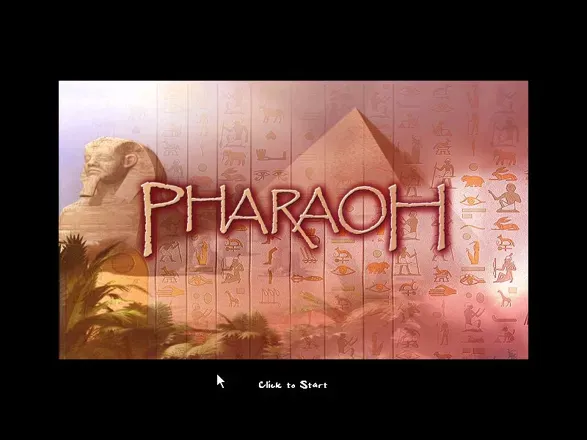
Pharaoh (1999) is one of Impressions Games’ best-known city-building titles, placing players in ancient Egypt and extending the studio’s long-running design tradition into a historically themed strategy framework. Its reputation rests on the blend of civic planning, monument building, and dynastic progression that made it a standout among late-1990s PC strategy games.
The game was published for Windows by Sierra Studios / Sierra On-Line, with later releases and regional distribution handled by companies including Unalis Corporation, Sold Out Sales & Marketing Ltd., 1C Company, and Dice Multi Media Europe B.V.. It is also closely associated with the later expansion Cleopatra: Queen of the Nile, which helped sustain its visibility well beyond the original launch window.
Gameplay & Technical Features
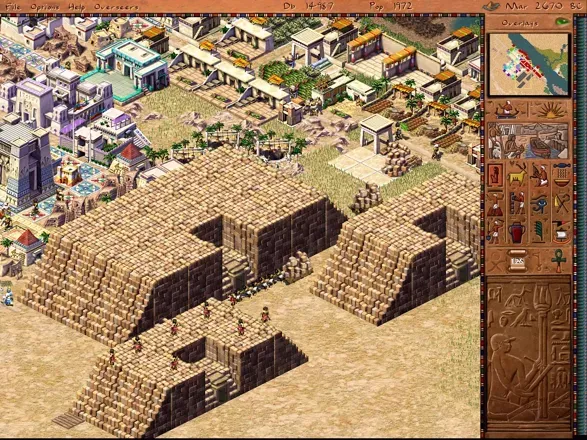
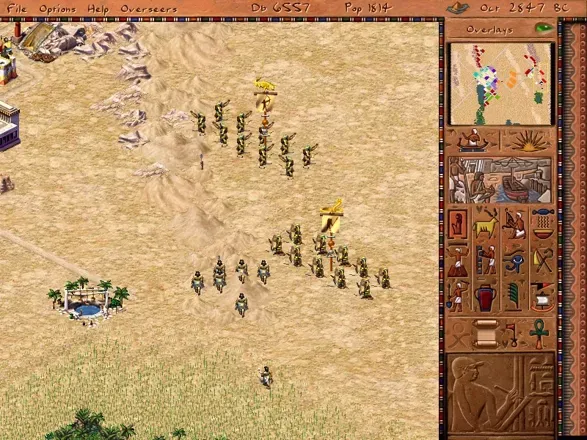
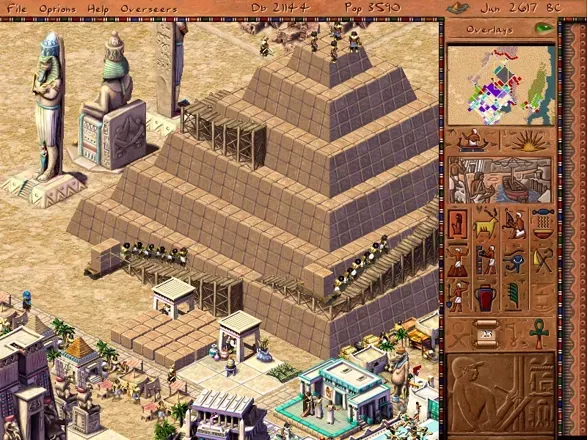
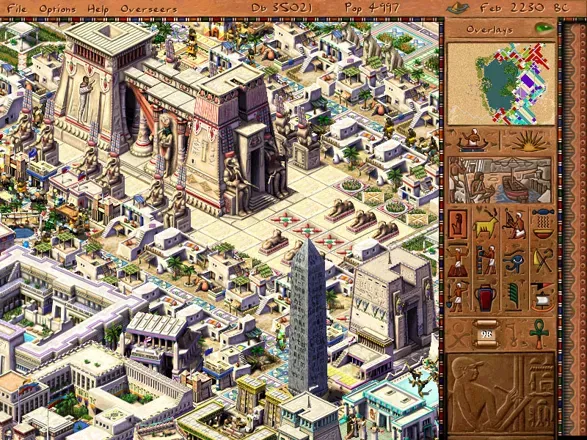
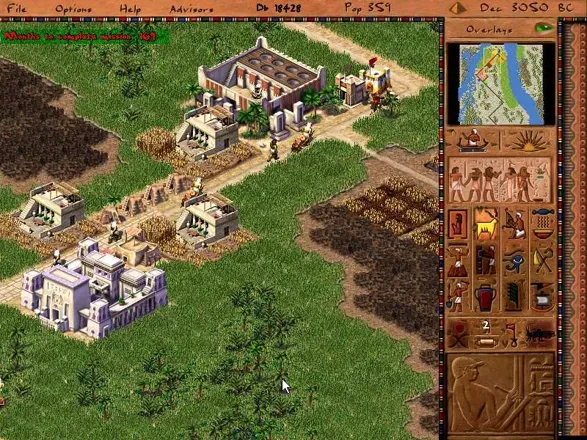
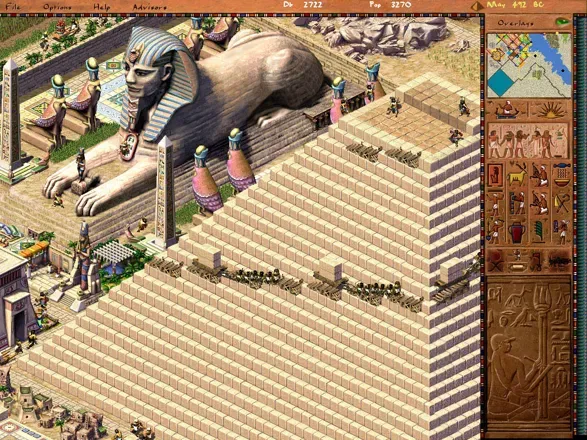
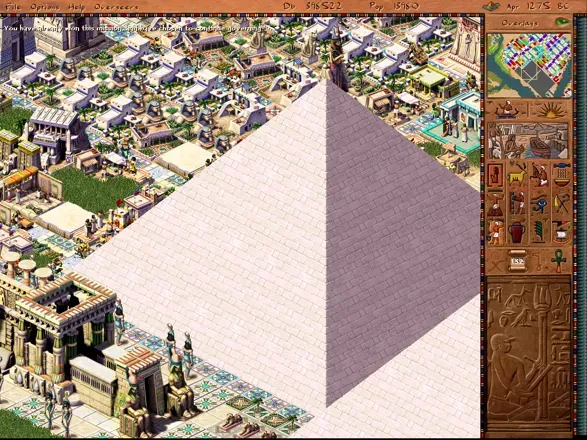
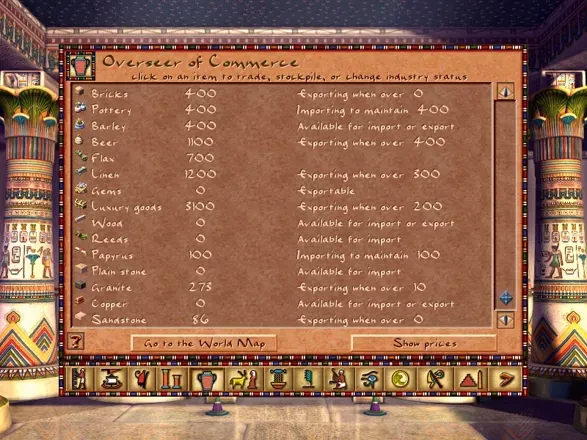
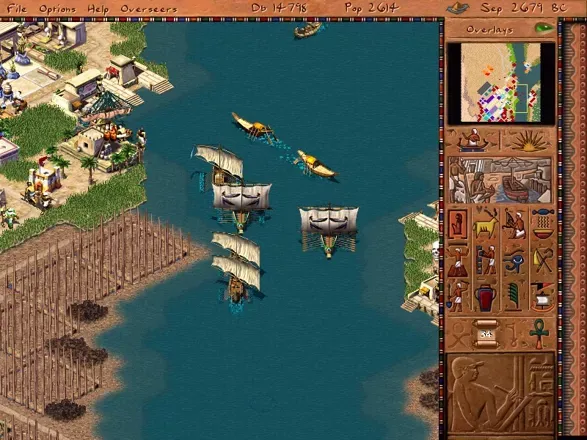
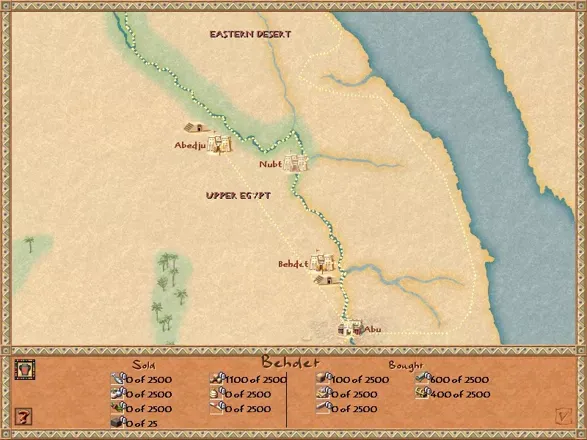
Pharaoh is an isometric city-building strategy game built around housing development, resource logistics, trade, labor management, religion, and military stability. Players guide settlements through Egypt’s historical periods while balancing domestic needs, monument construction, and the expectations of the ruling class.
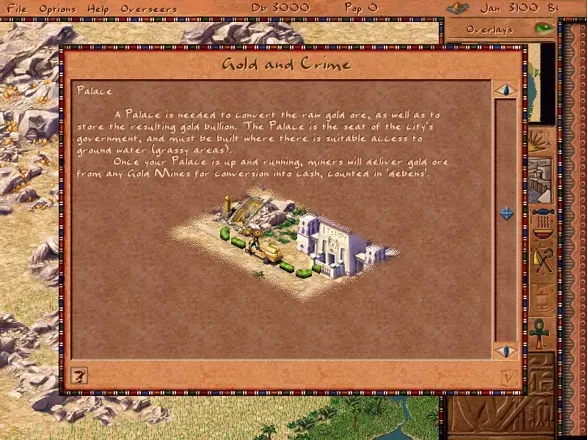
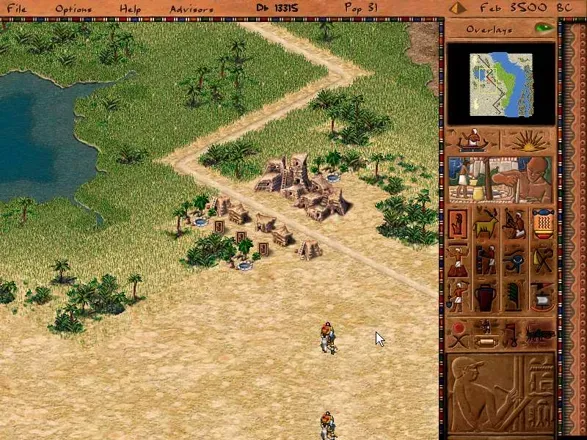
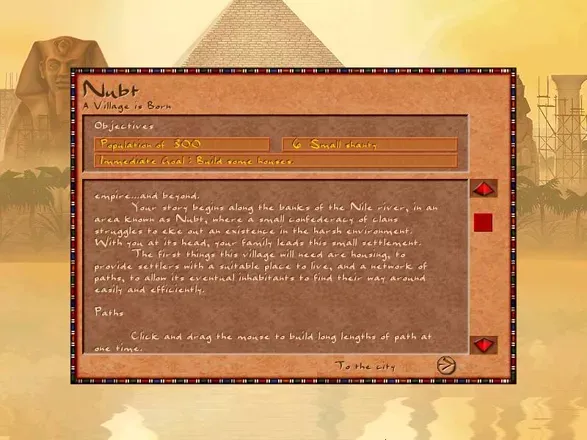
On Windows, the game used a pre-3D presentation style typical of late-1990s PC strategy design, with dense 2D map layers, detailed settlement animation, and a UI optimized for mouse-driven management. Its audiovisual identity emphasizes readable city layouts, ambient desert atmosphere, and period-flavored presentation rather than fast action.
Collector’s Value & Rarity
Pharaoh is not generally considered a rare title, but original retail PC copies can still interest collectors because they represent a prominent release from the classic Sierra strategy catalog. Value is usually driven more by box completeness, condition, and whether the copy includes the original manuals and inserts than by absolute scarcity.
Collectors often look for the original Windows retail packaging, regional editions, and any bundled materials tied to local publishers or later re-releases. The presence of the manual, registration card, and original disc set is especially important for preservation-focused buyers, since these items help confirm a complete first-run package.