


Description
Freecell is a classic solitaire card game that became widely popular due to its inclusion in Microsoft’s suite of games. Released as part of the Windows operating system in 2001, it captured the attention of users by offering a strategic twist on traditional solitaire games.
Gameplay
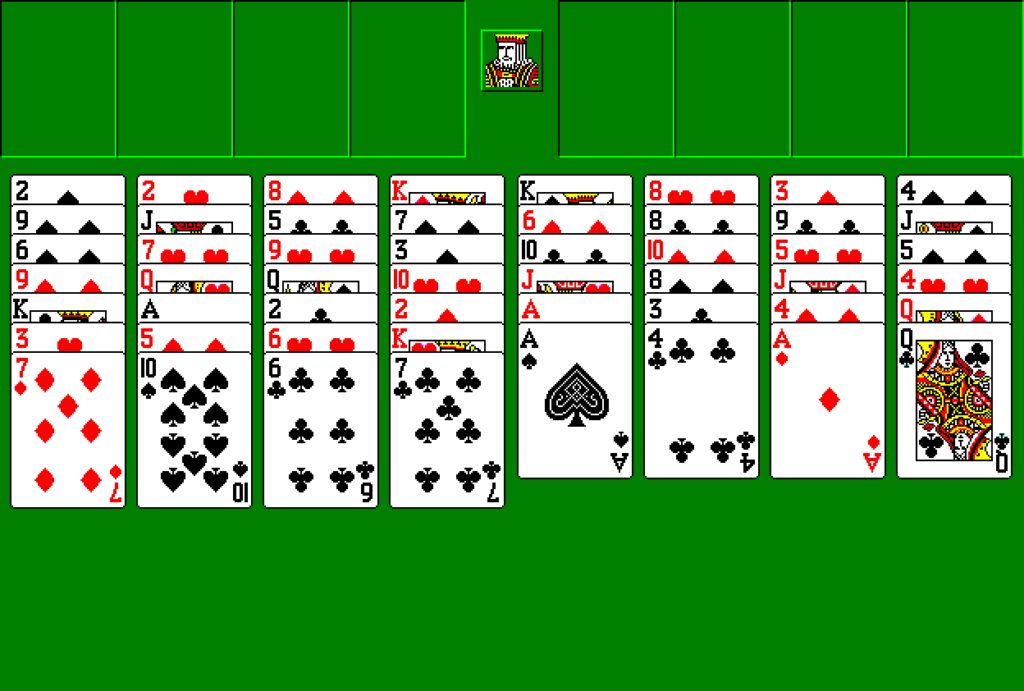
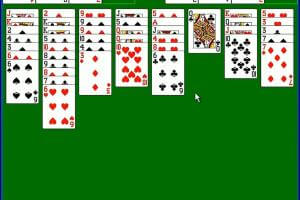
The game is played with a standard 52-card deck and involves creating four stacked piles of cards in ascending order, from Ace to King, in each suit. The main play area consists of eight columns, where players must rearrange the cards to uncover and organize them into their respective foundation piles. Uniquely, Freecell gives players all cards visible at the start of the game, requiring strategy and planning to solve the puzzle.
Popularity and Impact
This game is renowned for its accessibility and the mental challenge it provides. Unlike some other solitaire variants, nearly all Freecell deals can be solved, a feature that encourages players to engage in thoughtful analysis of each move. The game has been praised for improving strategic thinking, patience, and concentration skills.
Historical Significance
Freecell was part of a suite of games included with various Windows operating systems, contributing to its high accessibility and widespread recognition. The game’s inclusion in Windows was instrumental in teaching many users the basics of mouse navigation and card game logic, helping to familiarize them with personal computing.