


Historical Context & Trivia
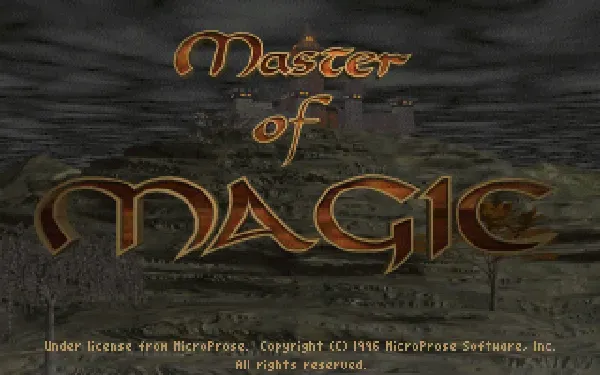
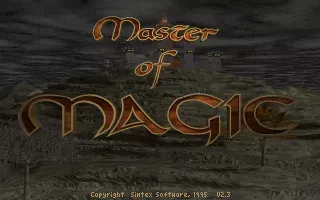
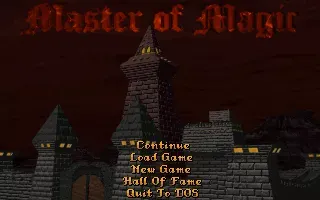
Master of Magic (1994) is a landmark fantasy 4X strategy game from SimTex and MicroProse, widely remembered for translating the empire-building structure of early 1990s strategy into a spell-driven duel between rival wizards. It placed the player in control of a growing magical realm across the twin worlds of Arcanus and Myrror, and it has long been regarded as one of the defining fantasy strategy titles of its era.
The original manual credits the game as “designed by SimTex Software,” and contemporary preservation sources confirm the DOS release in 1994, with later re-releases and ownership changes handled by Slitherine, Atari, Infogrames, and the Japanese publisher Locus Company across different regions and editions. The game’s enduring reputation is reinforced by its later reissue on modern platforms and the continued attention it receives from strategy historians and mod communities.
Gameplay & Technical Features
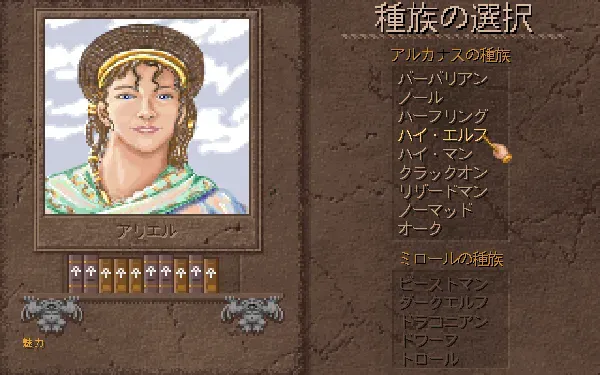
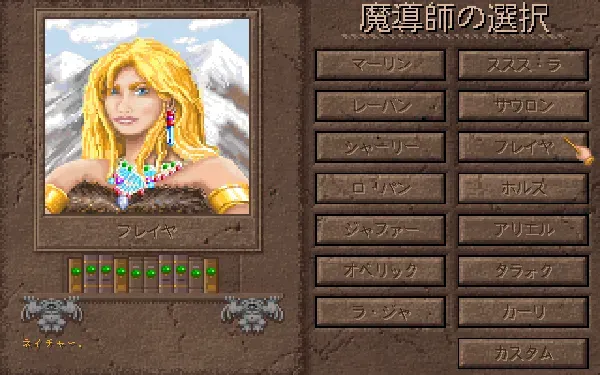
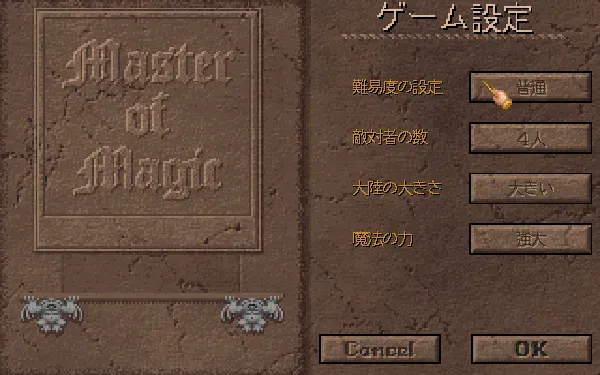
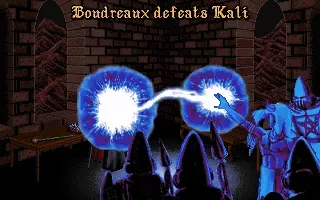
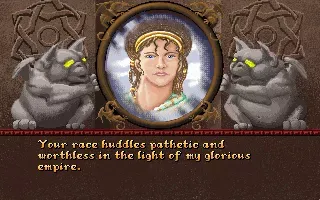
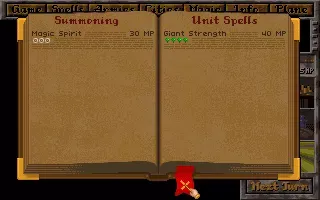
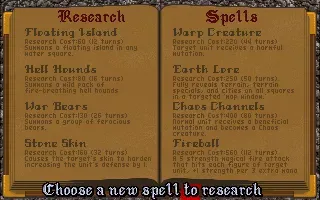
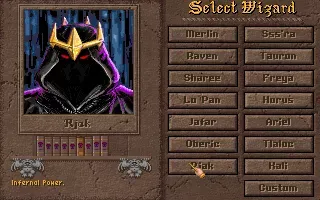
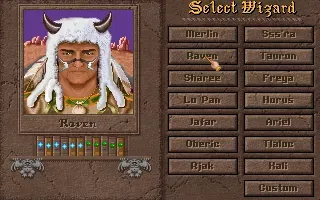
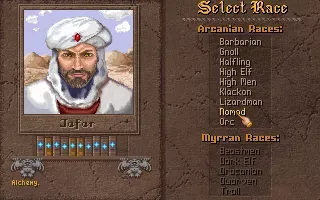
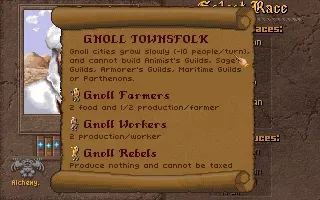
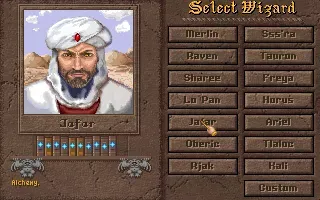
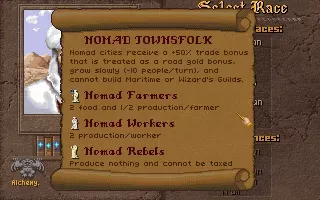
As a strategy / tactics title, Master of Magic centers on turn-based empire management, tactical spellcasting, city development, and army expansion. Players begin as a fledgling wizard, choose magical affinities and race combinations, and then pursue domination through exploration, diplomacy, research, and battlefield magic against other AI-controlled sorcerers.
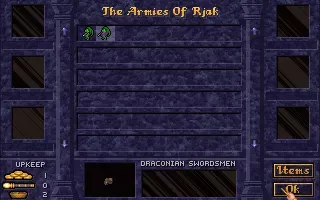
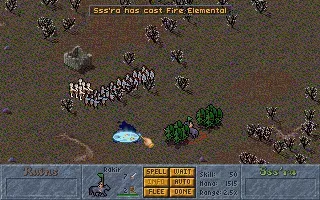
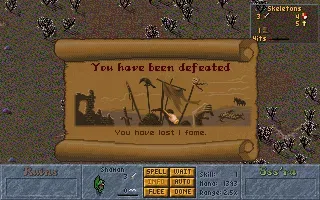
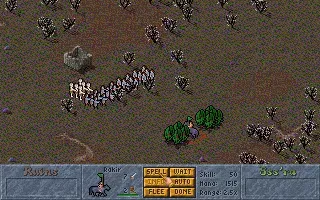
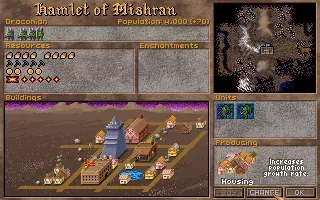
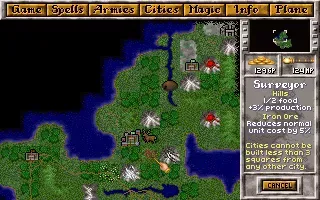
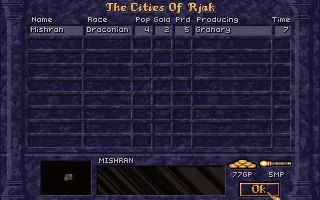
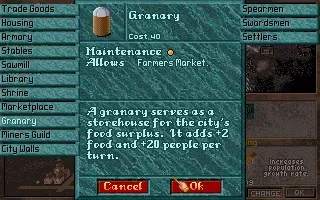
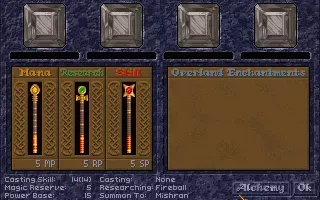
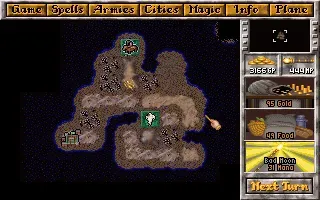
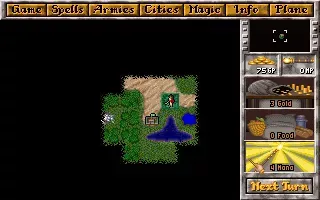
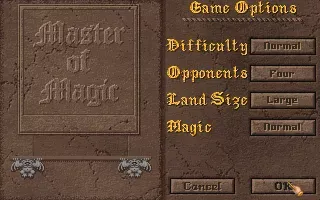
On DOS, the game used the era’s top-down/isometric strategy presentation and was built around mouse-driven menus, map movement, and information-rich interface panels typical of early MicroProse design. Its audiovisual presentation was functional rather than flashy, but the fantasy unit art, spell effects, and layered systems gave the game considerable depth for the hardware constraints of mid-1990s PC gaming.
Collector’s Value & Rarity
Master of Magic is not generally treated as a rare sealed-only artifact, but it is a highly collected and historically significant DOS strategy title because of its cult status and the strong demand from classic PC strategy fans. Surviving original copies, especially complete sets with manuals and inserts, tend to be valued more for preservation and completeness than for extreme scarcity.
Important physical collateral includes the revised manual and region-specific publisher branding tied to different releases, since the title was distributed under multiple companies over time. Variants associated with MicroProse, Locus Company, and later rights holders can matter to collectors, but the main appeal remains the game’s complete original DOS package and its documentation-heavy presentation.