










Historical Context & Trivia
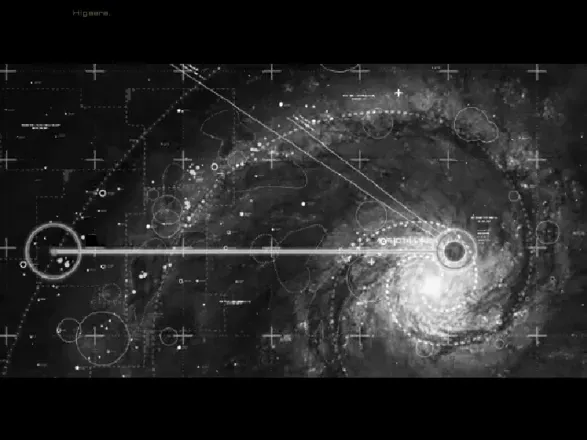
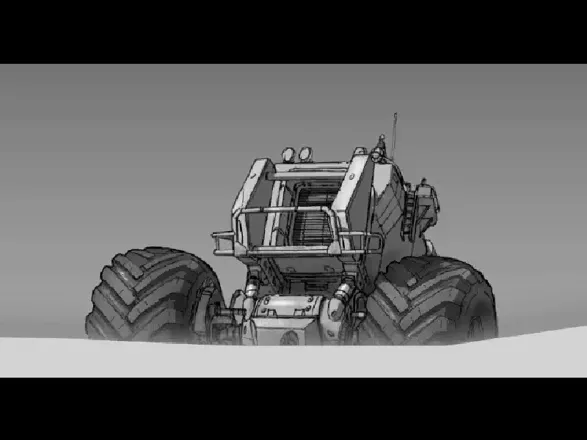
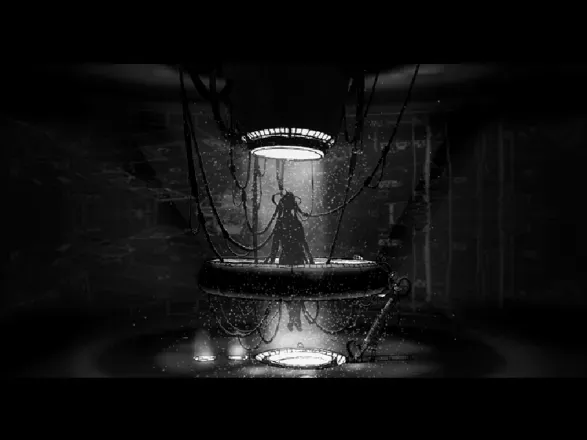
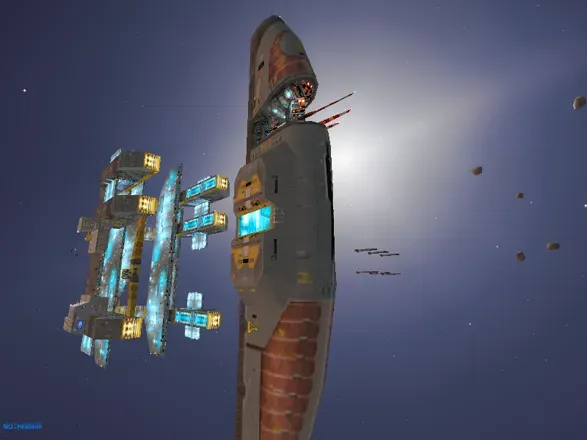
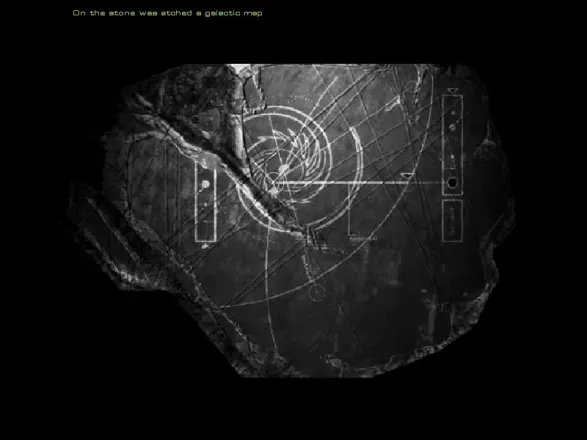
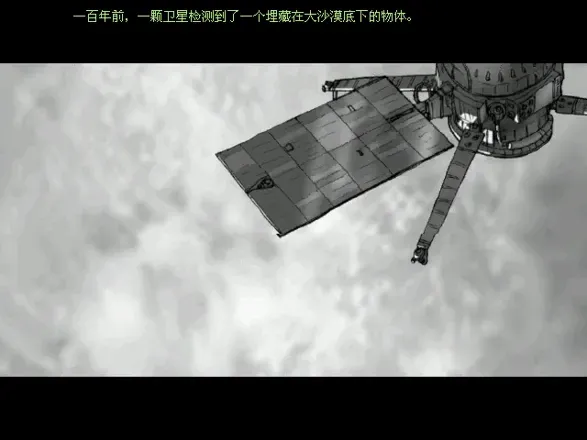
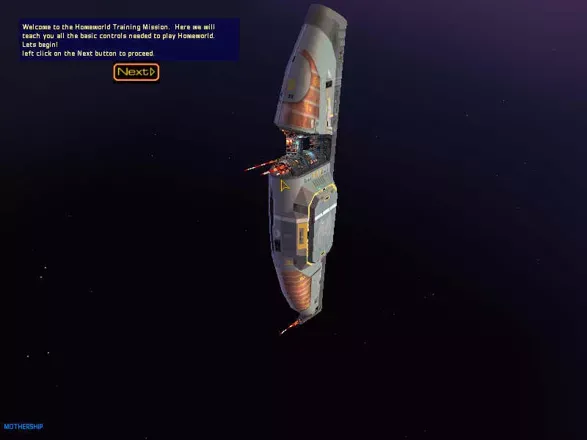
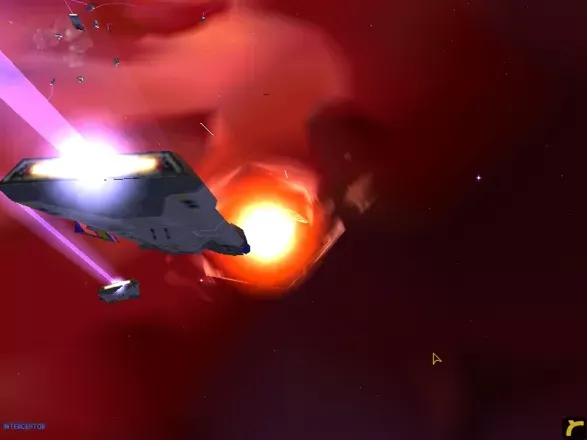
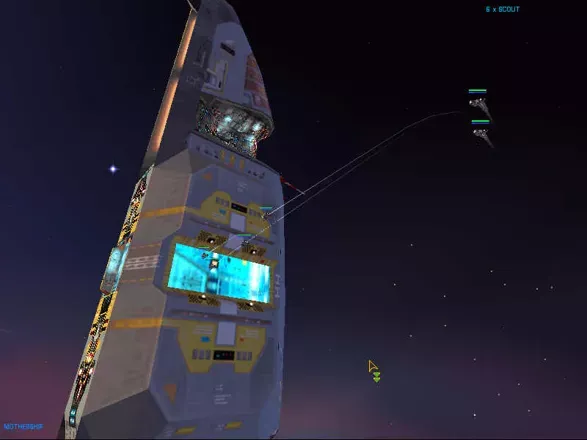
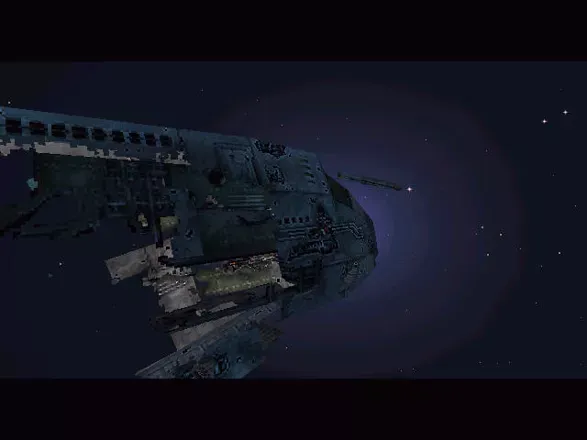
Homeworld (1999) is a landmark real-time strategy game whose space-opera premise follows the exiles of Kharak as they travel aboard a massive Mothership toward the lost world of Hiigara. Its narrative framing and cinematic presentation helped distinguish it from contemporaneous RTS releases, and later retrospectives consistently describe it as a genre-defining classic for its scale, atmosphere, and story-driven structure.
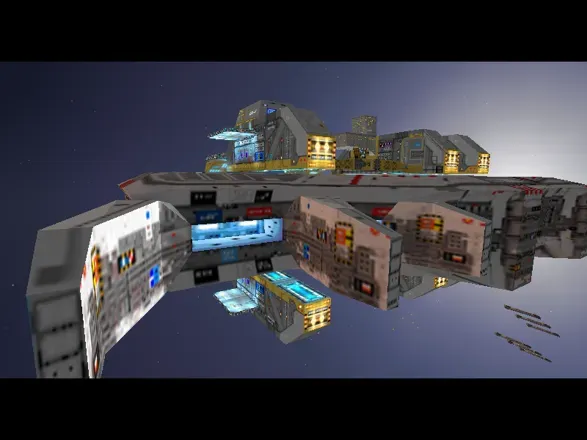
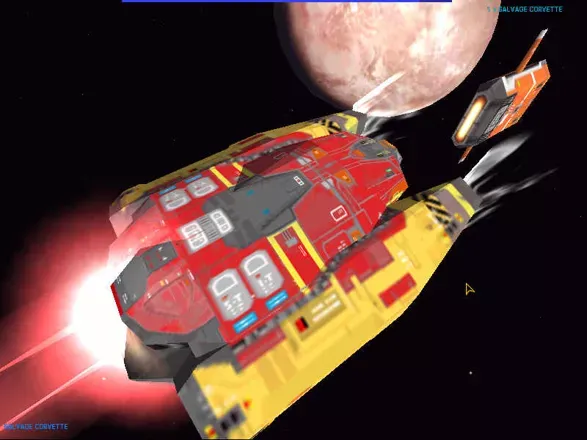
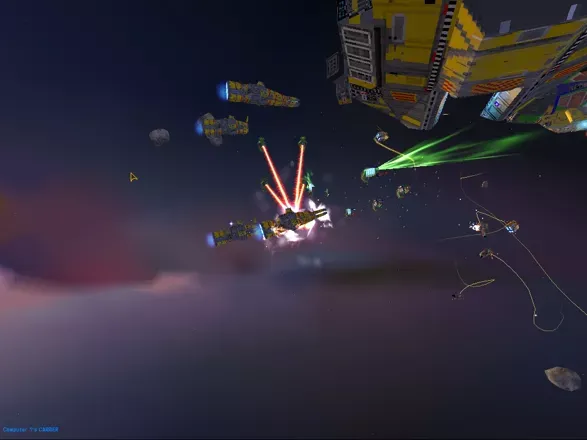
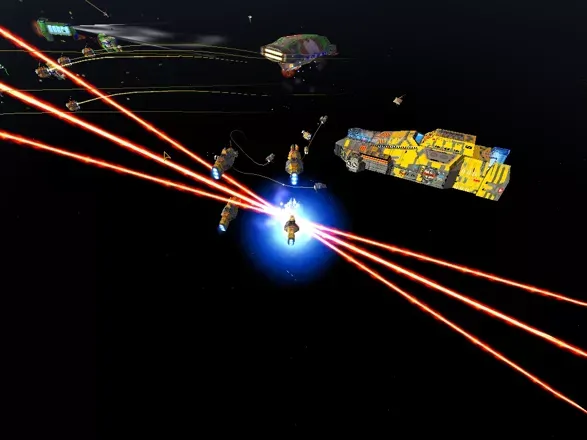
Relic Entertainment developed the game for Windows, while Sierra handled publishing in the original release era; the title is widely credited with bringing fully three-dimensional space combat into mainstream RTS design. Reviews from the period highlighted its “stunning 3D engine,” strong audio, and unusually ambitious tactical presentation, and later coverage continued to treat it as one of the most influential PC strategy games of its generation.
Gameplay & Technical Features
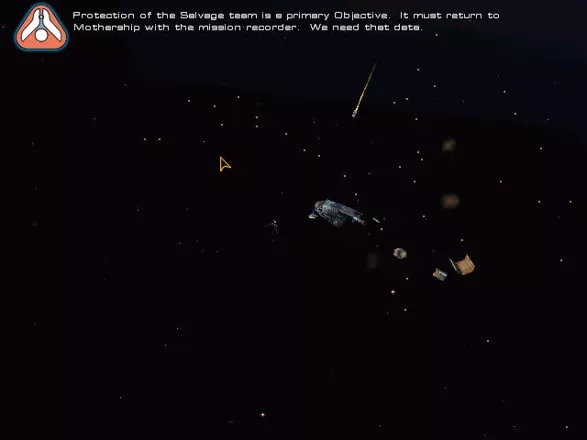
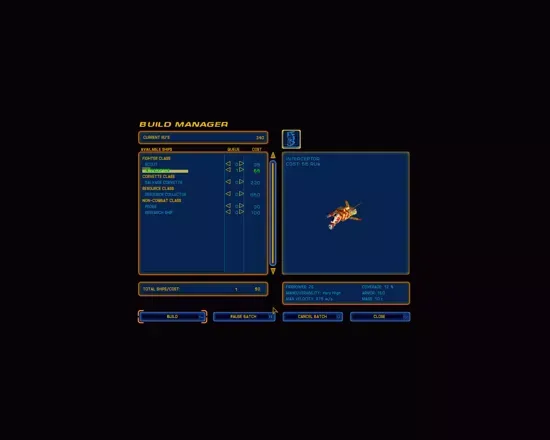
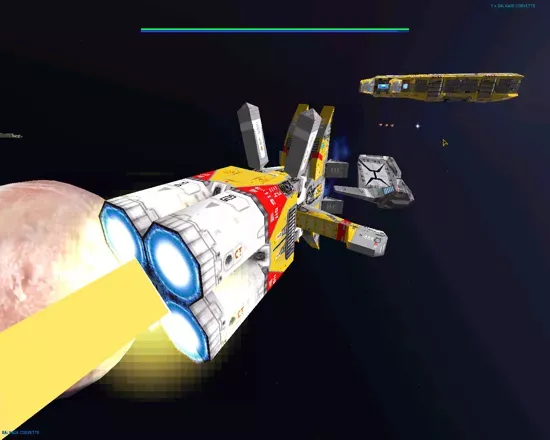
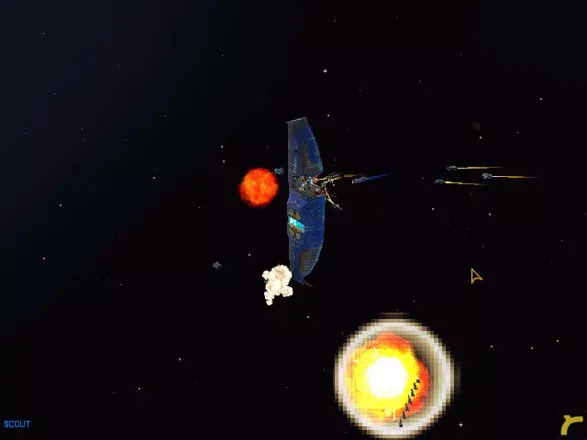
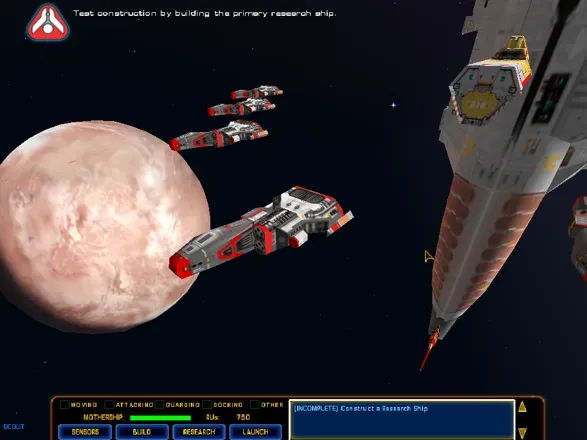
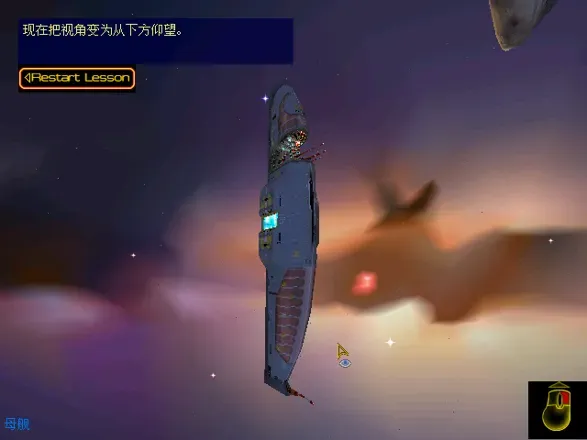
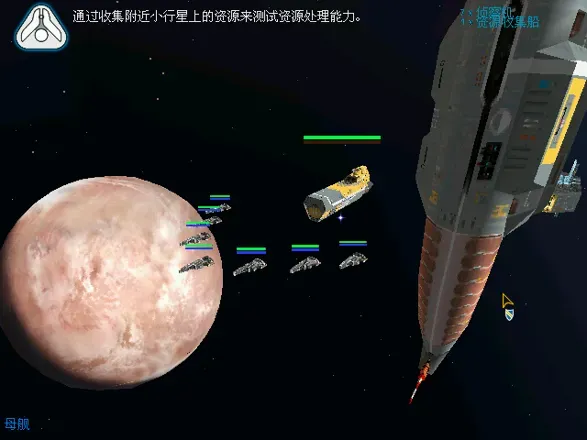
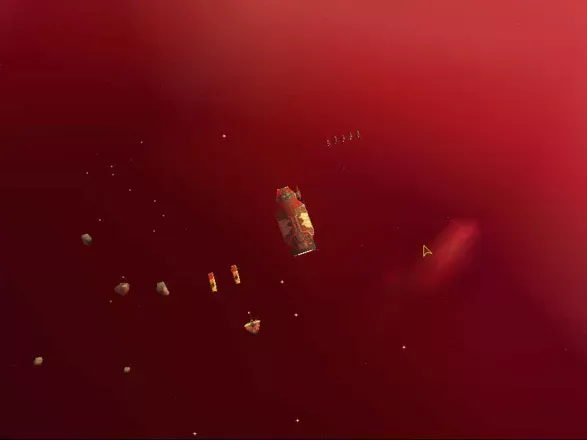
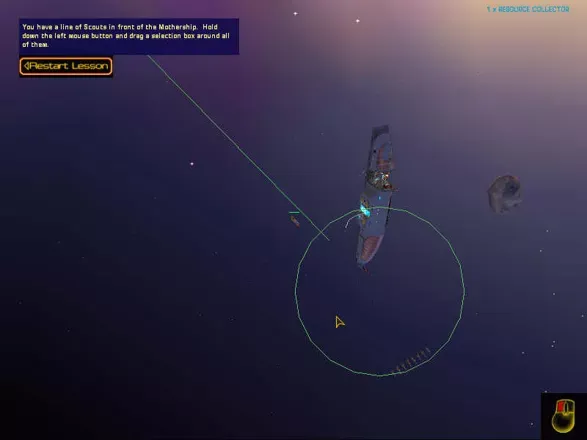
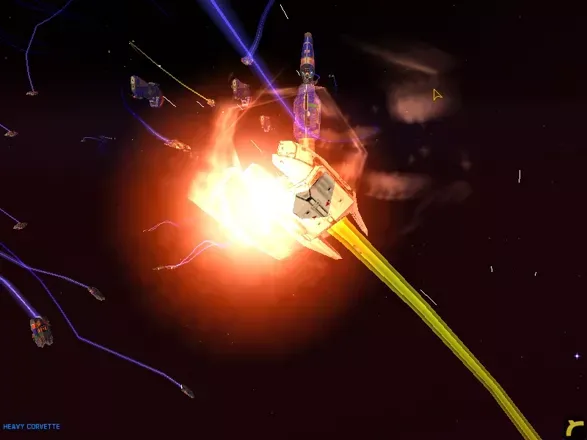
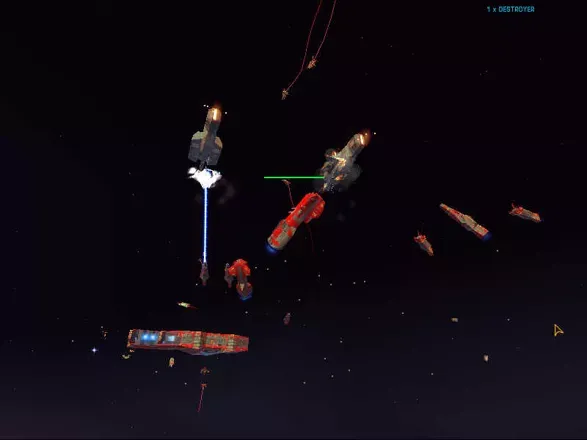
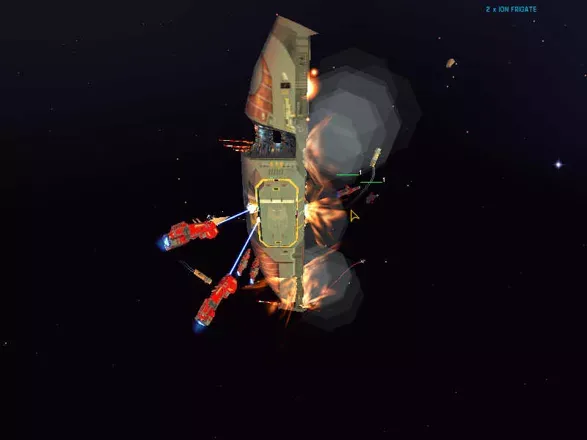
The core gameplay is a strategy / tactics experience built around fleet command rather than base crawling, with players managing ship production, resource collection, positioning, and mission objectives in a fully three-dimensional battlefield. That 3D space is central to the design: vertical movement, formation control, and unit type selection all matter, making spatial awareness a defining part of play.
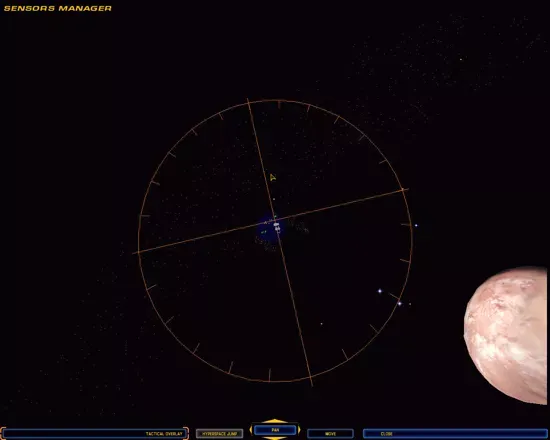
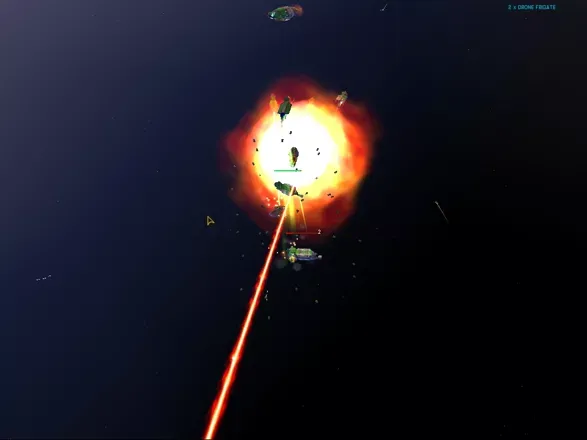
On Windows, the game stood out for its advanced 3D visuals, large-scale ship battles, and interface designed specifically for mouse-driven fleet command. Contemporary and retrospective reviews repeatedly praised its deep-space presentation, distinctive command navigation, and audio design, which together created a technical identity that separated it from conventional isometric or 2D RTS games.
Collector’s Value & Rarity
Original Homeworld PC releases are sought after because the game remains a recognized historical milestone and because early boxed PC strategy titles often survive in mixed condition across discs, inserts, and manuals. Market interest is supported more by its reputation and genre significance than by extreme scarcity, since it was a mainstream retail release rather than a limited-run specialty product.
For collectors, the most important physical details are the Windows PC packaging, regional publisher differences, and the completeness of the paper collateral that accompanied retail copies. Since the title circulated through multiple publishing channels across territories, variants may differ by distributor branding and box presentation, which can matter significantly for preservation-focused collectors.