

Historical Context & Trivia
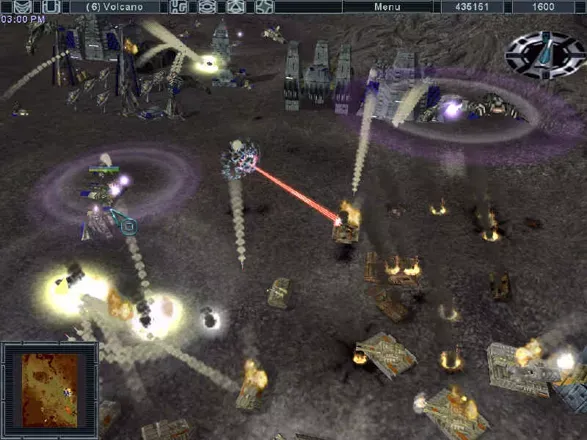
Earth 2150, released in 2000, is a science-fiction real-time strategy game set in a post-catastrophe future where Earth’s orbit has become unstable and competing factions fight for survival and escape. It is the sequel to Earth 2140 and is widely noted as one of the early commercial full-3D RTS games, arriving in the same era as other technically ambitious strategy titles.
Source material consistently credits the game to Reality Pump / TopWare Interactive, with Strategic Simulations, Inc. handling the base retail publication in North America and other regional publishers supporting local releases. The title is also known as Earth 2150: Escape from the Blue Planet, and later appeared as part of a trilogy release that bundled its expansion content.
Gameplay & Technical Features
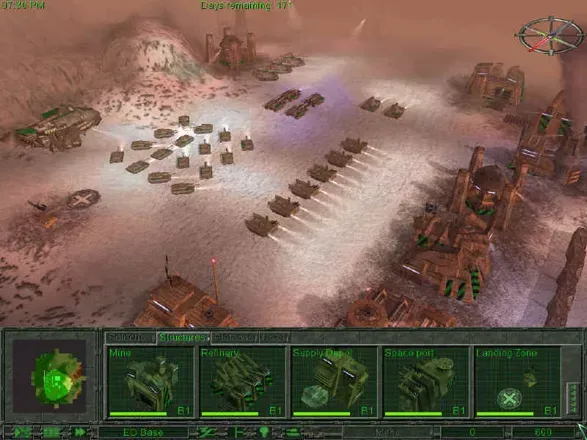
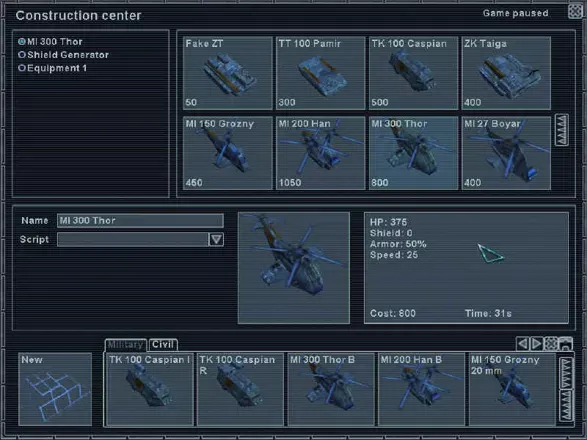
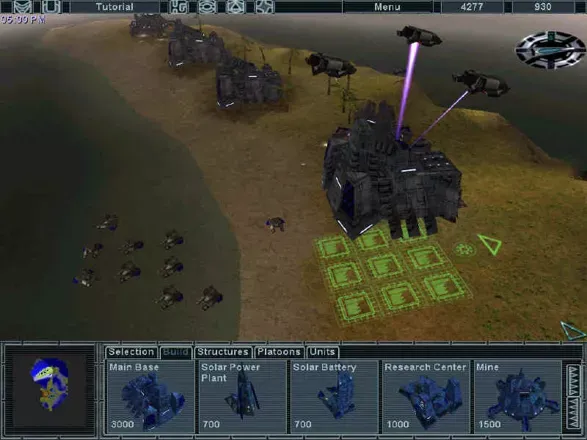
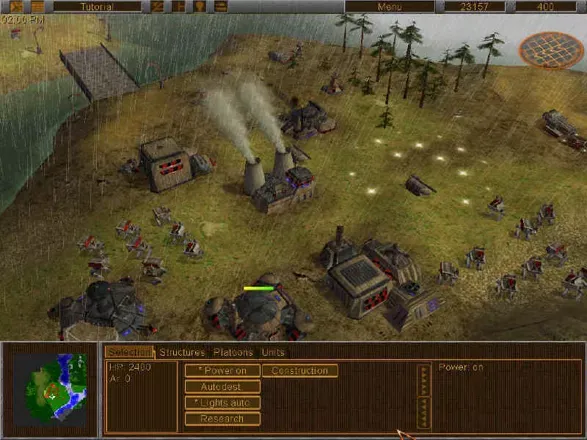
This is a strategy game built around resource control, base construction, unit production, and large-scale tactical conflict across land, air, and sea. MobyGames describes a campaign with 70 missions, non-linear progression, and a level editor, while the setting emphasizes the race to gather materials needed to build a giant spacecraft and escape Earth.
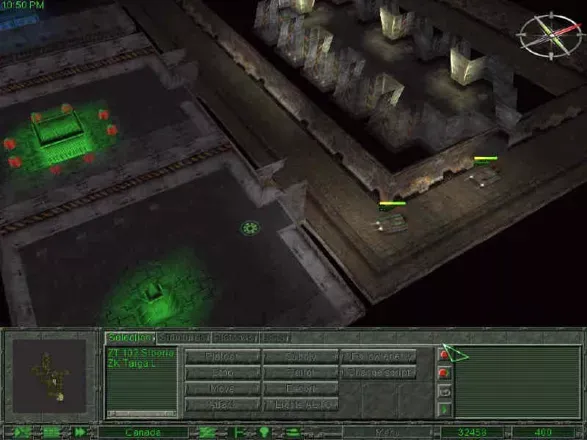
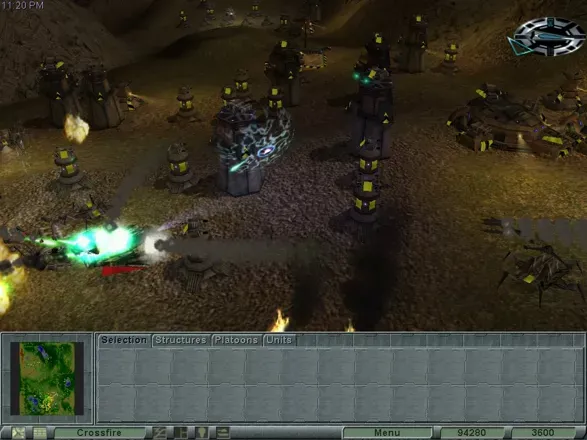
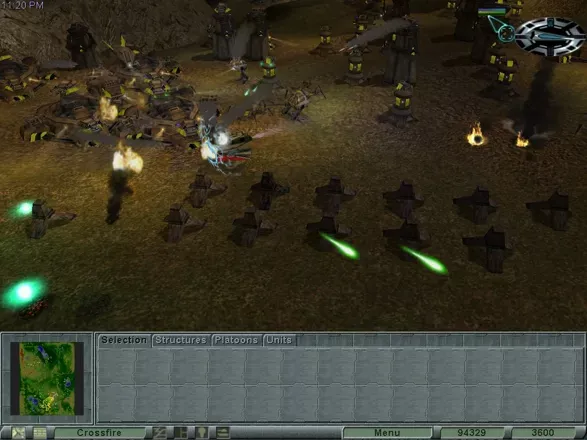
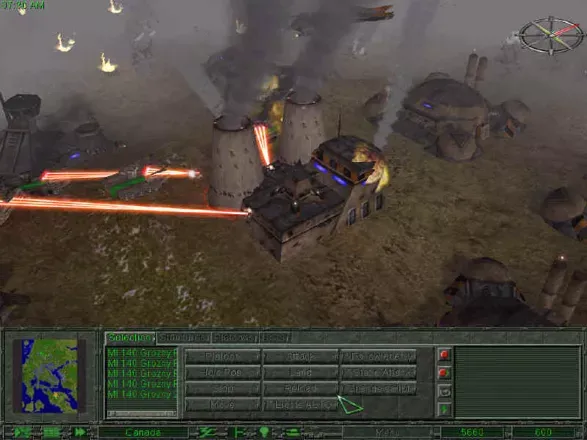
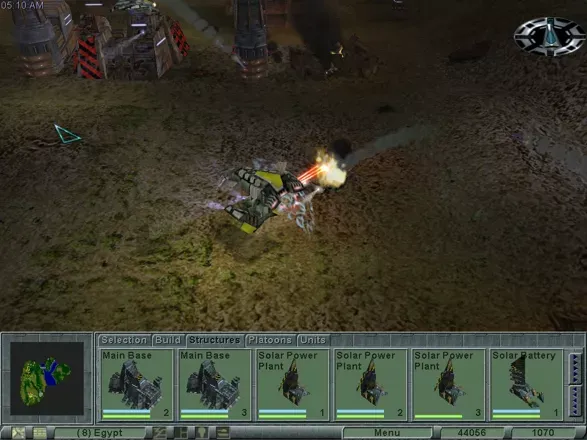
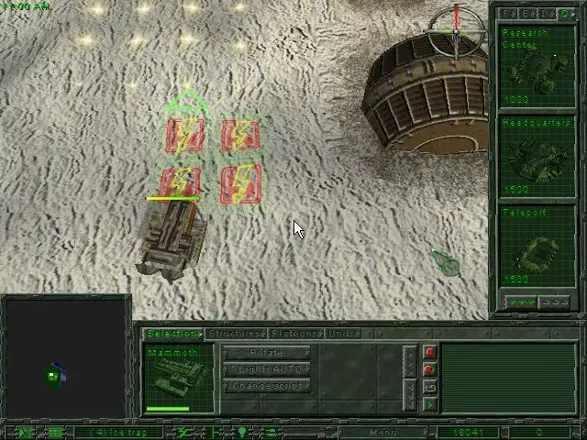
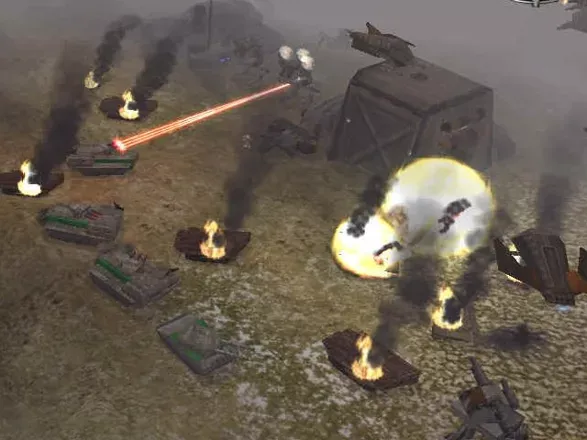
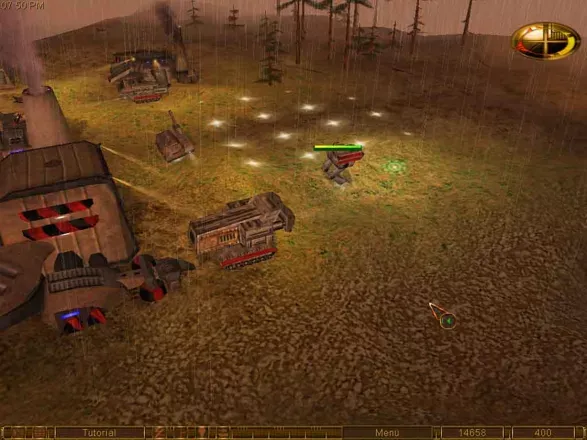
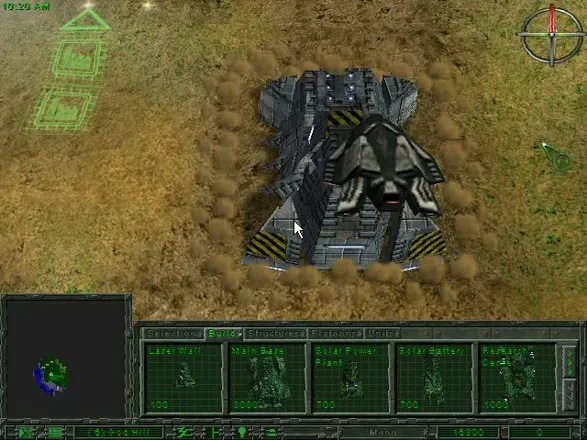
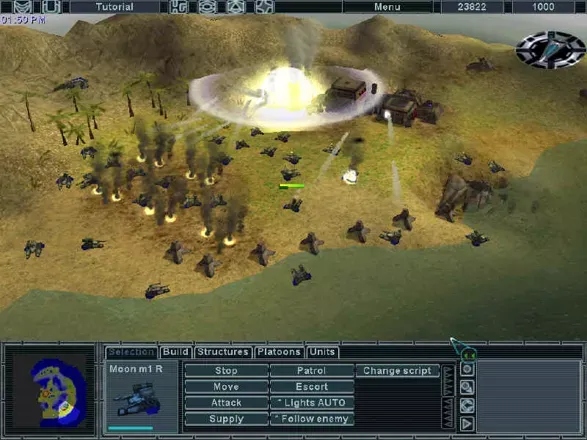
On Windows, the game’s technical identity comes from its fully 3D presentation, which was unusual for a commercial RTS at the time. The interface and battlefield design support the genre’s bird’s-eye control style, while the sci-fi theme is reinforced through futuristic vehicles, terrain deformation/tunneling mechanics, and a broad audiovisual scale typical of late-1990s and early-2000s PC strategy games.
Collector’s Value & Rarity
Earth 2150 is not generally treated as a rare collector’s outlier, but it does have interest as an early 3D RTS with multiple regional publishing variants and later digital reissues. The presence of different publishers across territories, plus the existence of later trilogy editions, means box-specific value depends more on region, condition, and completeness than on extreme scarcity alone.
For collectors, the most relevant physical details are the regional release labels, translated packaging, and any included collateral such as manuals, maps, or expansion-related inserts tied to The Moon Project and Lost Souls. Releases documented in databases show multiple country-specific publishing arrangements, which makes provenance and packaging language important when identifying a complete copy.