

Historical Context & Trivia
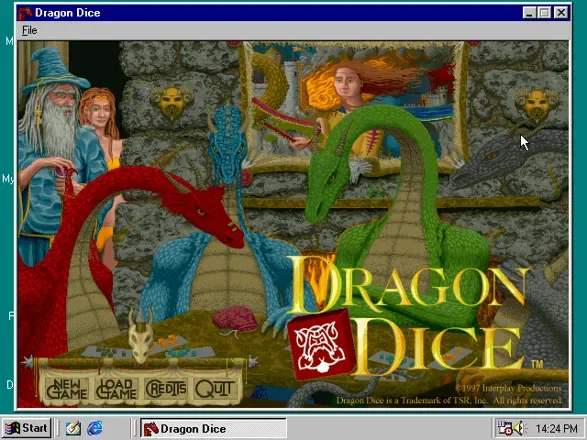
Dragon Dice (1997) is a Windows strategy game adaptation of TSR‘s collectible dice game, bringing its fantasy factions and terrain-based conflict into a computer format. It occupies a niche but documented corner of 1990s licensed game history, sitting alongside other tabletop-to-PC adaptations from the era rather than standing as a mainstream blockbuster.
Interplay Entertainment both developed and published the game, which aligns with the company’s broader late-1990s catalog of licensed fantasy products. The release is consistently identified as a 1997 PC title, with sources describing it as a computerized version of the original dice game and noting its connection to the broader Advanced Dungeons & Dragons licensing ecosystem through TSR.
Gameplay & Technical Features
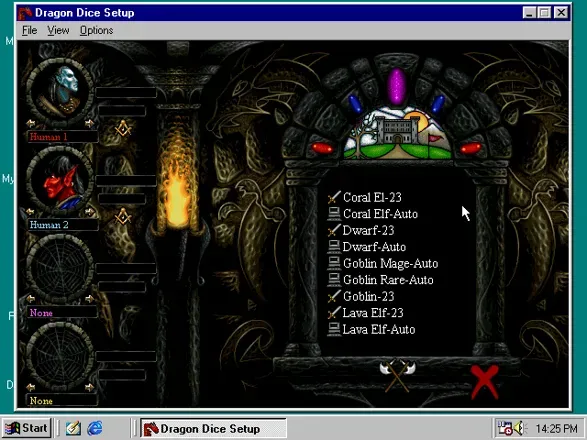
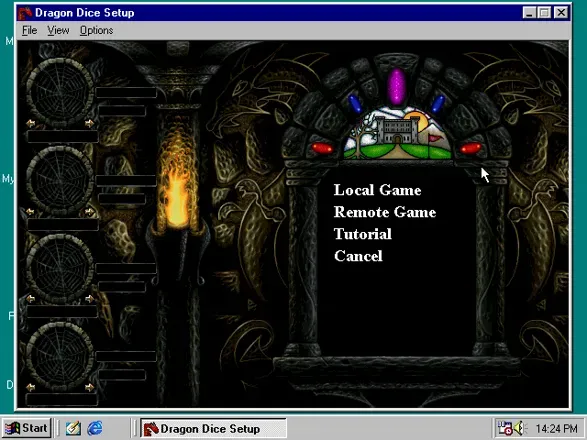
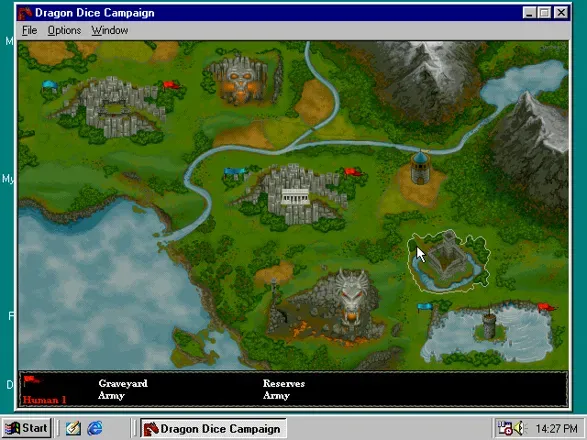
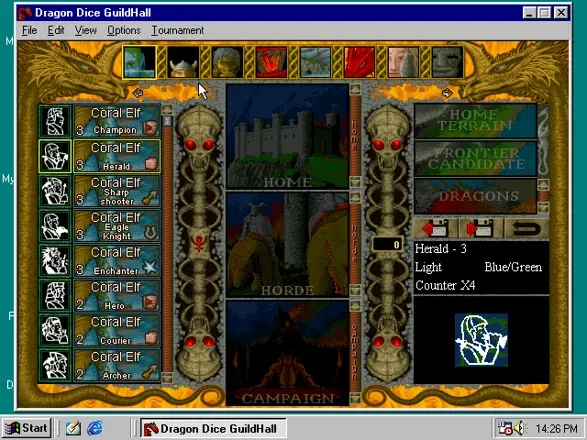
This strategy game centers on assembling legions, choosing factions, and battling for territory using a ruleset derived from the original dice game. Sources describe support for up to four participants, with both human and computer-controlled opponents, plus a campaign structure and a tournament mode.
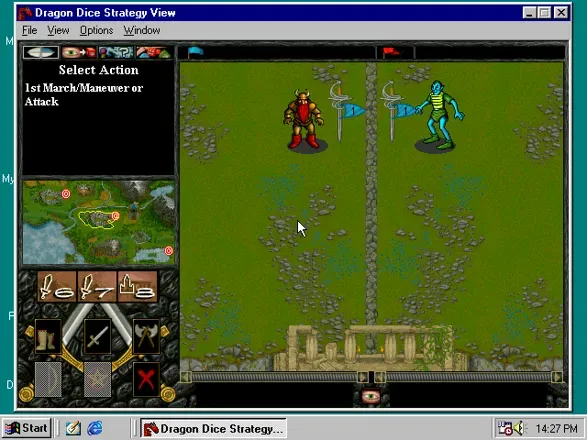
On Windows, the game translated the tabletop premise into a turn-based digital framework that emphasized faction selection, unit statistics, and tactical conquest rather than real-time action. The visual presentation and interface were built for late-1990s PC hardware, and the adaptation is repeatedly described as faithful to the source material’s mechanics, including the capture-based victory condition.
Collector’s Value & Rarity
Dragon Dice is not generally treated as a high-circulation collector’s centerpiece, but it has recognizable appeal among fans of obscure licensed strategy games and TSR-related adaptations. Market listings and preservation sites suggest modest availability rather than extreme scarcity, with copies appearing in retro PC resale channels at relatively accessible prices.
Physical-release notes indicate a standard CD-ROM PC package, and one source specifically mentions that the US release includes a dice, which is the most distinctive collateral detail tied to the retail edition. Regional and distribution notes are less consistently documented than the core game itself, so the most reliable collector distinction is the presence of original packaging and any included physical extra tied to the tabletop theme.