
Overview
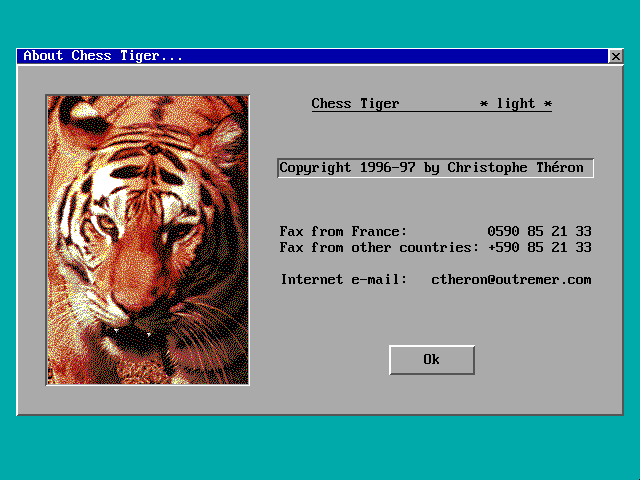
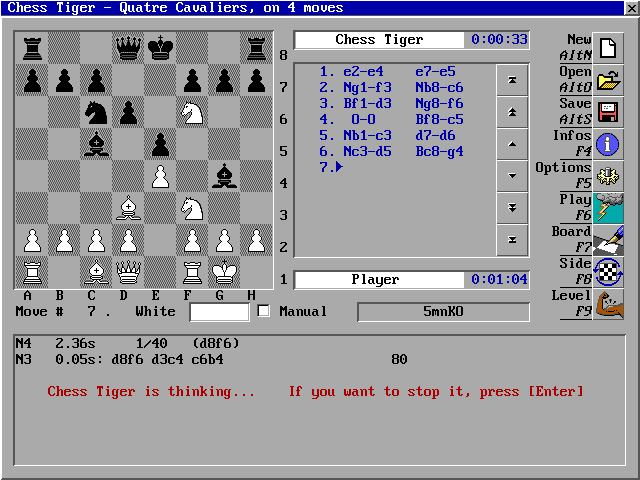
Developed in 1996 by Christophe Théron, this strategy-based video game captured the interest of chess enthusiasts with its advanced gameplay and unique programming. Unlike conventional chess games of its time, it offered a sophisticated level of artificial intelligence that challenged players of all skill levels.
Gameplay
The game provided various modes to choose from, ranging from beginner to expert levels, ensuring an engaging experience for players at different stages of their chess journey. Each game was a fresh challenge, with the AI adapting its strategies to push players to improve their tactics and foresight.
Technical Aspects
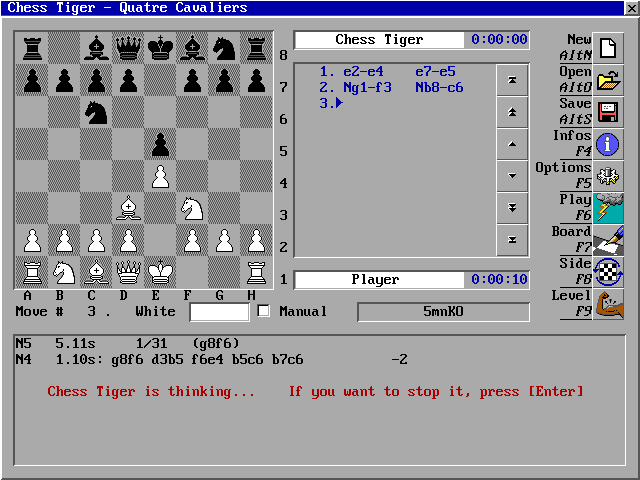
One of the key features was its impressive AI engine, which was designed to simulate human-like thinking and decision-making. The programming allowed it to analyze past games and continuously adapt, making each game feel unique. The GUI was simple and effective, prioritizing function over form, which was common for games from that era.
Historical Significance
As a 1996 release, it was produced during a period when computer chess games were becoming increasingly popular. The game’s advanced AI set it apart, making it a point of reference in discussions about artificial intelligence in gaming. It contributed to the rising interest in computational strategies and AI development in video games.
Reception
The game was recognized for its challenging AI and intuitive gameplay. It provided a solid platform for players who enjoyed strategic thinking, and it set a benchmark for future developments in the genre. Some retrospectives on chess games often cite it as a notable entry due to its innovative approach at the time.