

Historical Context & Trivia
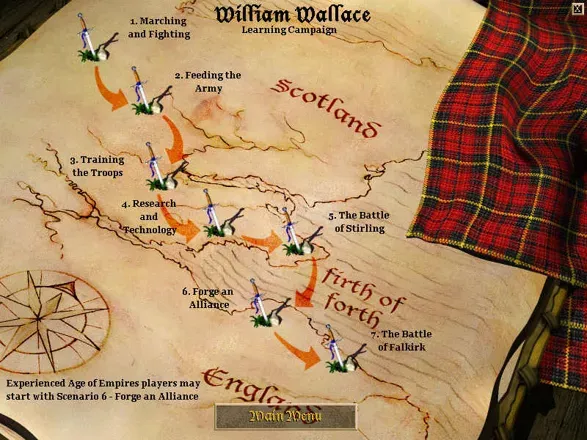
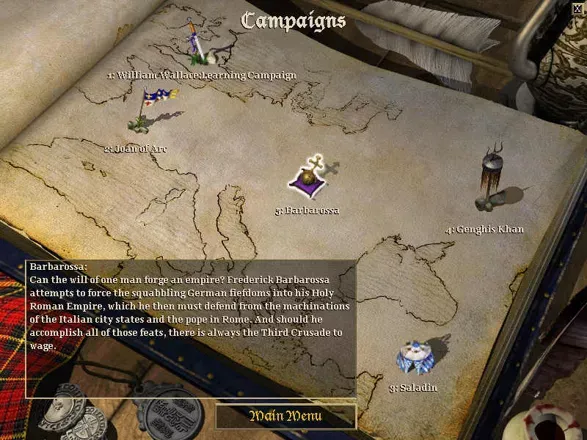
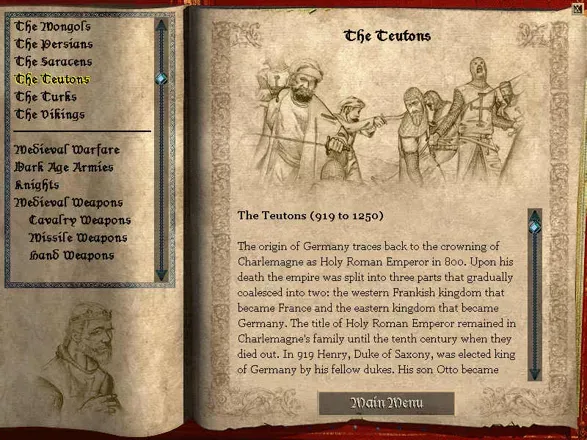
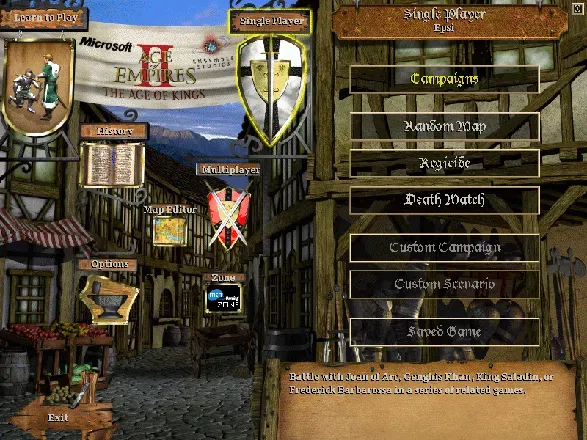
Age of Empires II: The Age of Kings was released in 1999 and is one of the defining historical real-time strategy games of the late 1990s, widely associated with the rise of large-scale, civilization-based RTS design on PC. It placed players in the Middle Ages and framed its campaigns around historical rulers, conflicts, and regional powers across Europe, the Middle East, and parts of Asia.
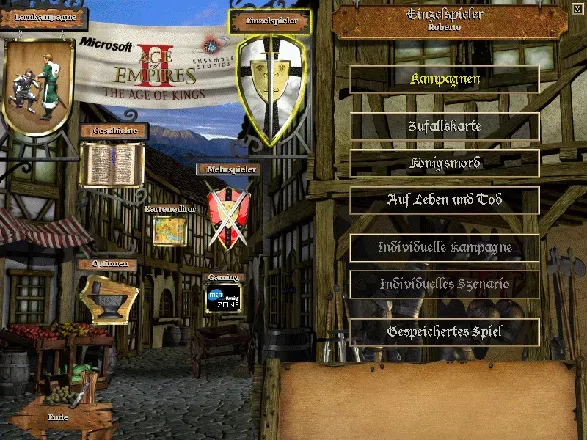
Ensemble Studios developed the game, and Microsoft published the Windows release; the title later appeared on Macintosh through MacSoft and on PlayStation 2 through Konami. It is the second main entry in the Age of Empires series and followed the original 1997 game with a broader, more refined historical scope and a larger set of civilizations.
Gameplay & Technical Features
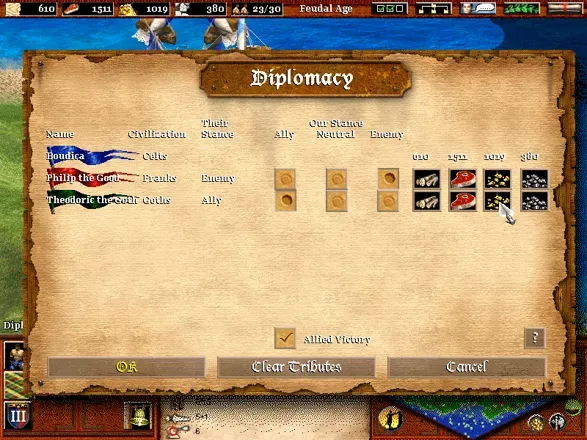
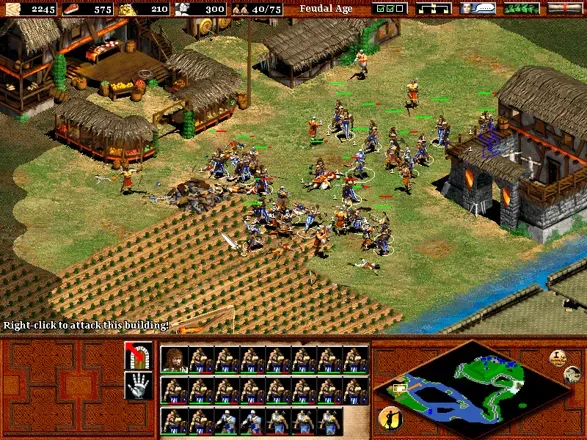
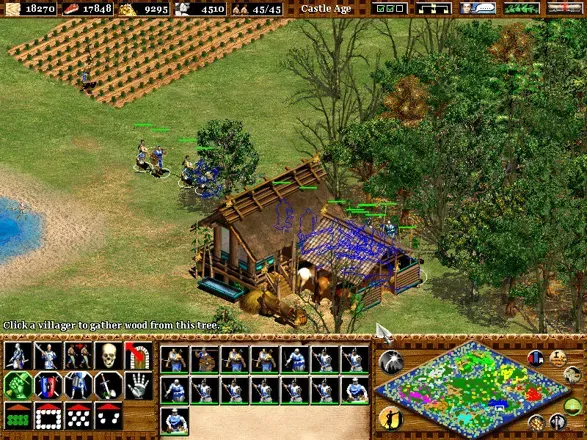
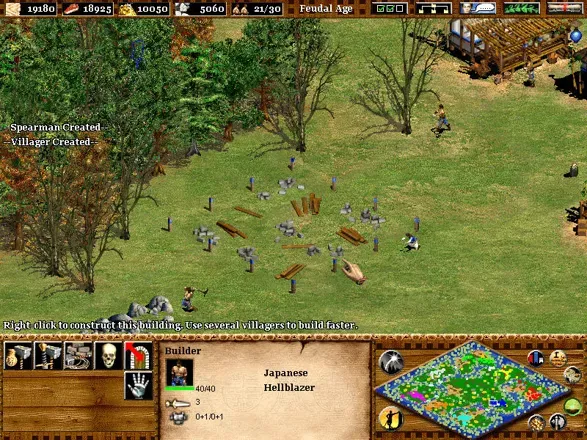
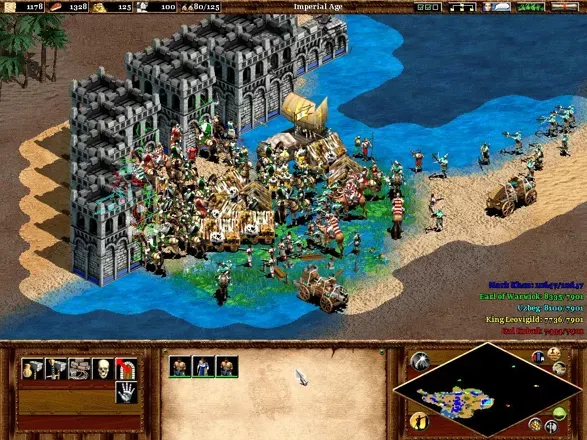
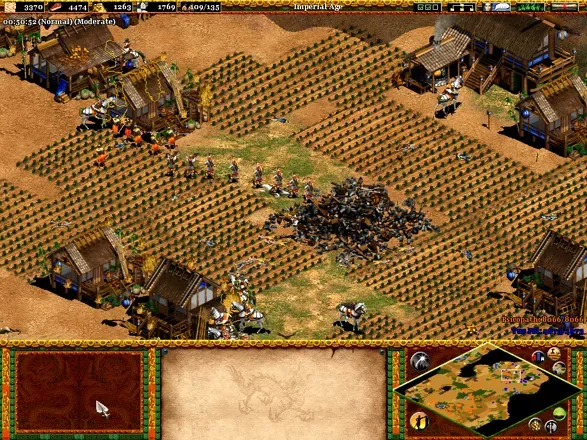
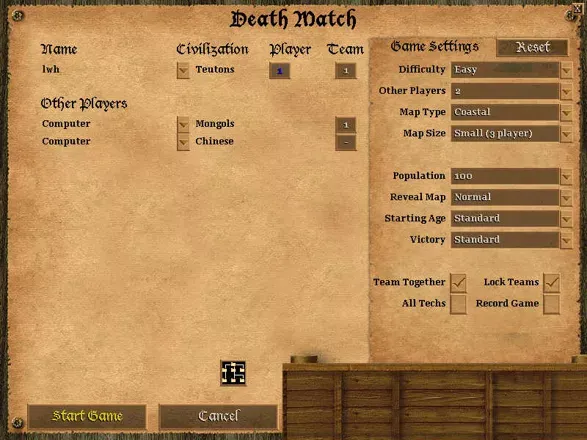
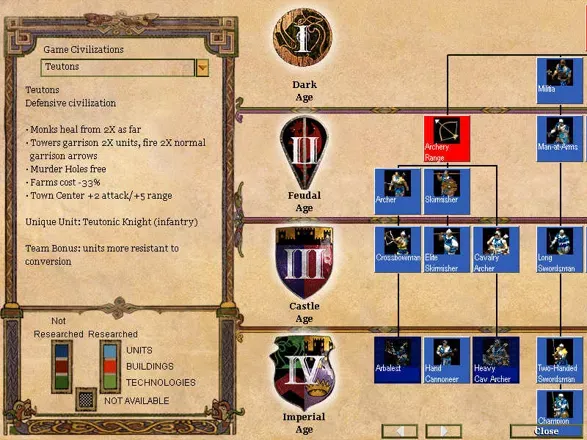
This strategy game uses real-time resource management, base construction, and army production, with players advancing through successive ages to unlock stronger technologies, units, and buildings. Its core structure centers on gathering resources, expanding settlements, and defeating rival civilizations through military and economic development.
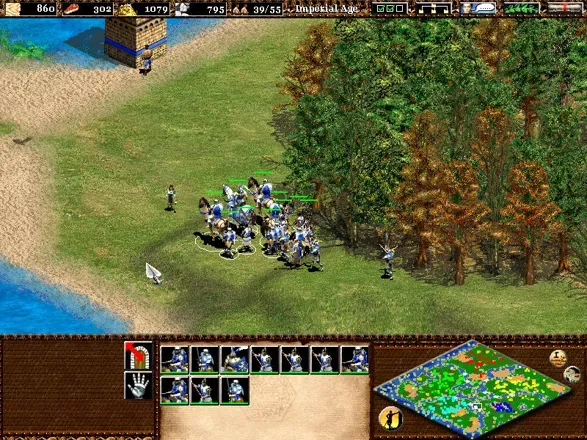
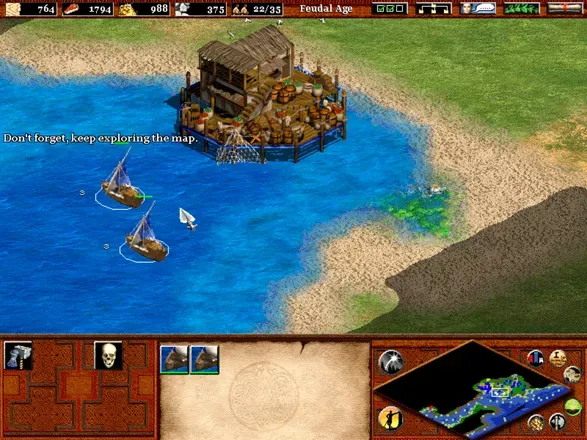
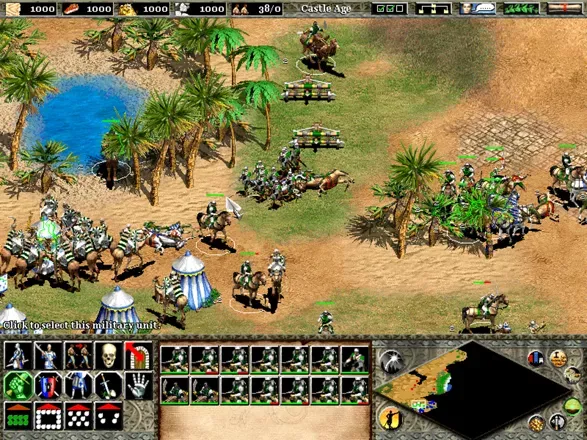
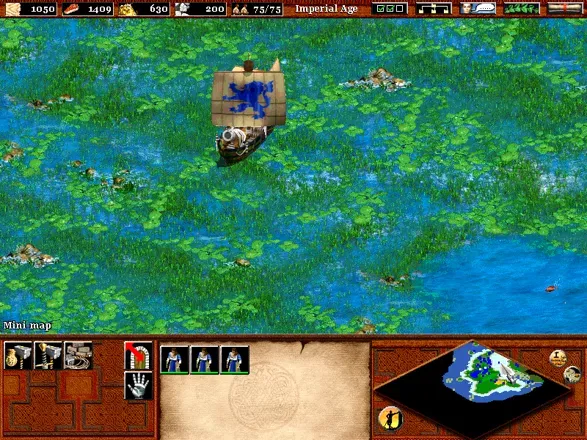
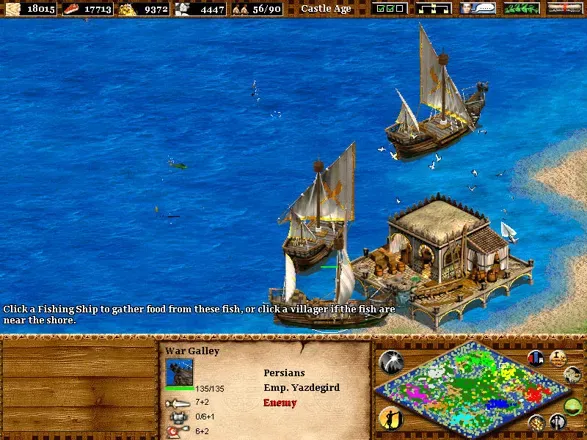
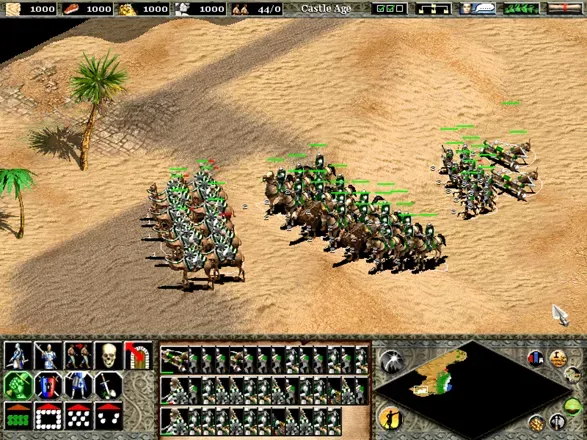
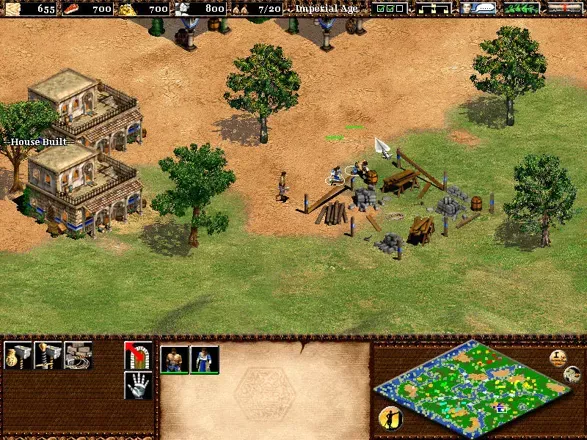
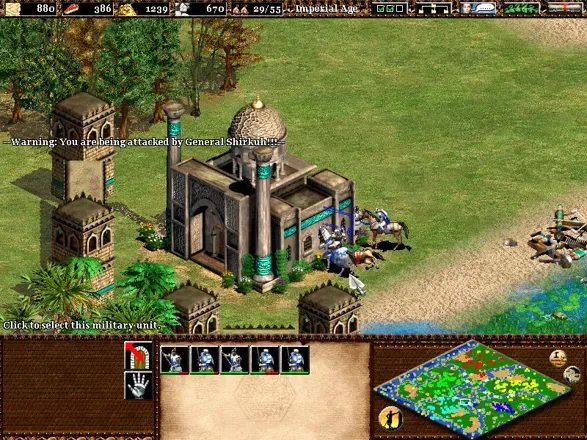
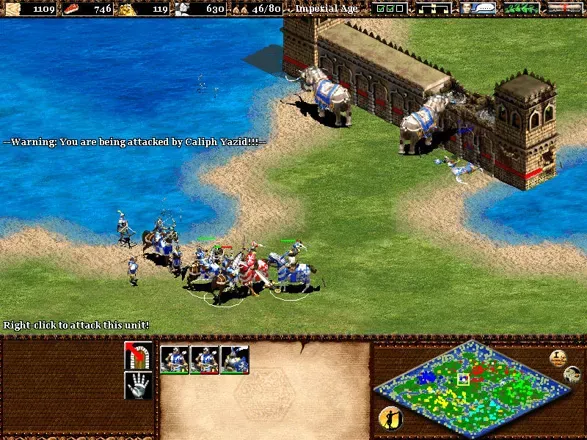
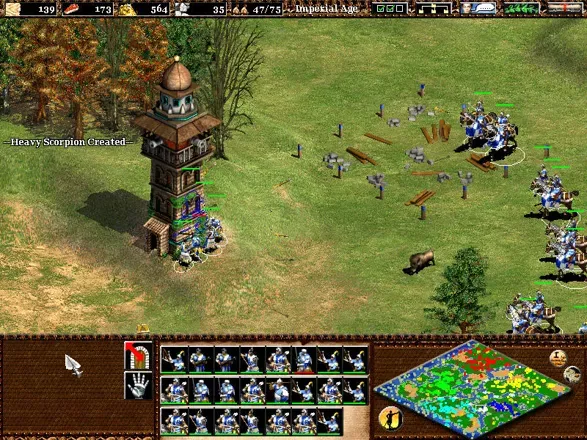
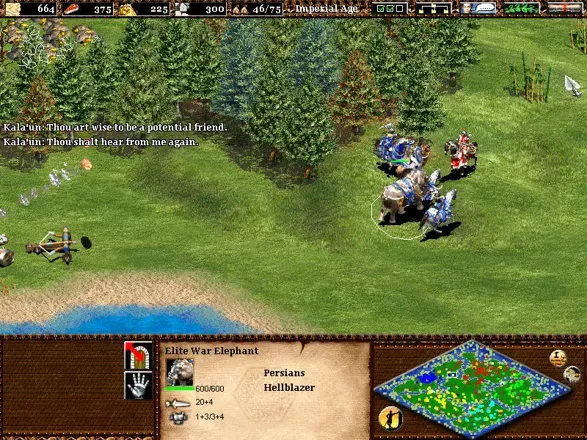
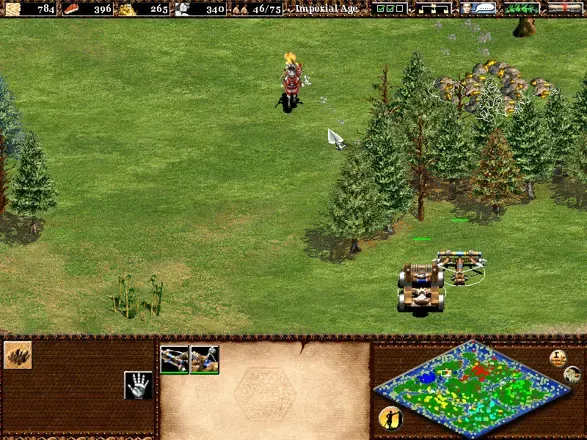
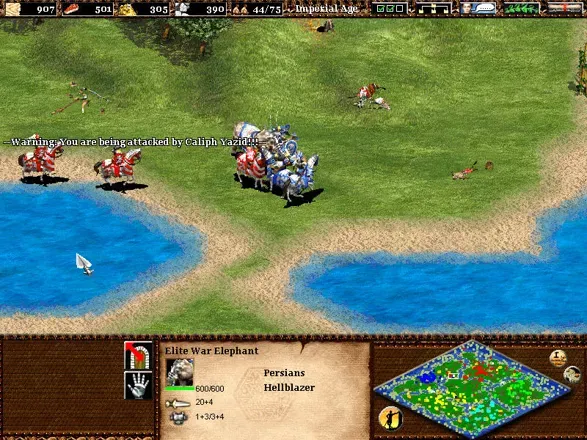
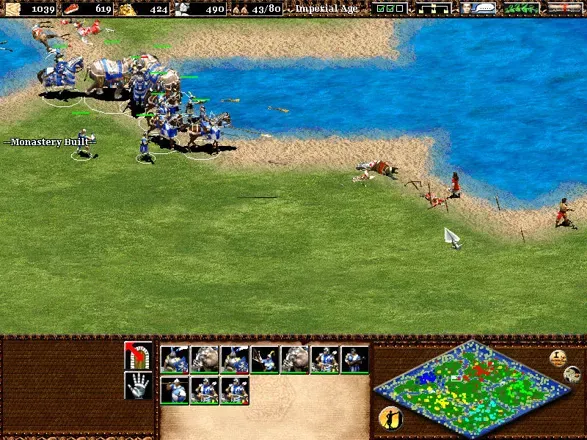
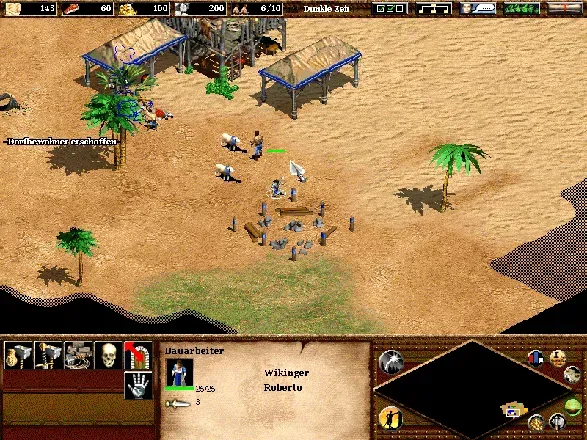
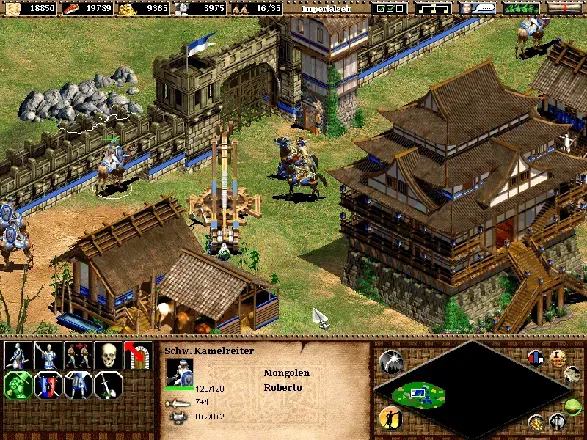
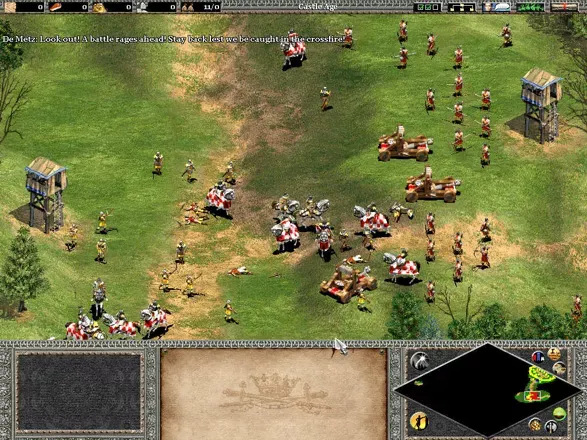
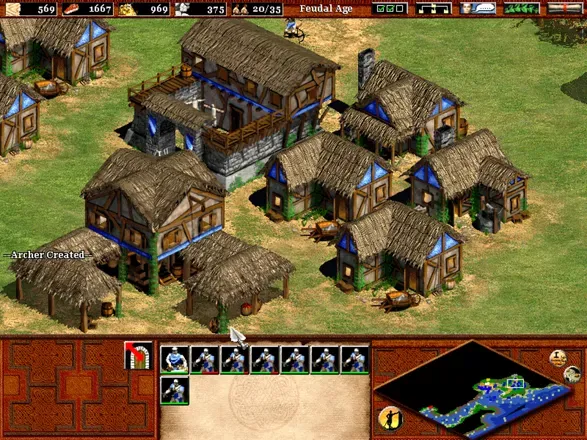
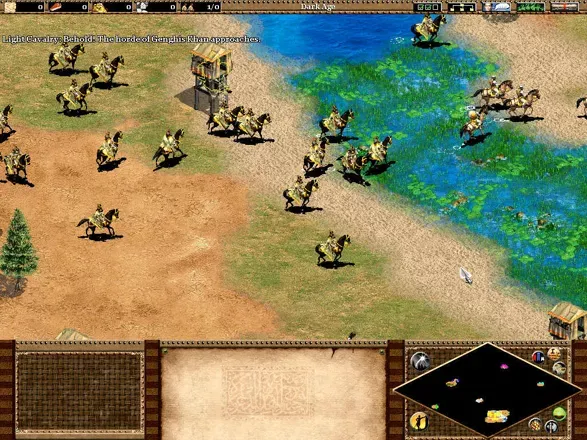
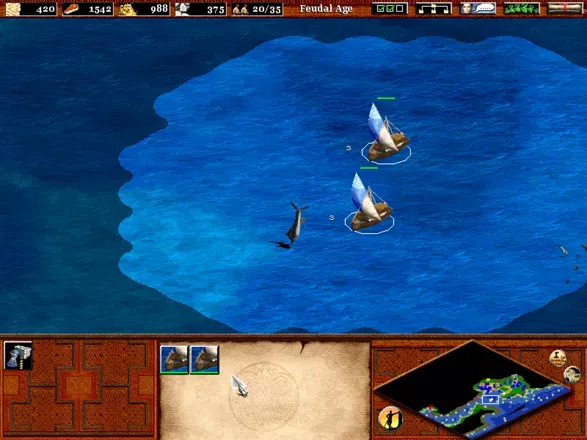
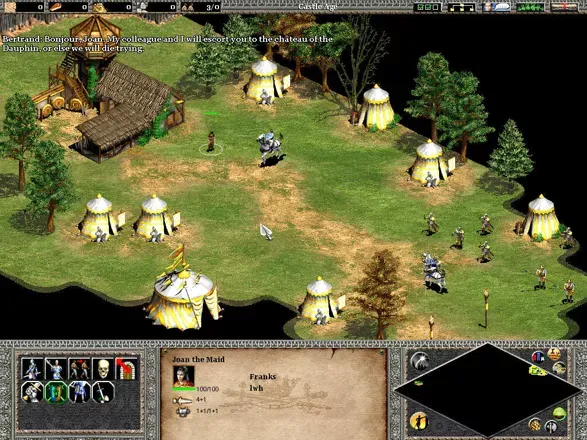
On Windows, the game used the Genie Engine and presented its action from an isometric, bird’s-eye perspective with sprite-based visuals. The design was tuned for mouse-driven control, multiplayer play, and a clear historical interface that made the game readable even during large battles and economy-heavy matches.
Collector’s Value & Rarity
The original Windows 1999 release is a major preservation item because it belongs to a landmark PC strategy series and has enduring demand among collectors and RTS historians. Standard retail copies are not especially rare, but complete boxed editions remain more desirable than loose discs because of long-term interest in the franchise and the era’s packaging.
Collector interest is strongest when the set includes the original manual, inserts, and any region-specific retail materials tied to the Microsoft or Konami releases. Macintosh and PlayStation 2 editions add cross-platform variation, while boxed Windows copies are typically the most sought-after format for preservation and display.