

Introduction
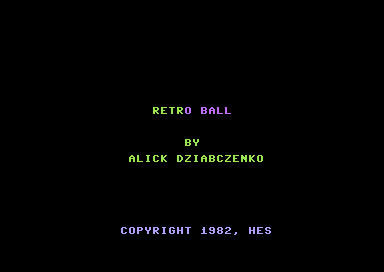
In 1982, a simple yet engaging video game was released that significantly contributed to the arcade gaming era. Designed with minimalistic graphics and straightforward gameplay mechanics, this game quickly gained popularity among both young and old gamers.
Gameplay Mechanics
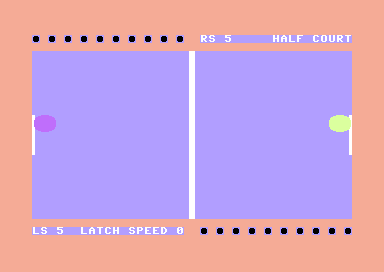
The game offers a classic arcade experience, requiring players to control a paddle to keep a ball bouncing on the screen, preventing it from falling off the play area. As the ball hits targets, players earn points, with the objective of achieving the highest score possible. The levels increase in difficulty, demanding quick reflexes and strategic paddle movements from players.
Historical Significance
Although it may not have become as iconic as some of its contemporaries, the game holds its place in gaming history for adding a unique twist to the then-popular brick-breaking genre. It demonstrated the potential of simple gameplay to provide an addictive experience, laying groundwork for future games that would adopt and expand upon its mechanics.
Development Insights
Developed by a small team passionate about pushing the boundaries of existing arcade technology, the game made efficient use of limited hardware capabilities. Its development is often cited as an example of how creativity and innovation can thrive even with technological constraints.
Legacy
The game’s enduring appeal is evident as it continues to be referenced and celebrated in various retro gaming circles. Enthusiasts appreciate it not only for its nostalgic value but also for its contribution to the evolution of the gaming landscape during the early 1980s.