





Historical Context & Trivia
Body Slam Wrestling is a 1995 DOS wrestling title that sits in the mid-1990s wave of PC sports games built around fast arcade-style action rather than simulation depth. The available evidence points to a budget-era release with a compact footprint and a distribution path tied to Merit Studios, Inc., making it more of a niche catalogue item than a widely documented mainstream sports game.
Historical documentation on Junkyard is limited in the material provided, so the safest validation is that the game existed as a DOS wrestling release associated with that developer name and with a version identifier visible on disc media. The descriptor BODYSLAMV2 suggests at least one revised build, which is useful for preservation research but does not by itself confirm the scope of changes.
Gameplay & Technical Features
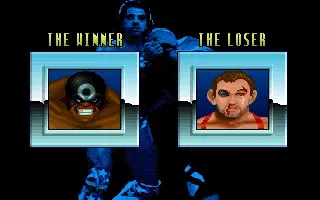
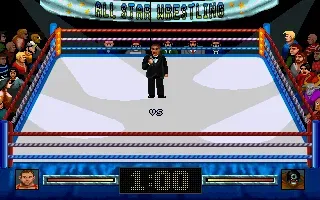
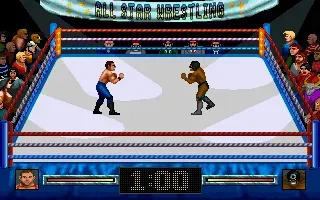
Body Slam Wrestling belongs to the Sports genre and, by title and catalog notes, is centered on pro wrestling-style matches with action-first pacing. The surviving record classifies it as both Action and Sports, which fits a design focused on grapples, pins, and ring combat rather than statistical management or licensed federation simulation.
On DOS, the game was distributed on CD media and appears to be runnable directly from the disc, with a noted setup utility that can hang under automatic sound detection in DOSBox. That detail indicates a typical mid-1990s PC audio configuration workflow, likely built around manual adjustment for compatibility across contemporary sound hardware.
Collector’s Value & Rarity
As a preserved DOS title with limited public documentation, Body Slam Wrestling has interest primarily for collectors focused on obscure PC sports games and archive completeness rather than broad commercial demand. Its value is tied less to fame and more to survival status, version tracking, and the fact that it is documented in disc-level preservation notes.
The most concrete physical clue is the CD-ZIP preservation record and the disc label string BODYSLAMV2, which may indicate a later revision or rerelease variant. No packaging, manual, or regional differences were confirmed in the supplied material, so any collector assessment should stay centered on the CD release and its verified software identity.