

Overview
Released in 1999 by Laminar Research, this flight simulator introduced significant advancements in realistic flight simulation experiences. It was part of an ongoing series that aimed to provide aviation enthusiasts with a highly detailed and immersive flying experience.
Gameplay and Features
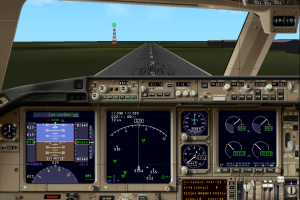
The simulator offered a wide array of features that were innovative at the time. It included an extensive library of aircraft, ranging from small general aviation planes to large commercial jets. The flight dynamics were notable for their realism, thanks to the use of blade-element theory, which calculated aerodynamic forces dynamically rather than relying on predefined tables.
Technical Achievements
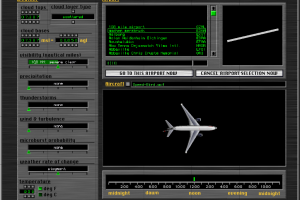
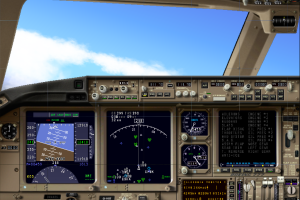
At a time when computing resources were comparatively limited, the simulator leveraged advanced graphics capabilities to deliver an impressive visual experience. Realistic weather modeling and a detailed model of the Earth’s topography added to the depth of the simulation. Users had the option to customize these environments, enhancing the overall experience.
Historical Context
Launched at the turn of the millennium, it played an important role in popularizing flight simulators amongst users seeking more than just arcade-style flying games. It set a benchmark in realism that would influence later iterations of the series and inspire the development of other flight simulation software.
Legacy
This release helped to establish a dedicated community of flight simulation enthusiasts who valued the precision and flexibility it offered. It paved the way for future innovations by Laminar Research, contributing to the series’s ongoing popularity.