


Historical Context & Trivia
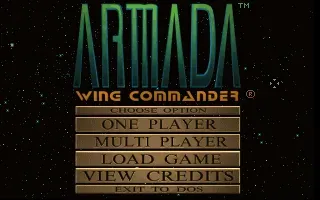
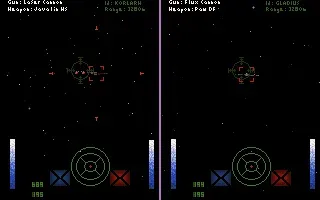
Wing Commander: Armada (1994) is a notable entry in the long-running Wing Commander universe, arriving during the series’ transition from pure space combat spectacle toward broader strategy-inflected design. As a DOS release, it extended the franchise’s reputation for cinematic presentation and faction-driven conflict while also standing out for adding multiplayer support to the official series lineage.
Origin Systems developed the game, with Electronic Arts handling publication for the primary DOS release; some regional release data also credits Dong Seo Interactive in distribution records. The title belongs to the core late-era Wing Commander catalog and reflects the franchise’s continued commercial and design importance in the mid-1990s PC market.
Gameplay & Technical Features
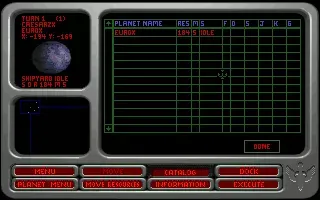
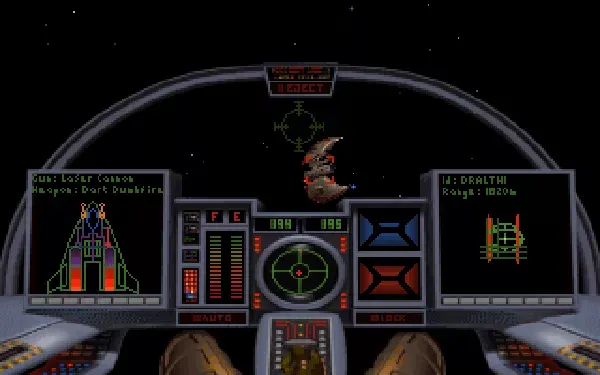
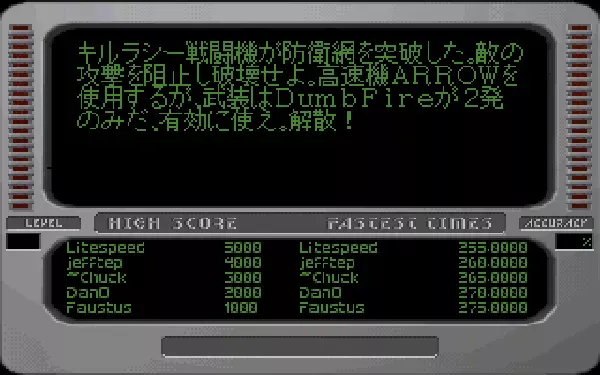
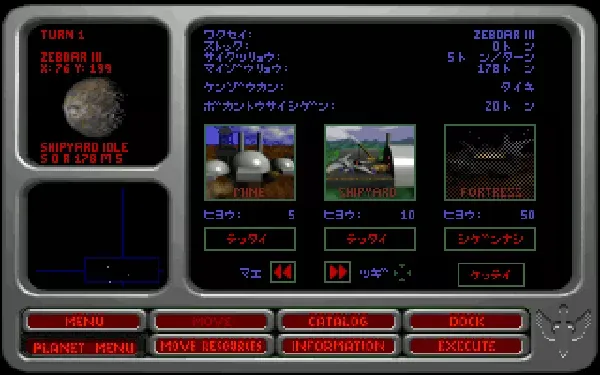
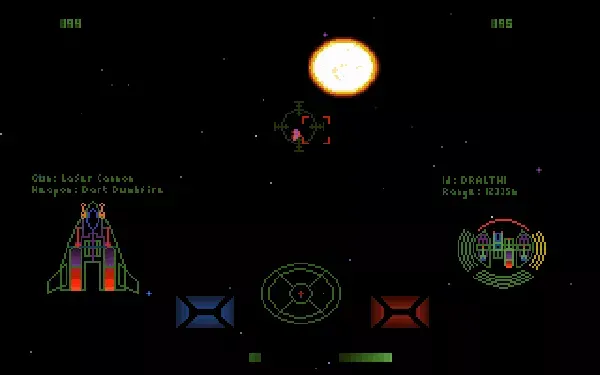
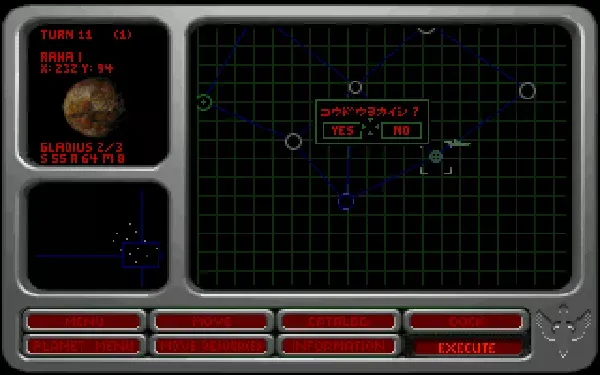
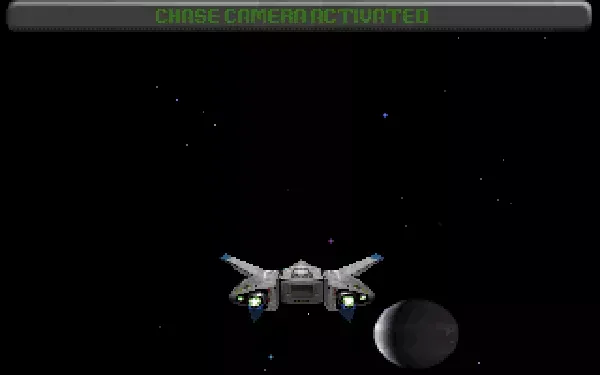
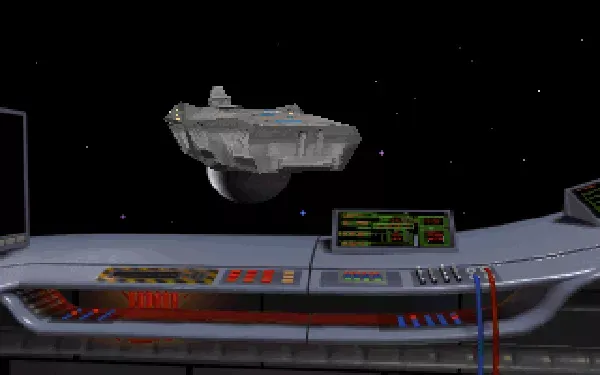
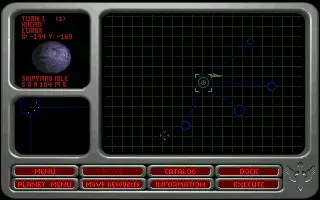
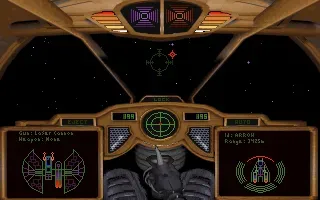
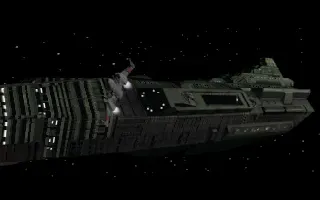
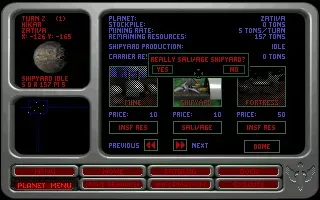
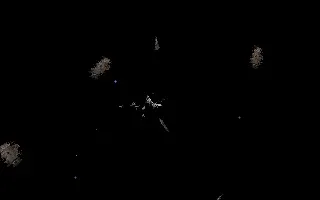
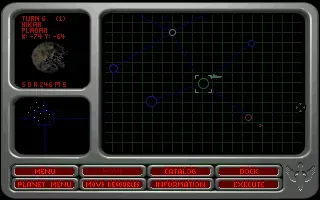
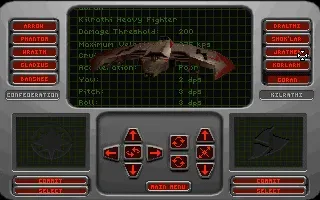
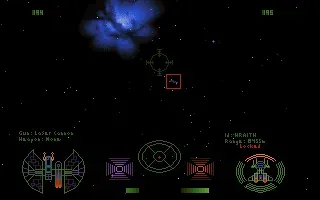
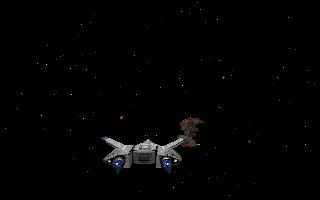
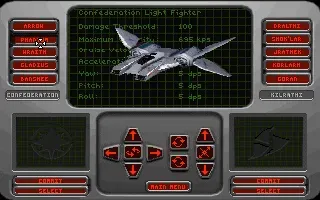
This space combat simulation blends tactical sector control with ship-to-ship dogfighting, giving it a structure that goes beyond straightforward arcade shooting. The player balances fleet movement, strategic positioning, and real-time combat encounters, which makes it feel closer to a hybrid of action and command-layer management than a purely linear shooter.
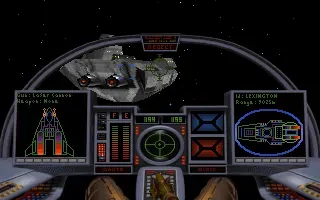
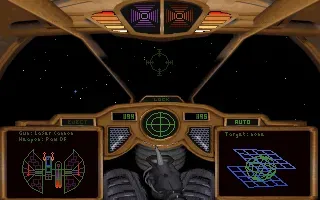
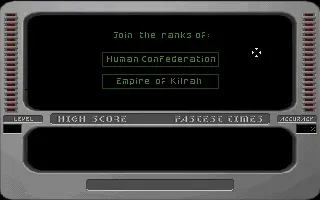
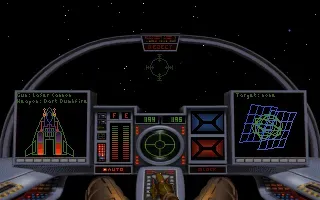
On DOS, the game was built around the PC’s strengths in mouse-and-keyboard control, EGA/VGA-era presentation, and flexible audio support typical of mid-1990s IBM-compatible systems. Its technical identity is tied to the franchise’s trademark cockpit-style interface, detailed sci-fi UI framing, and expansion of the series’ multiplayer possibilities within a home-computer environment.
Collector’s Value & Rarity
Wing Commander: Armada is not among the rarest DOS big-box games, but complete copies with original media and documentation still hold steady collector interest because it sits within a major franchise and was produced during the physical PC packaging era. Loose disks are relatively affordable, while complete-in-box examples command more attention from series collectors and preservation-focused buyers.
Desirable copies are usually identified by their big box packaging, original manual, and intact 3.5-inch disks; some listings also surface sealed or near-complete variants that attract a premium. Regional and distributor differences can appear in surviving copies, especially where alternate publishing or localization credits were used, making packaging details important for accurate identification.