




Historical Context & Trivia
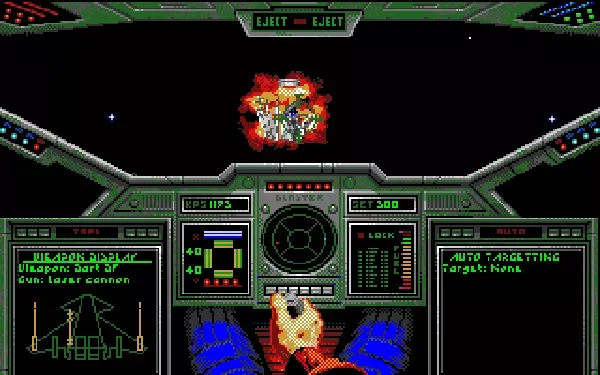
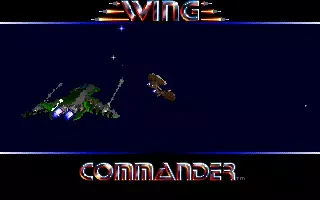
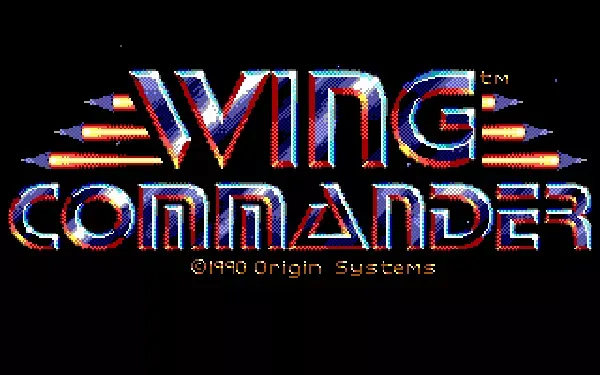
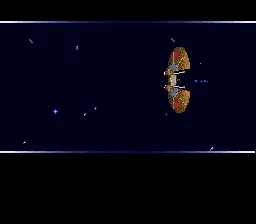
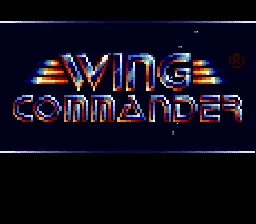
Wing Commander (1990) is a landmark science-fiction space combat game for DOS and the first entry in a long-running series. Contemporary retrospectives and database entries consistently describe it as a title that helped define the spaceship combat sim, with a cinematic presentation that set it apart from earlier PC action games.
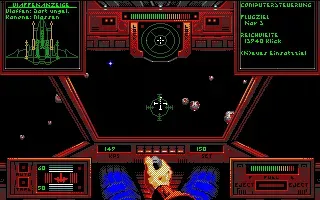
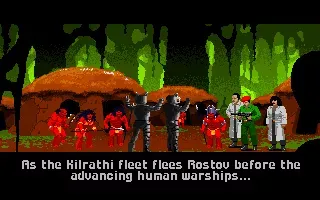
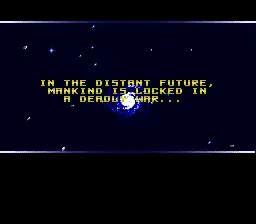
ORIGIN Systems, Inc. developed and originally published the game for MS-DOS, and later releases and ports expanded its reach across other platforms and regional publishers. The setting places the player in the Terran Confederation versus the Kilrathi, with a structure often summarized as “World War II in space,” reflecting its military-fiction tone and mission-based campaign design.
Gameplay & Technical Features
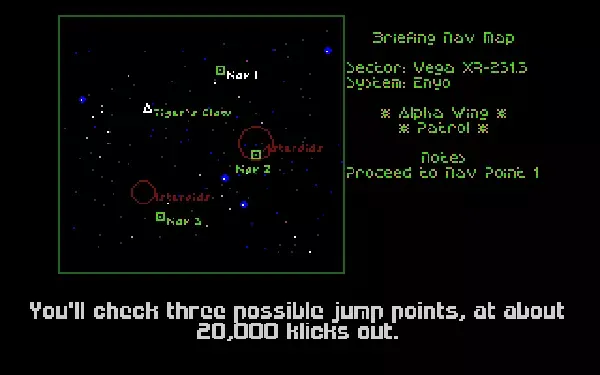
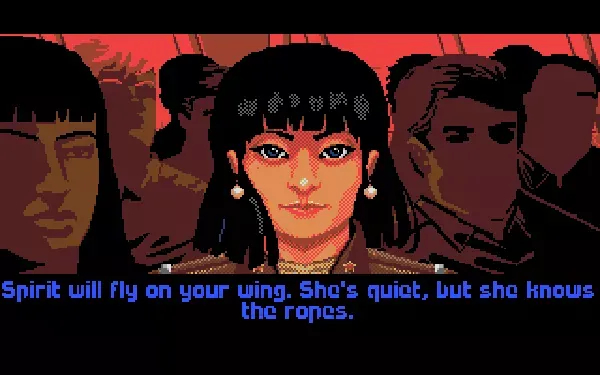
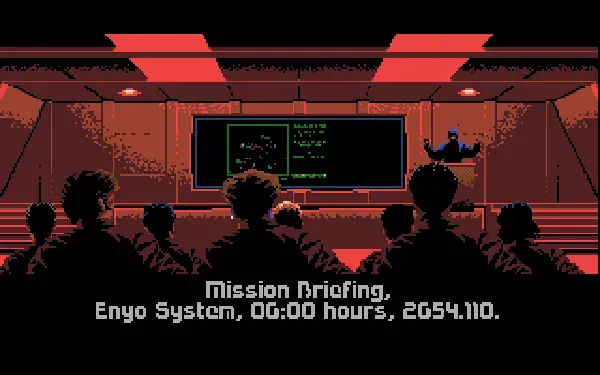
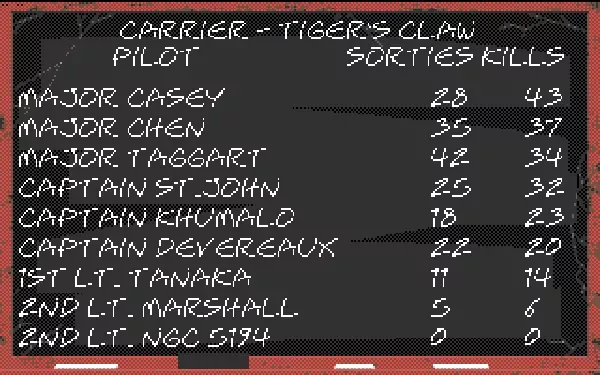
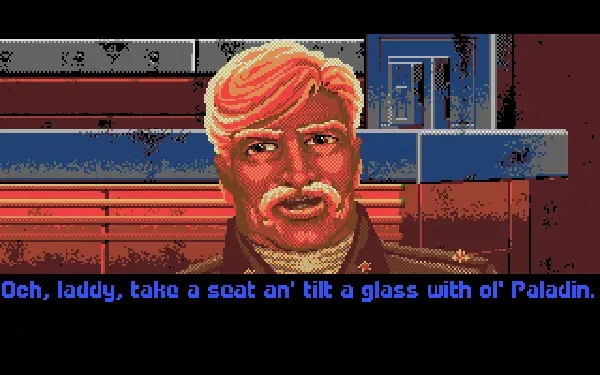
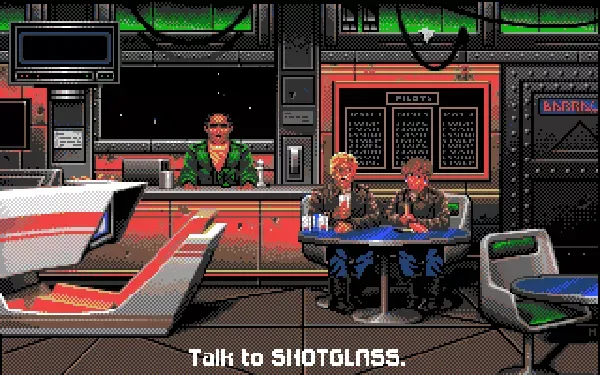
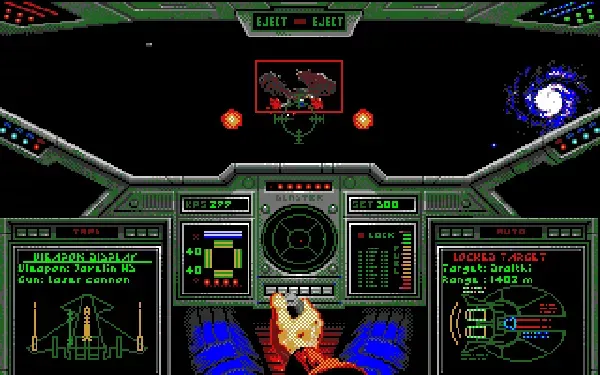
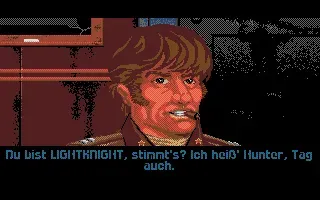
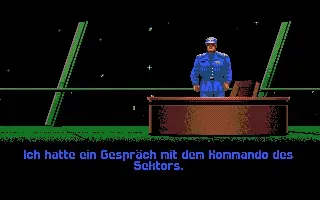
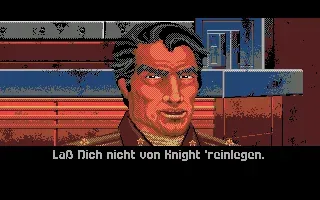
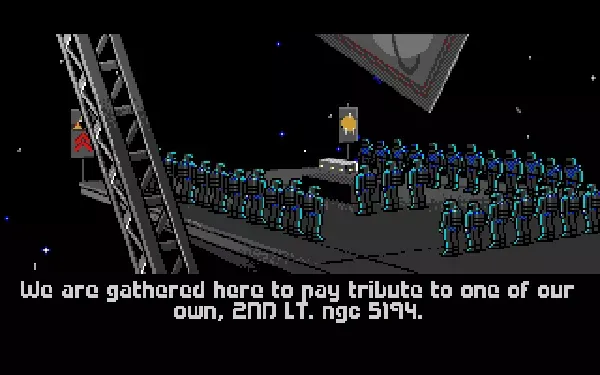
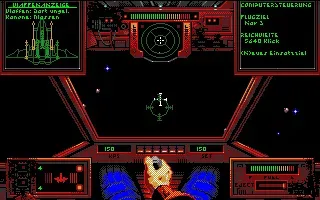
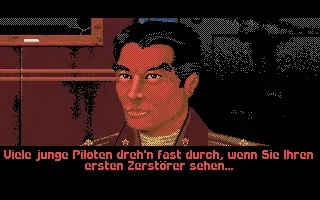
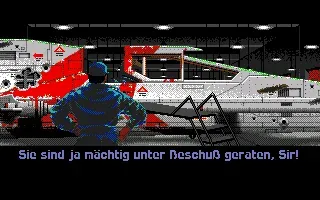
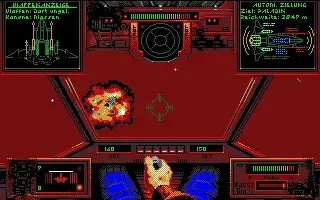
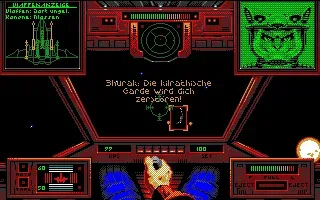
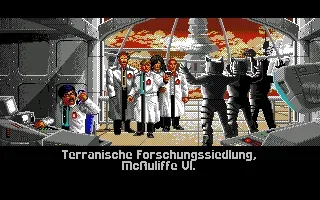
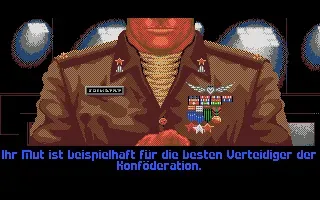
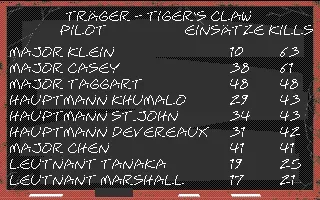
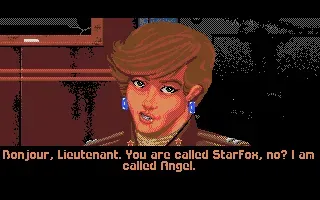
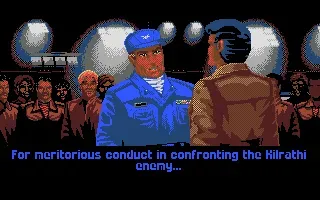
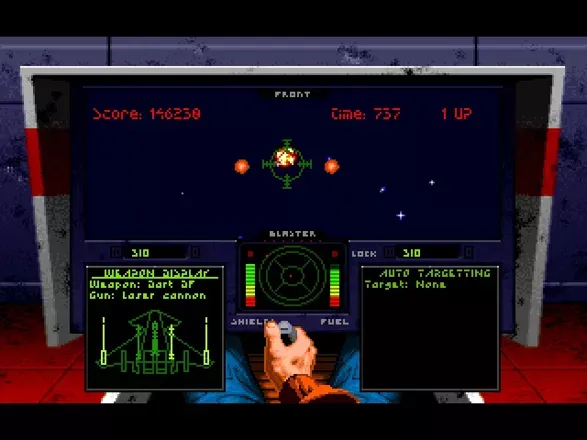
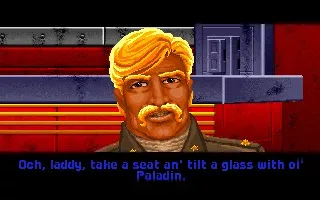
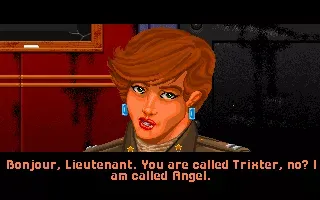
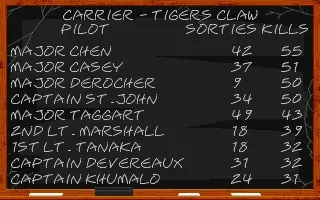
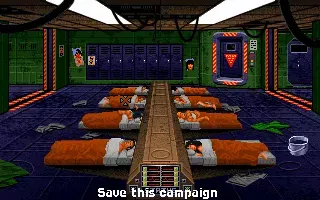
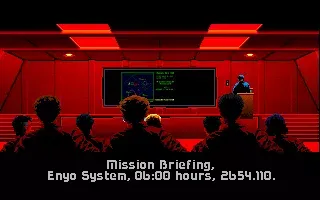
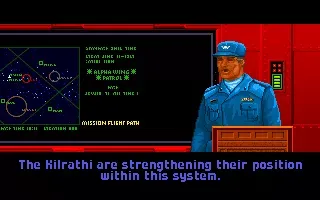
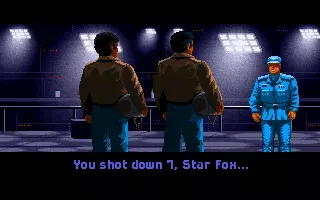
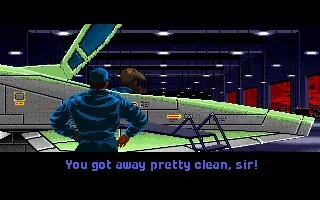
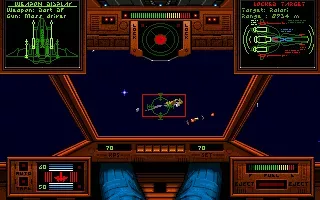
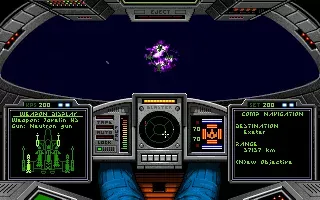
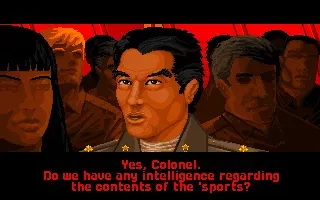
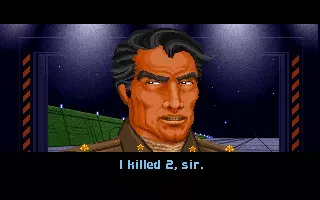
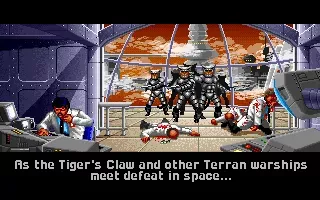
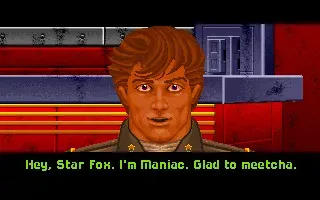
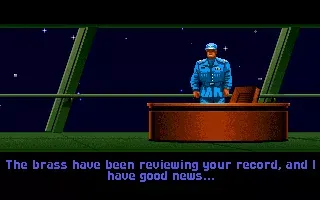
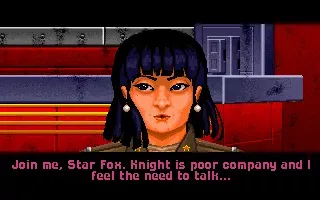
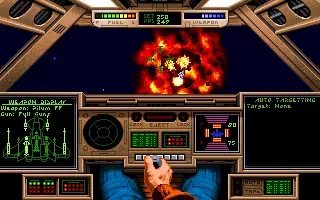
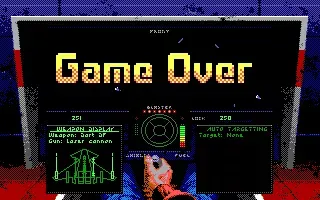
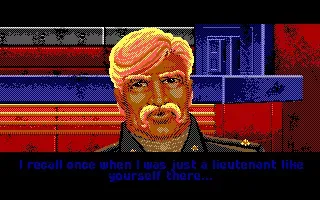
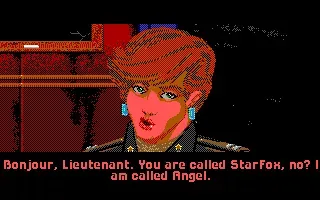
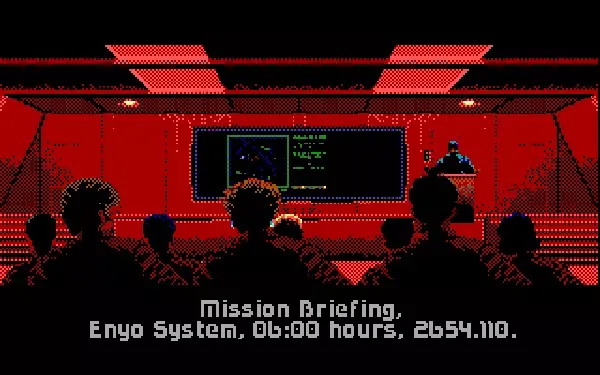
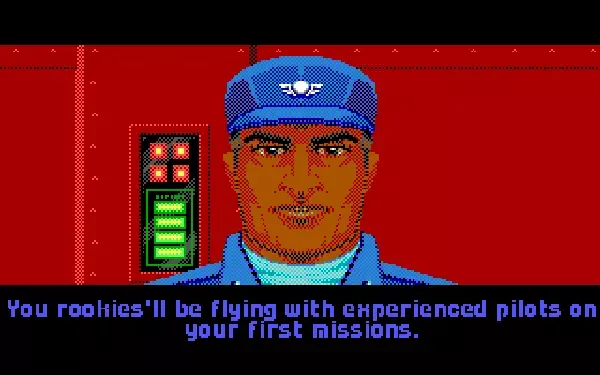
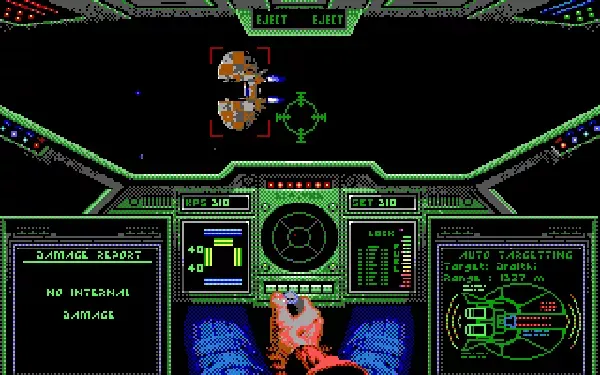
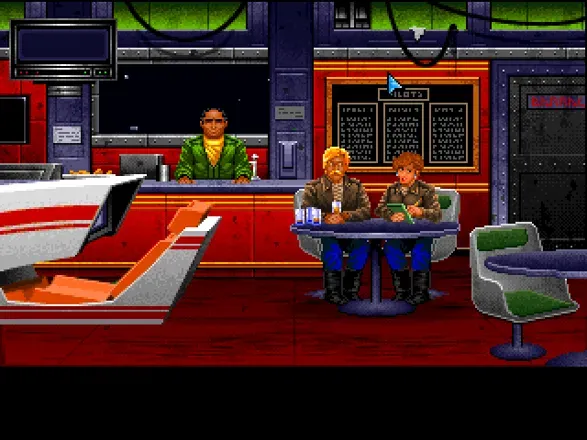
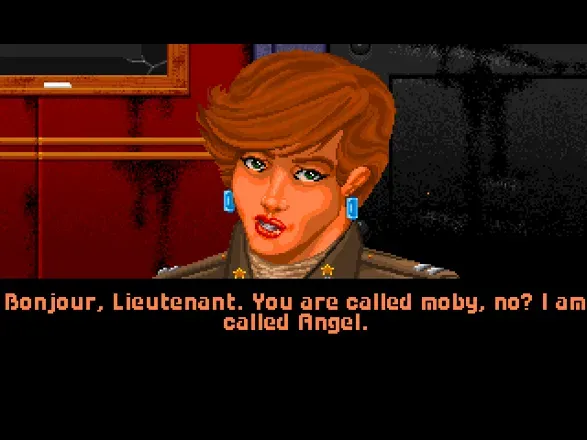
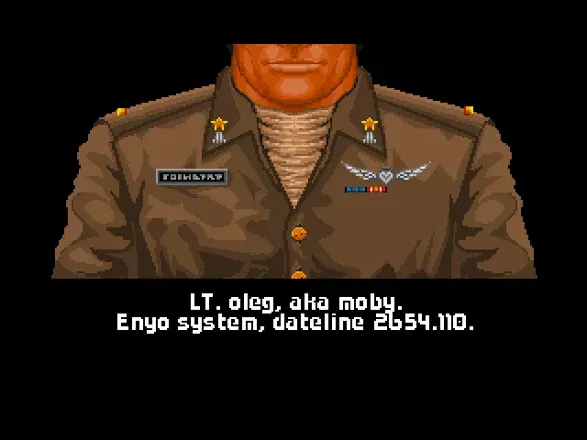
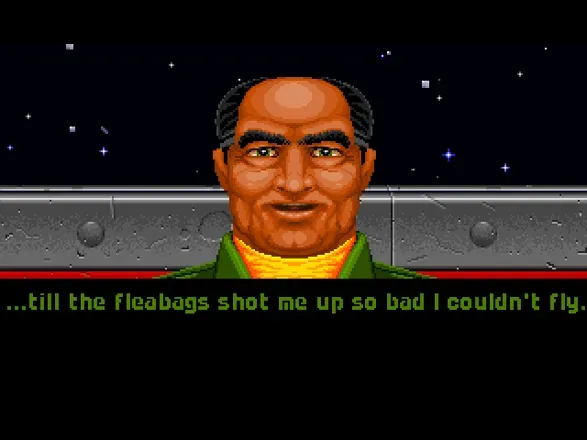
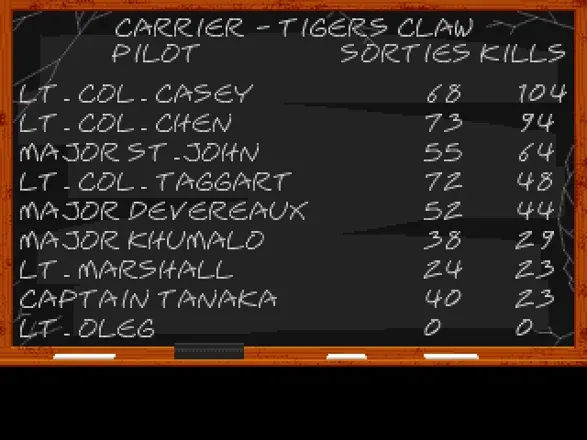
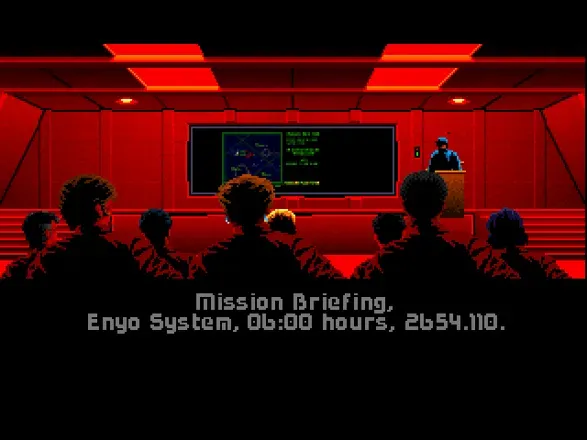
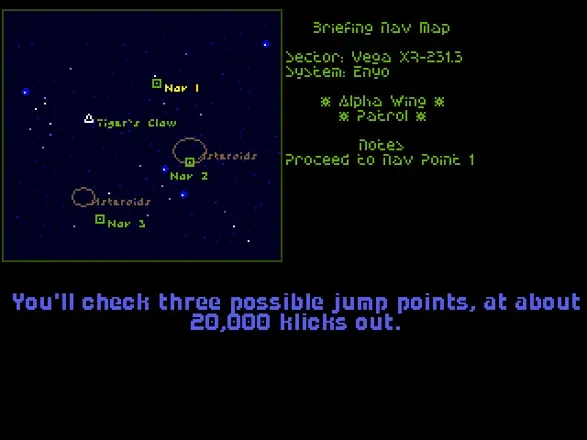
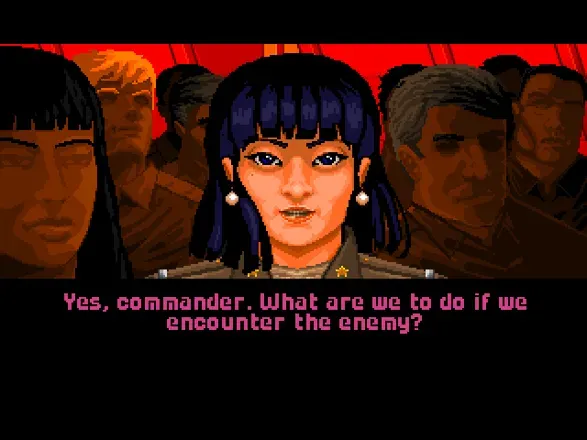
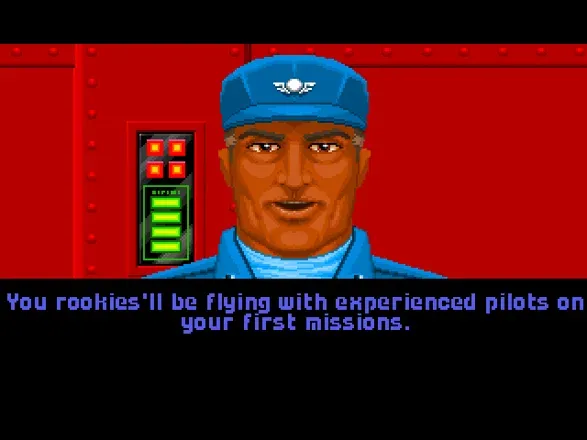
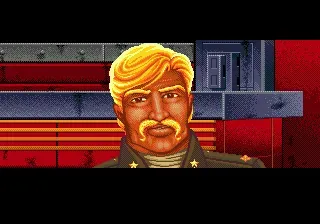
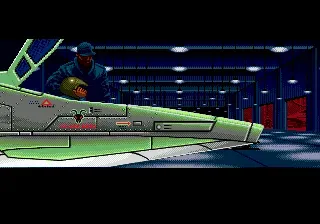
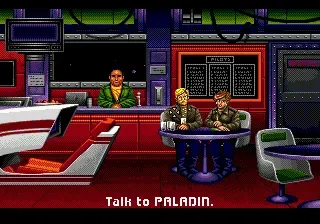
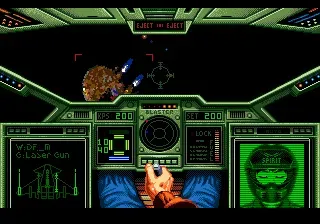
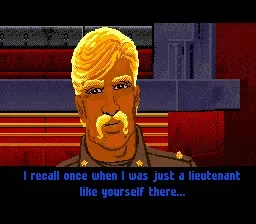
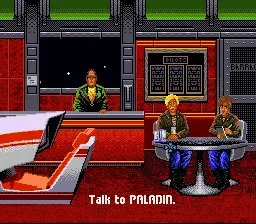
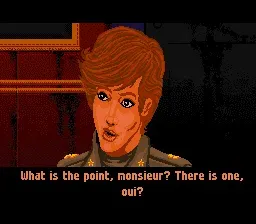
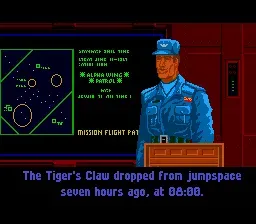
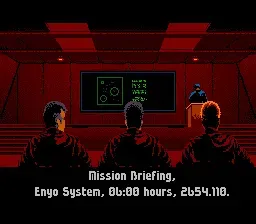
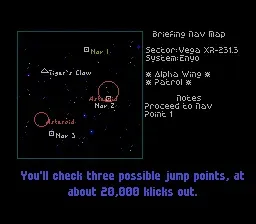
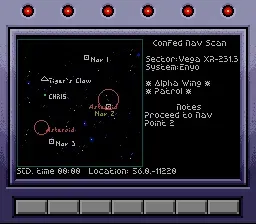
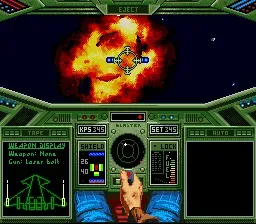
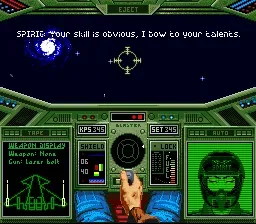
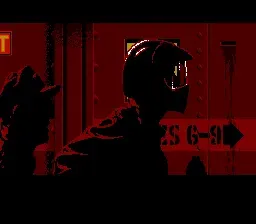
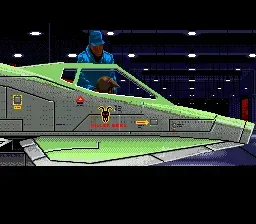
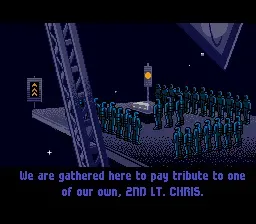
The core gameplay is an action-simulation loop of briefing, launch, dogfighting, and debriefing, with missions that typically involve patrols, escorts, and attack objectives. The game combines starfighter combat with narrative progression, including shipboard dialogue and branching outcomes that can affect the campaign’s course.
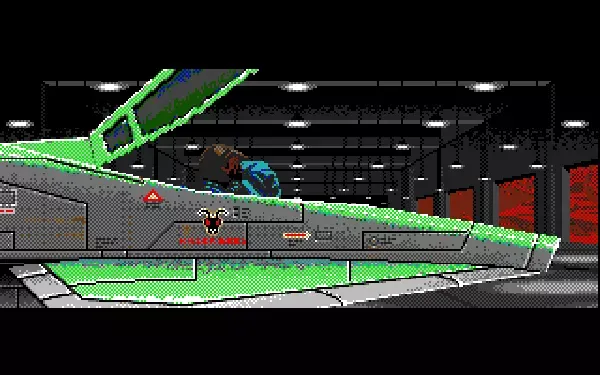
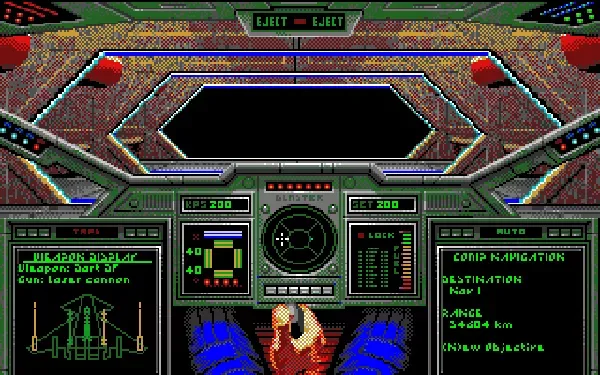
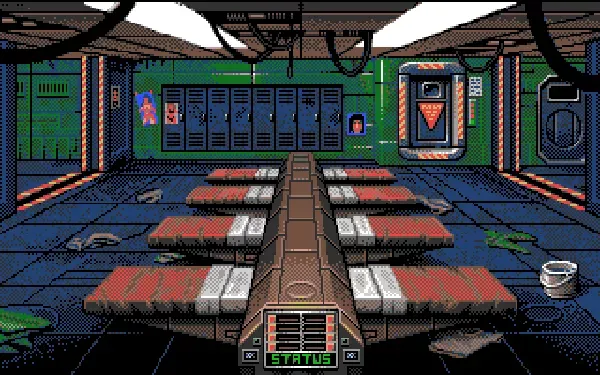
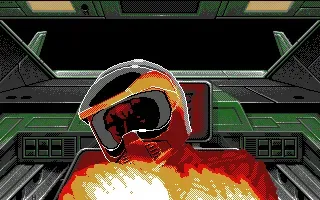
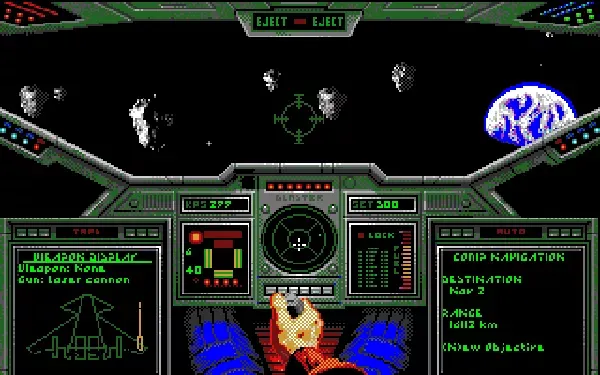
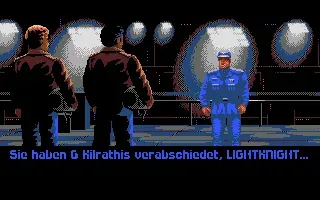
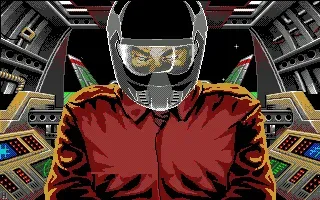
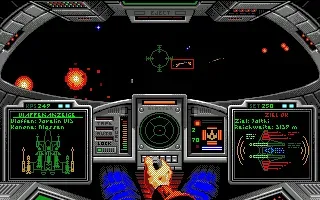
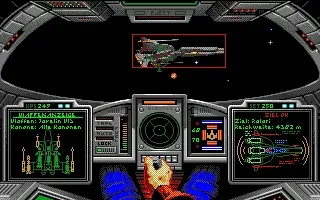
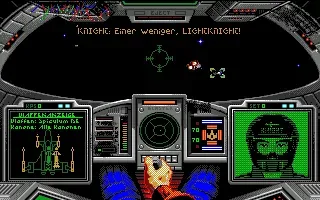
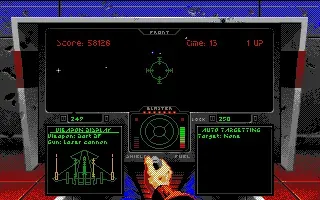
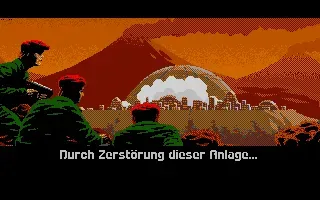
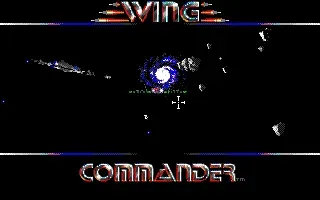
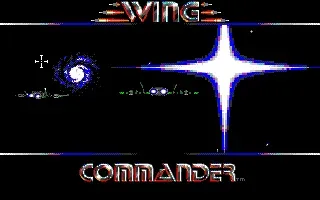
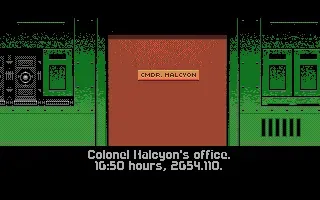
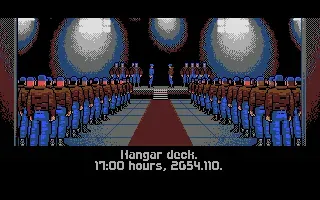
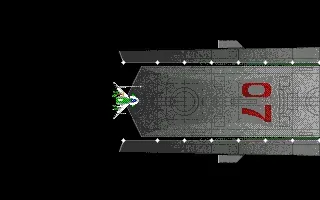
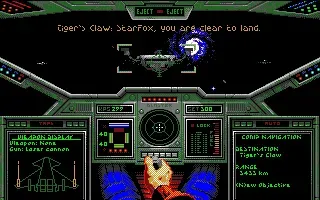
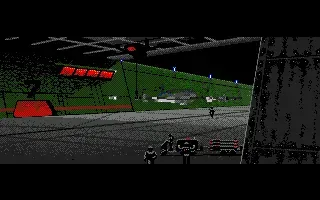
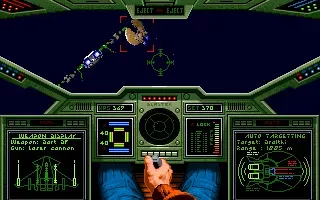
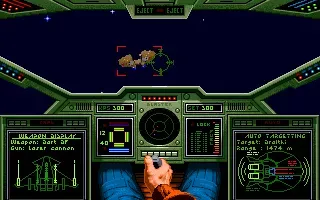
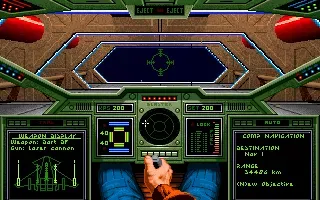
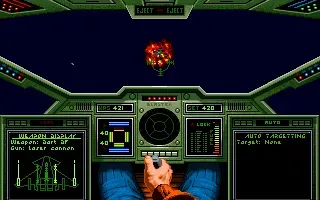
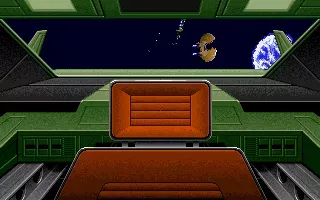
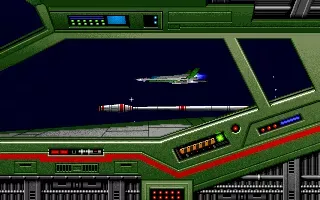
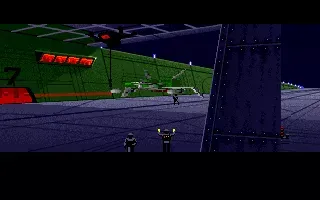
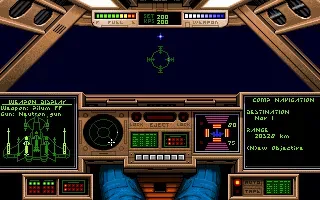
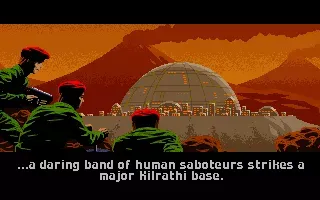
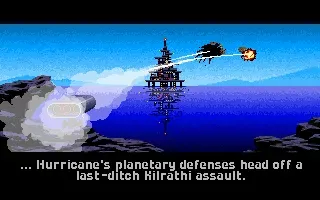
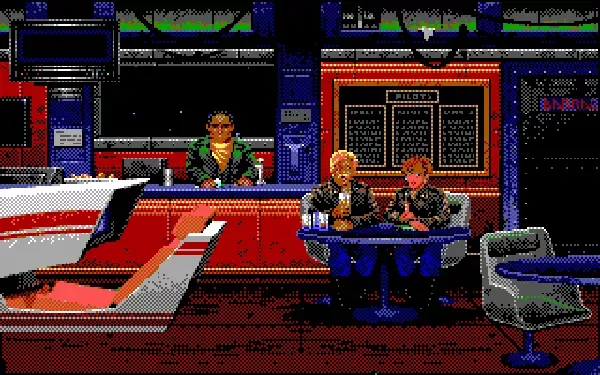
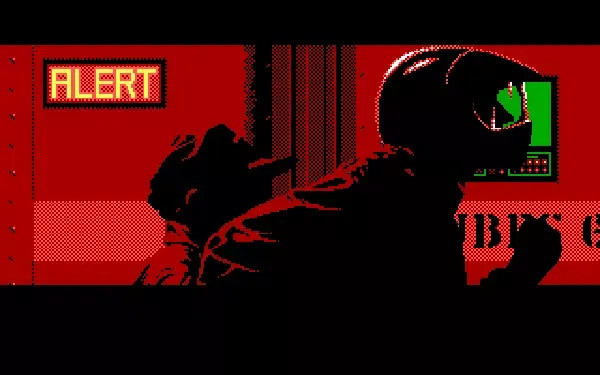
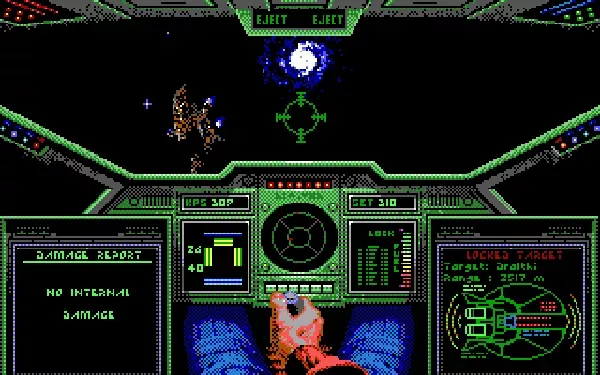
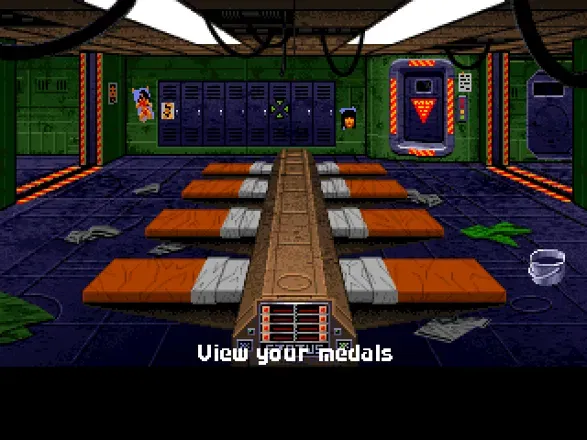
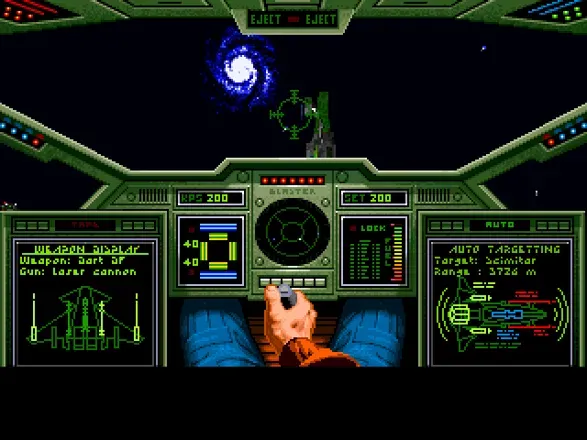
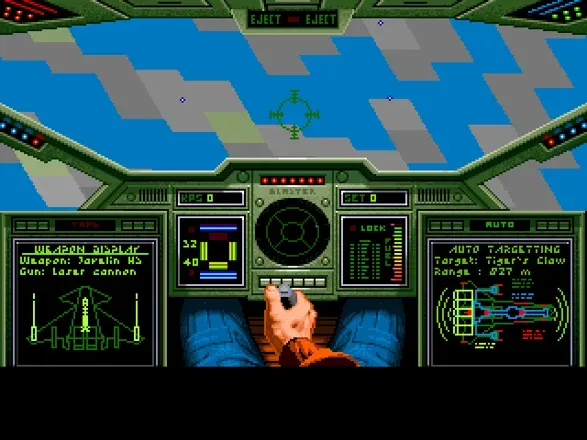
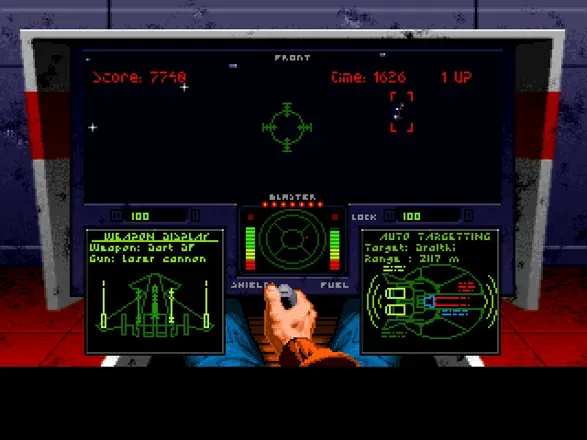
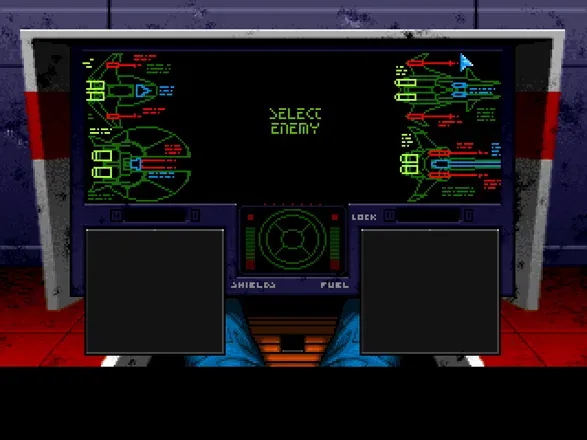
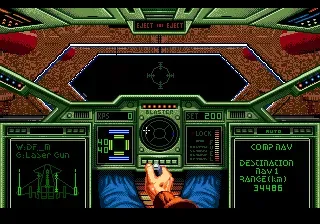
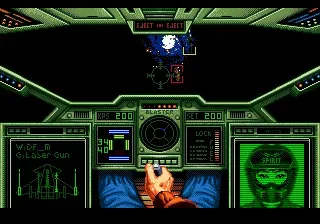
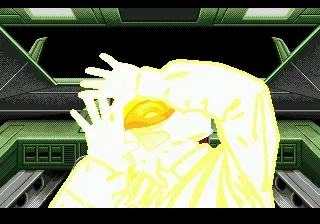
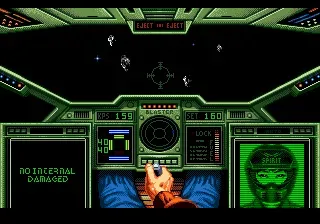
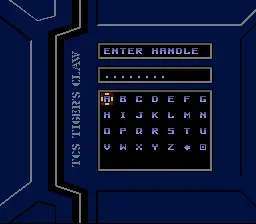
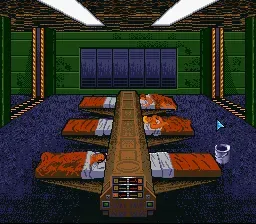
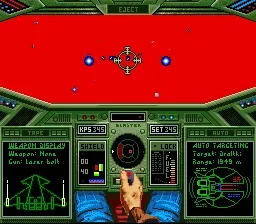
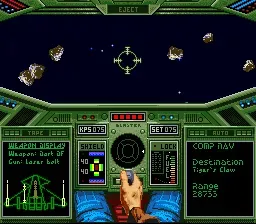
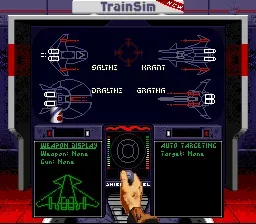
On DOS, the game used then-impressive VGA-era presentation, sprite-based 3D-style scaling, and cinematic mission framing to create a more immersive space-combat experience than many contemporaries. Sources also note a dynamic music approach and in-world interface elements, while the game’s instruction booklet, Claw Marks, was styled like an onboard ship publication to reinforce the fiction.
Collector’s Value & Rarity
As a widely recognized PC classic, Wing Commander is not generally treated as a rare software artifact in the same way as obscure one-off releases, but complete original sets remain desirable to collectors because of the game’s historical status and franchise significance. Preservation value is strongest for original DOS copies with their period-correct packaging and printed materials, since those elements are closely tied to the game’s identity.
Important physical collateral includes the Claw Marks manual/booklet and any release-specific packaging from regional publishers such as Mindscape, Fujitsu, ASCII, Ocean Software, and SEGA Enterprises, which reflect the game’s broad international distribution. Later ports and re-releases introduced variant packaging and platform-specific differences, so collectors typically distinguish between the original DOS edition and subsequent adaptations.