

Historical Context & Trivia
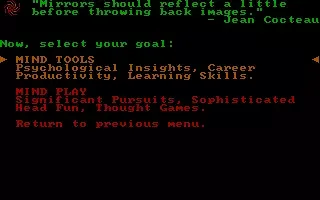
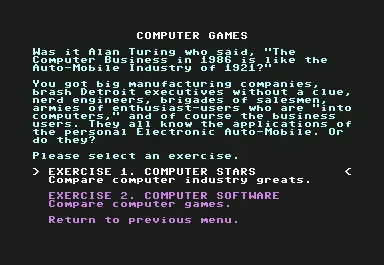
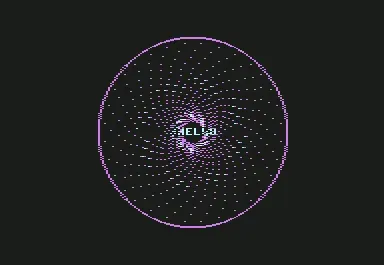
Timothy Leary’s Mind Mirror is a notable 1985 simulation released for the Atari 8-bit line during the era when experimental software often blurred the boundary between games, self-help, and interactive personality tools. It is widely associated with Dr. Timothy Leary and is described in contemporary and retrospective sources as a role-playing, psychometric-style program rather than a conventional action game.
The game was developed by Futique, Inc. and published for home computers by Electronic Arts; later distribution records also show Moon Books LLC tied to a modern reissue. Sources consistently place the original release on multiple platforms, including the Atari 8-bit, and describe the software as Leary’s only commercially released game project.
Gameplay & Technical Features
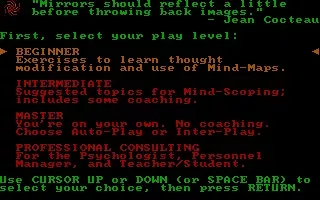
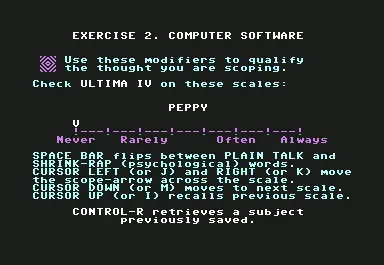
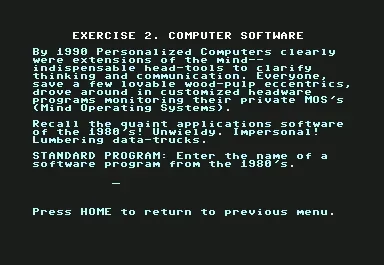
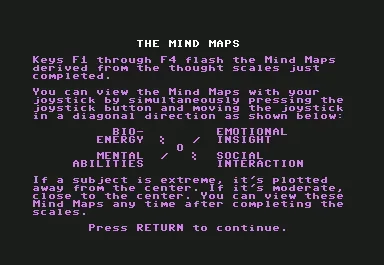
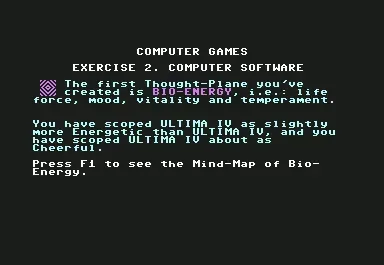
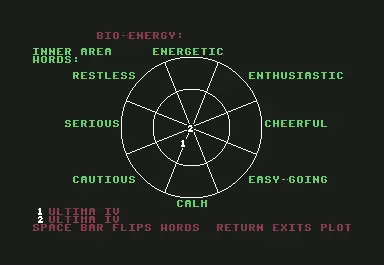
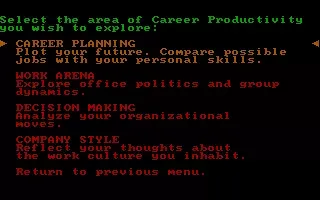
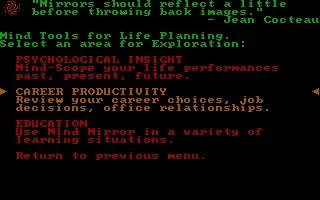
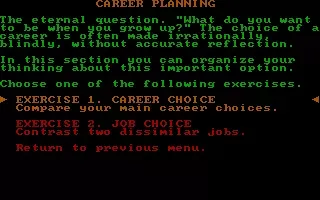
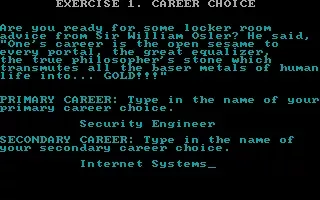
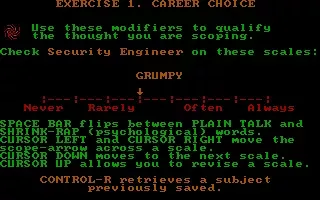
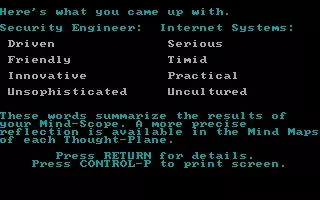
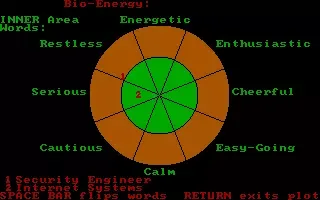
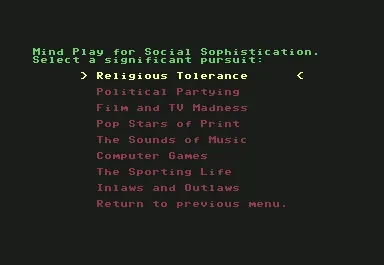
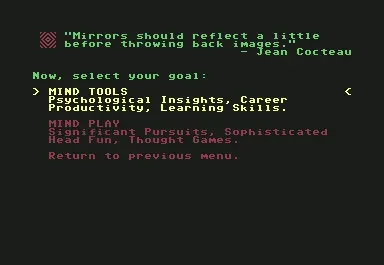
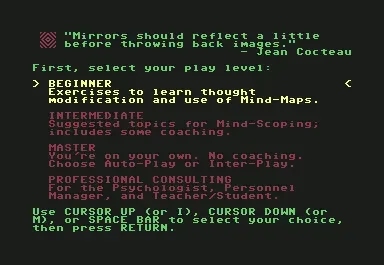
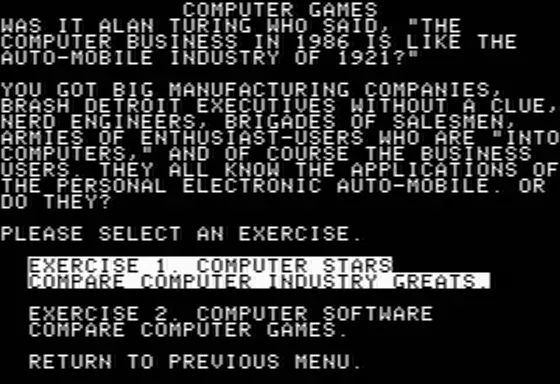
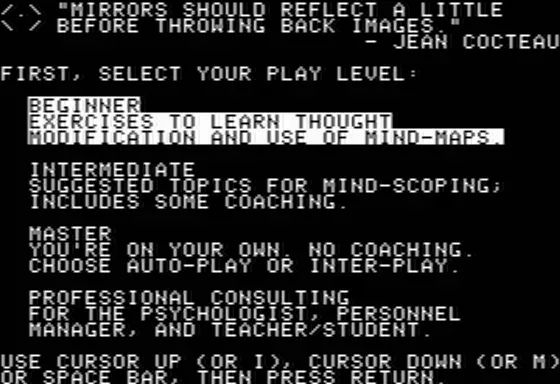
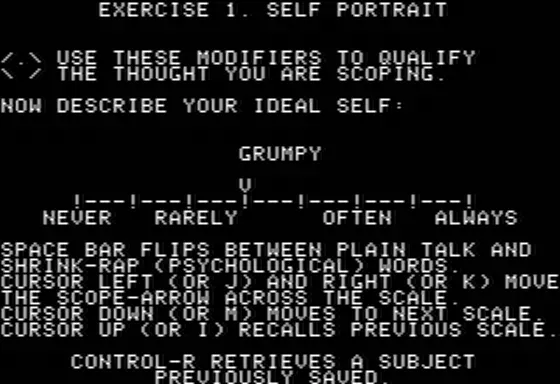
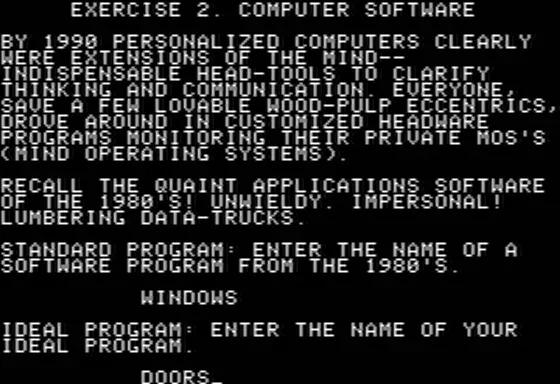
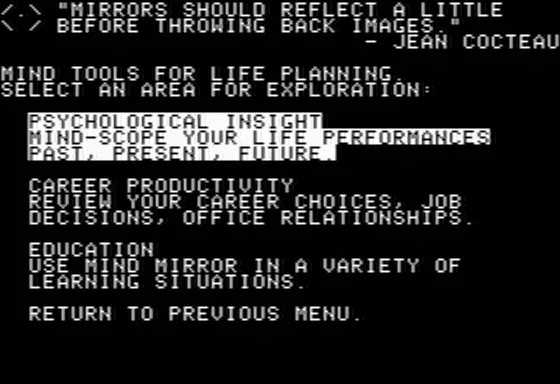
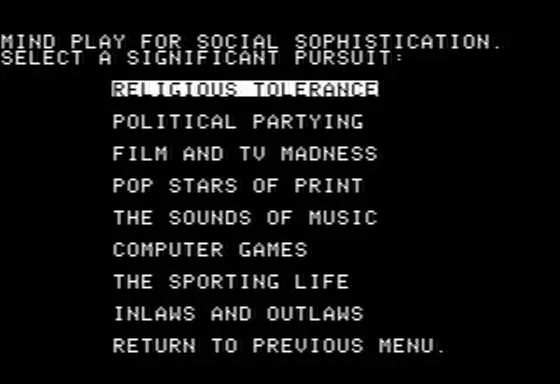
As a simulation, Timothy Leary’s Mind Mirror centers on answering prompts, profiling personalities, comparing self-image with others, and then using those profiles in role-play scenarios. Descriptions of the game emphasize its “party game” structure and its focus on subjective interpretation, making it closer to a personality exercise than a traditional score-driven arcade or strategy title.
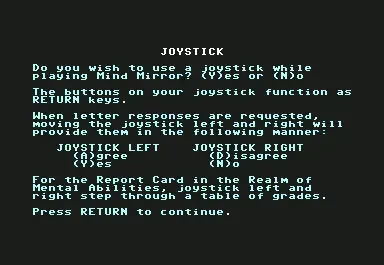
On the Atari 8-bit, the game fits the platform’s home-computer design strengths: text-heavy interaction, keyboard-and-joystick input, and disk-based distribution. Available documentation places the commercial release in the mid-1980s and shows that the title was built to run as a compact, self-contained software experience rather than a technically demanding action showcase.
Collector’s Value & Rarity
Collector interest in Timothy Leary’s Mind Mirror comes from its unusual cultural profile, not from extreme scarcity alone. It is a niche historical artifact tied to early edutainment and personality software, and surviving copies are valued as much for their documentation of 1980s experimental software culture as for their game content.
Physical editions for the original release were issued on floppy disk with period packaging that varied by platform and publisher run. For collectors, completeness matters: original manuals, inserts, and box materials are important because this title’s identity is strongly tied to its explanatory collateral and to the broader presentation of the software as an interactive psychometric experiment.