

Historical Context & Trivia
Star Wars: X-Wing vs. TIE Fighter (1997) is the third entry in the X-Wing series and a notable Star Wars space-combat release from LucasArts Entertainment Company LLC and Totally Games, Inc.. It arrived as a more multiplayer-forward follow-up to the earlier story-driven games, with launch-era coverage and later retrospectives noting that the base release emphasized combat modes and competitive play rather than a full campaign.
Documentation tied to the game credits Lawrence Holland as designer and Peter McConnell for music, while the Windows release date is commonly given as late April 1997. The title later received the Balance of Power campaigns expansion, which added structured single-player content and is frequently treated as the piece that restored the narrative campaign focus expected from the series.
Gameplay & Technical Features
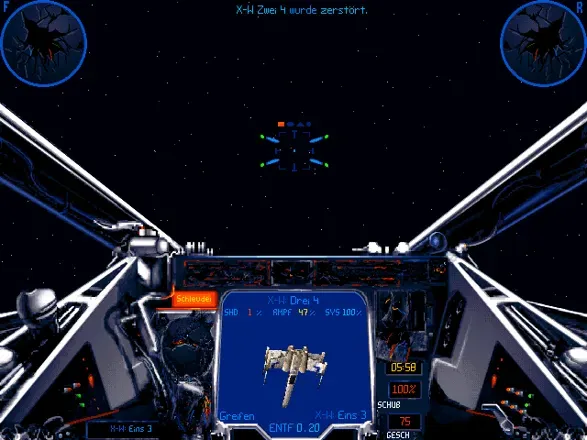
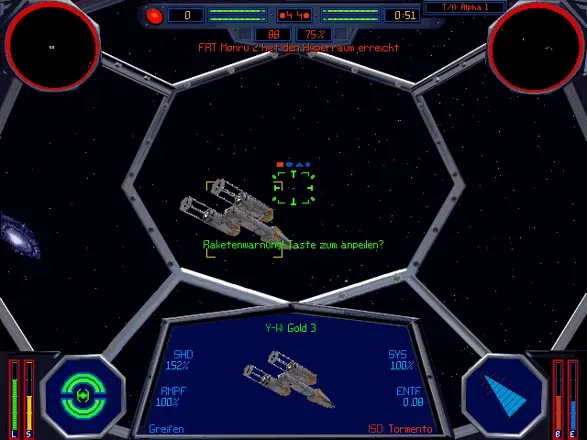
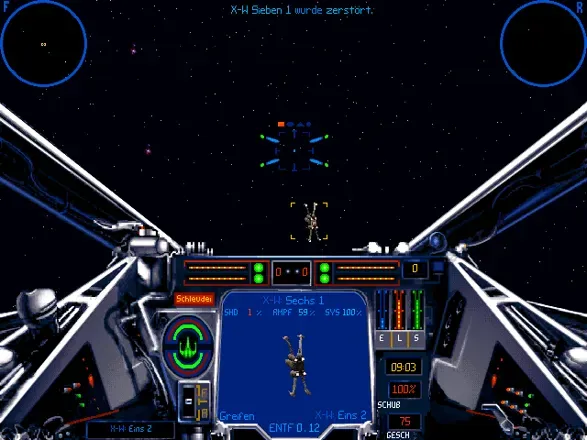
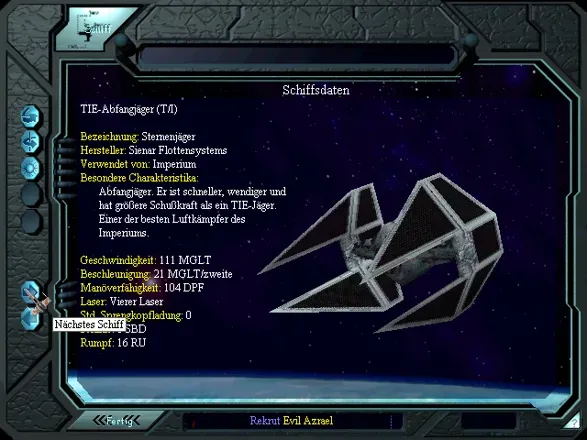
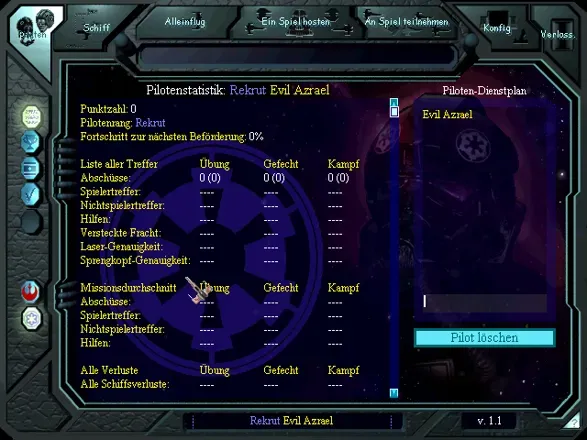
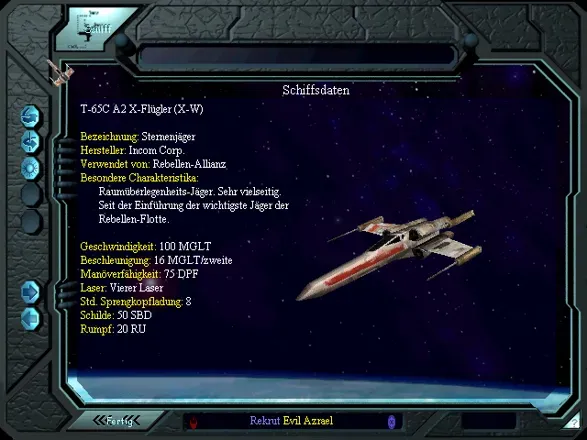
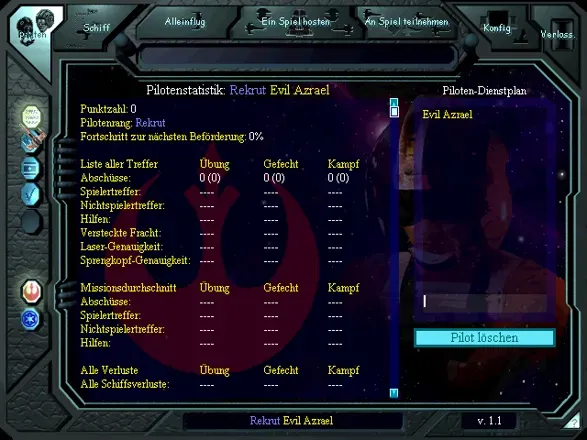
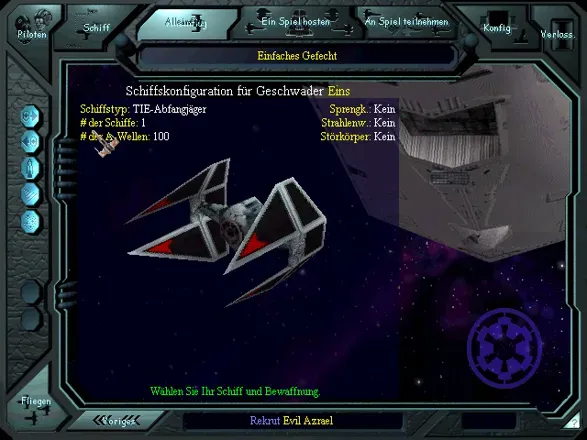
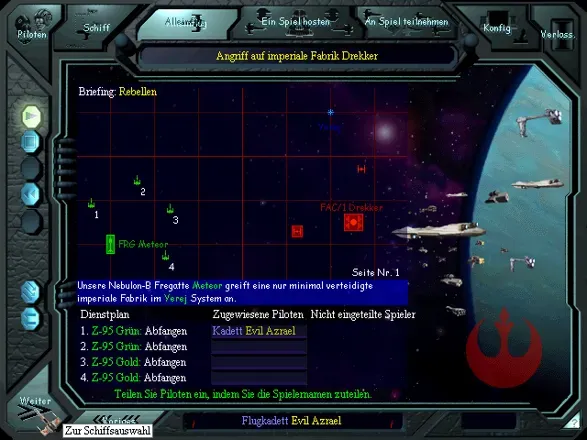
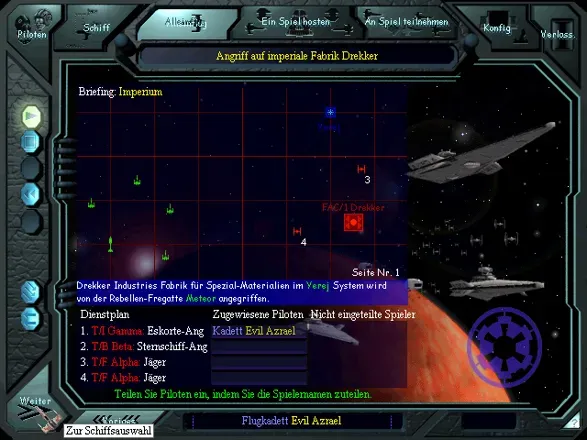
Star Wars: X-Wing vs. TIE Fighter is a space combat simulation built around piloting Rebel and Imperial starfighters in head-to-head engagements, mission training, tournament-style combat, and battle scenarios. The game supports both single-player encounters against AI and multiplayer combat, with later descriptions highlighting up to eight-player modes and distinct team, free-for-all, and cooperative options.
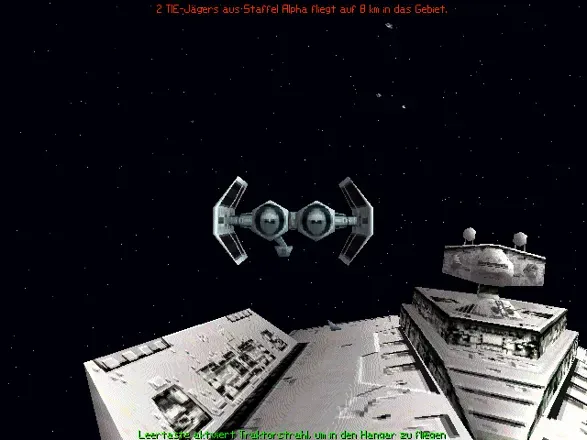
On Windows, the game extended the earlier flight-model foundation of the series with technical upgrades such as texture mapping, high-resolution graphics, CD audio, and joystick-centric control. Coverage also notes additions like anti-missile countermeasures and beam weapons, which helped differentiate it from the first two X-Wing games while preserving the cockpit-focused Star Wars combat feel.
Collector’s Value & Rarity
As a late-1990s PC release from a major licensed franchise, Star Wars: X-Wing vs. TIE Fighter is generally preserved rather than rare, with the main value coming from complete boxed sets, intact discs, and original documentation rather than from extreme scarcity. The title’s market presence is further supported by later digital availability and continued visibility through reviews, archived pages, and gameplay documentation.
Collectors place extra emphasis on original physical collateral tied to the era’s PC releases, especially the manual, CD media, and any materials associated with the Balance of Power expansion or regional packaging differences. Because the base game and expansion were handled separately in some distributions, completeness can vary by edition, which makes fully assembled retail sets more desirable than loose discs alone.