

Historical Context & Trivia
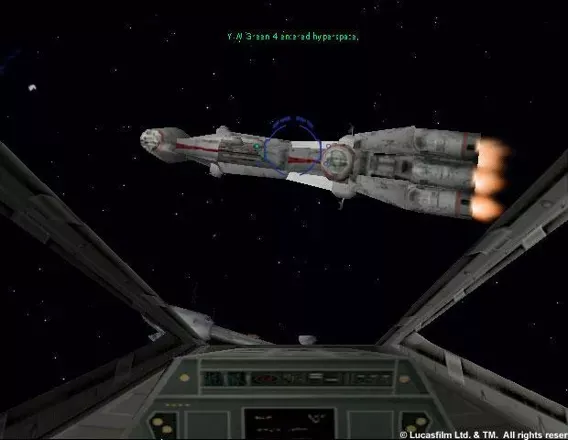
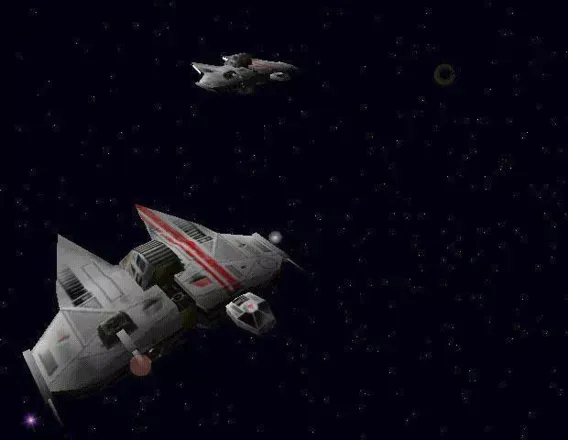
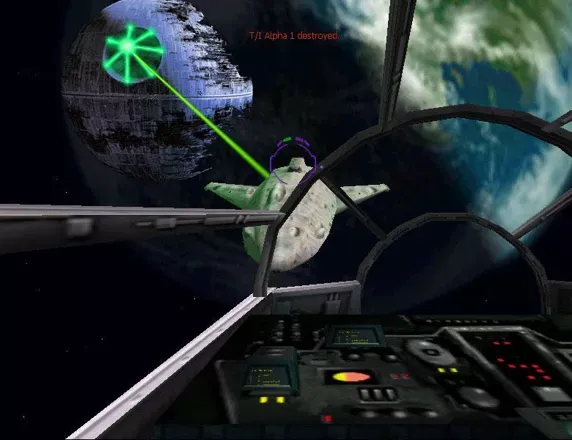
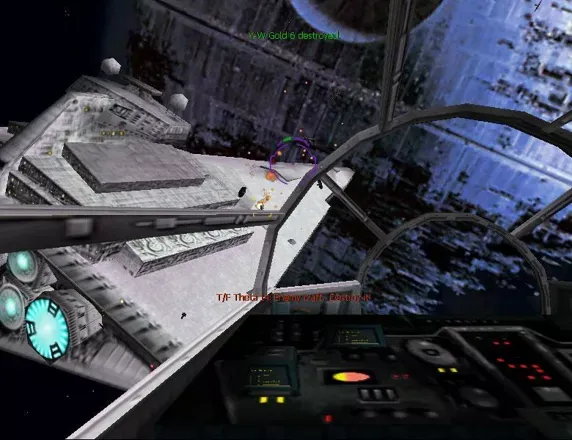
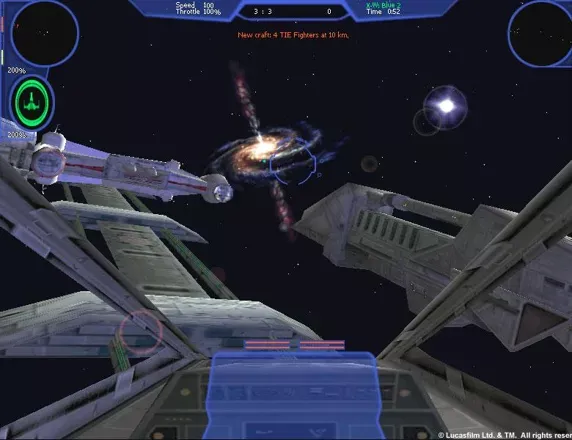
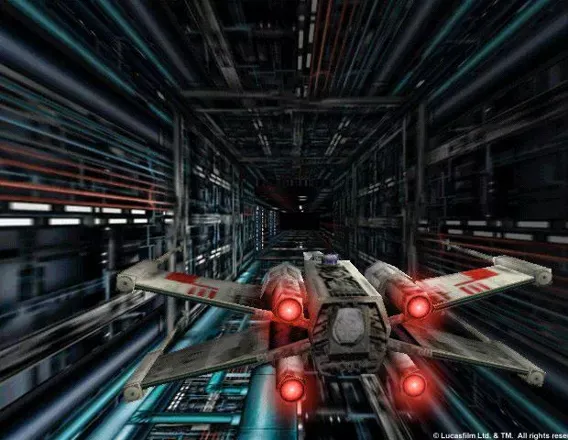
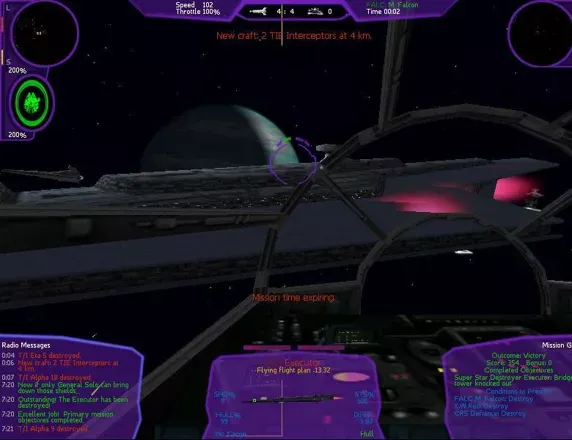
Star Wars: X-Wing Alliance (1999) is a late-era highlight of the Star Wars PC space-combat lineage, arriving as a more ambitious follow-up to the earlier X-Wing and TIE Fighter titles. It weaves a campaign around a neutral trading family drawn into the Galactic Civil War, then escalates into major Rebel missions and a climactic run tied to the second Death Star and the Battle of Endor.
Developed by Totally Games and published by LucasArts, the game reflects the studio’s long-form expertise in flight simulation and cinematic mission design. It is widely remembered as one of the most expansive entries in the series, notable for blending story-driven progression with large-scale space battles and a strong sense of Star Wars spectacle.
Gameplay & Technical Features
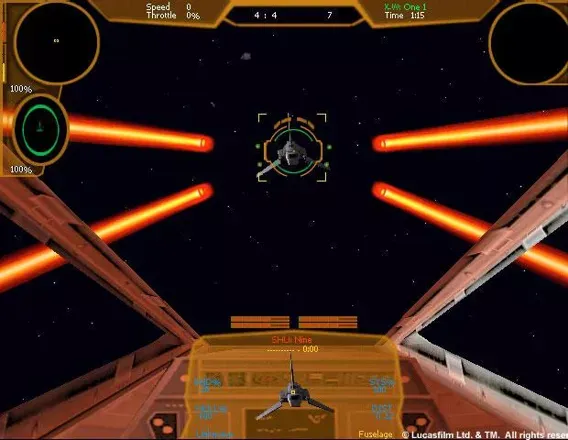
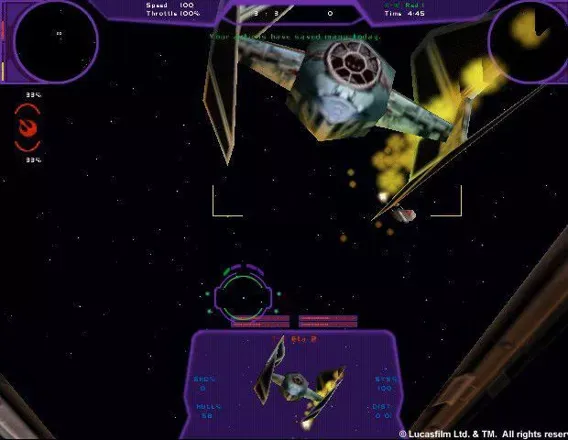
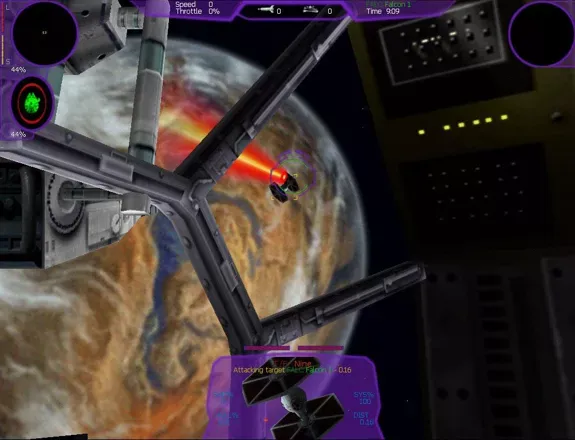
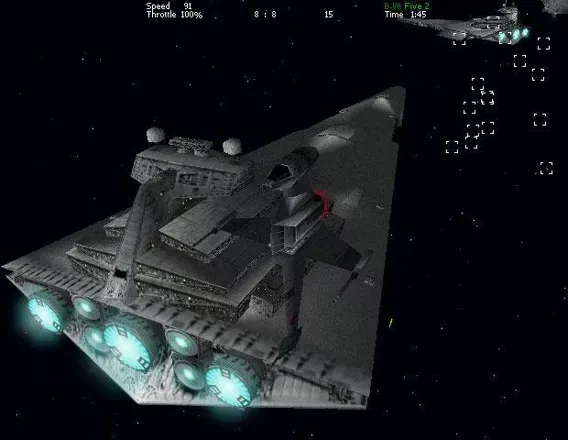
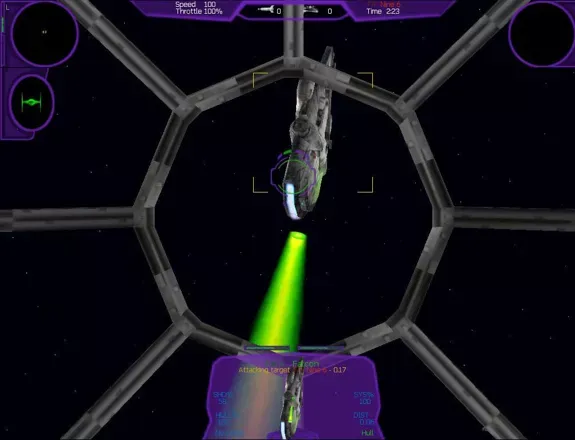
As a space combat simulation, the game centers on starfighter piloting, mission objectives, capital-ship assaults, convoy protection, and dogfighting across interconnected campaign chapters. Its structure emphasizes variety and escalation, moving from family-business skirmishes into fully fledged Alliance operations while keeping the player in the cockpit throughout.
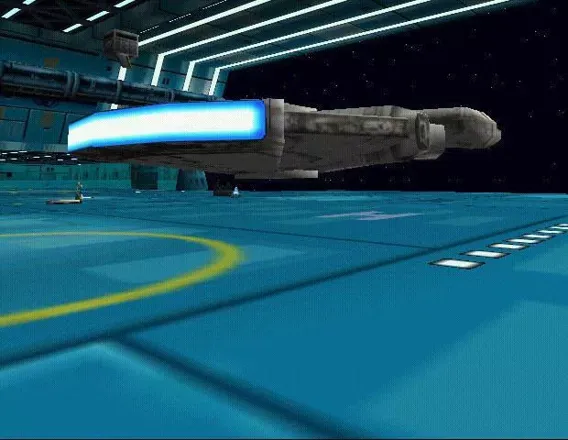
On Windows, the game was built to showcase late-1990s PC hardware with richer visuals, larger battles, and support for 3D acceleration options. Contemporary coverage highlighted its impressive ship counts, fluid hyperspace transitions, and strong presentation, while also noting that the software-rendered fallback mode was less impressive than hardware-accelerated play.
Collector’s Value & Rarity
Star Wars: X-Wing Alliance is a mainstream PC classic rather than a rare obscurity, so its value is usually tied more to condition, completeness, and edition than to extreme scarcity. Standard retail copies are generally collectible because of the franchise name and the game’s status as a beloved simulation-era release, but it is not typically considered a highly elusive title in the broader PC market.
Collector interest rises when the copy includes the full original retail package, especially the manual, inserts, registration material, and any regional retail labeling or barcode differences. Boxed releases from different territories can vary in publisher branding and packaging presentation, which makes complete, well-preserved examples more desirable than loose discs alone.