





Introduction
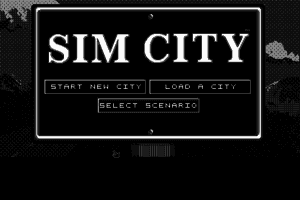
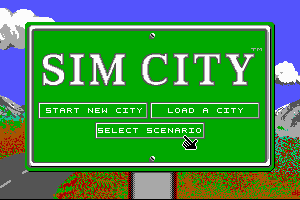
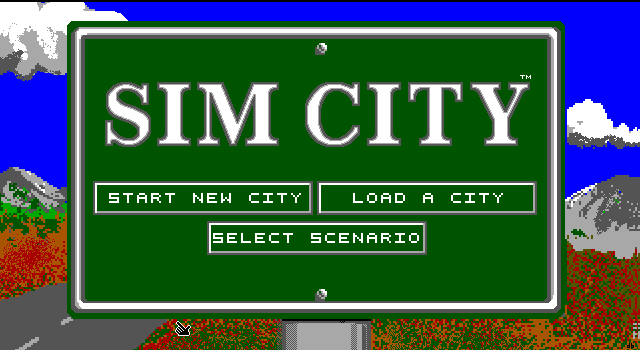
Released in 1989 by Maxis Software Inc., this groundbreaking video game invited players to take on the role of a city planner. As one of the earliest examples of a city-building simulation, it provided a unique gaming experience that challenged players to design and manage a thriving metropolis.
Gameplay
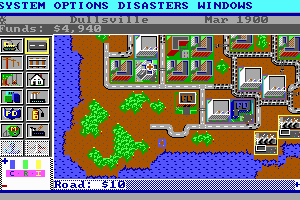
The primary objective of the game is to build and manage a city, balancing various aspects such as zoning, transportation, and public services. Players must judiciously allocate resources and respond to emergencies like fires and natural disasters, ensuring the city’s growth and the satisfaction of its citizens.
Historical Significance
This title is often credited with popularizing the simulation game genre, paving the way for many subsequent titles. It stood out for its open-ended gameplay and the absence of a definitive win condition, allowing players to craft their narratives through strategic decision-making.
Development Insights
The game’s development was inspired by urban planning concepts and the work of system dynamics pioneer Jay Wright Forrester. The creator, Will Wright, initially faced challenges in securing a publisher due to the game’s unconventional nature. However, its eventual release was met with critical acclaim, establishing Maxis as a prominent game development studio.
Legacy
This simulation game laid the foundation for a series of successful sequels and spin-offs. It is remembered as a significant milestone in video game history, inspiring both players and developers with its innovative gameplay and enduring appeal.