

Historical Context & Trivia
Railroad Tycoon II, released in 1998, is the second main entry in the Railroad Tycoon series and a notable late-1990s railroad business simulation for Windows. It is especially significant because it was developed without original series creator Sid Meier, giving PopTop Software the task of carrying the brand forward with a more modern presentation and updated economic systems.
PopTop Software developed the game and Gathering of Developers handled publication, with later distribution associated with Take-Two Interactive. Coverage from the period describes the project as an attempt to bring the series into the late 1990s with a new graphics engine, improved economics, and a timeline extending into the future.
Gameplay & Technical Features
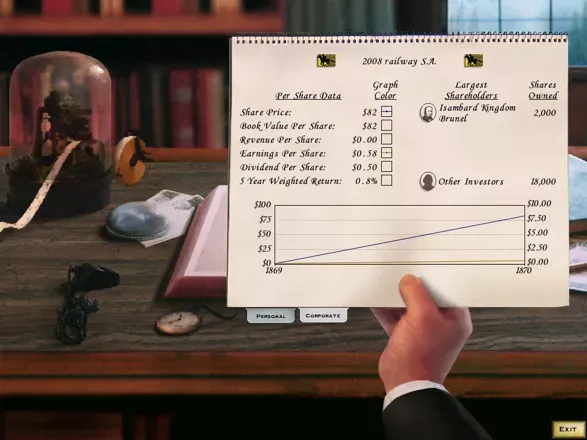
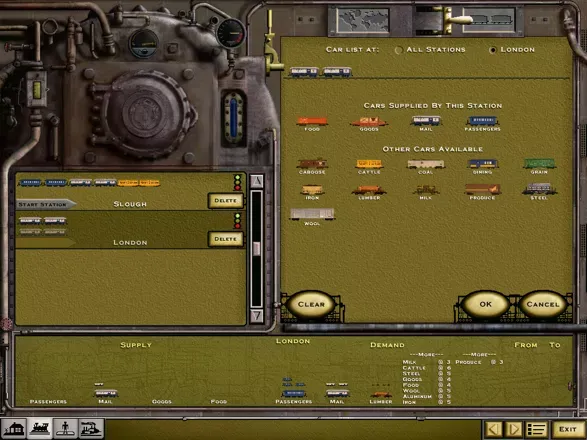
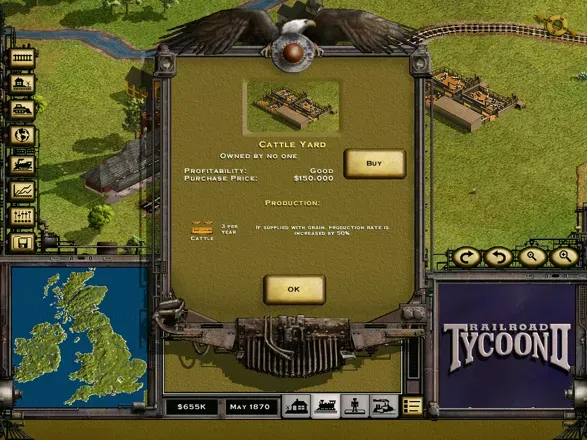
This is a simulation / strategy game focused on building and managing a railroad empire, including track construction, route planning, cargo movement, finance, and competition against rival rail companies. The game follows the series’ business-simulation structure while broadening the historical scope of rail transport from its early era into later periods.
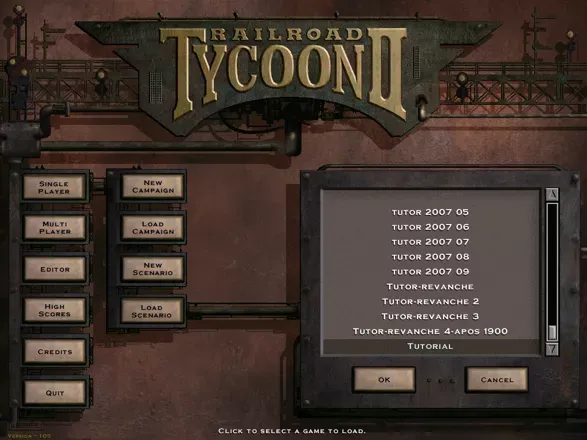
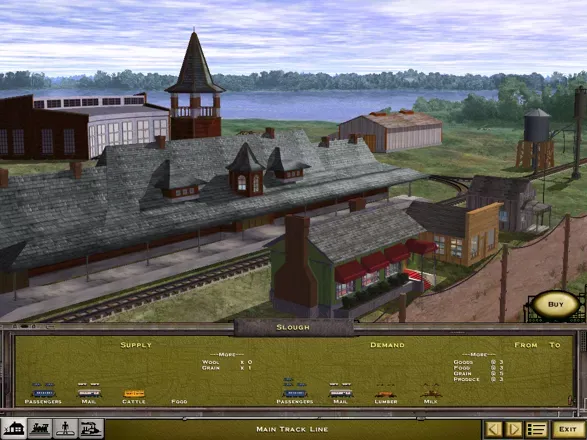
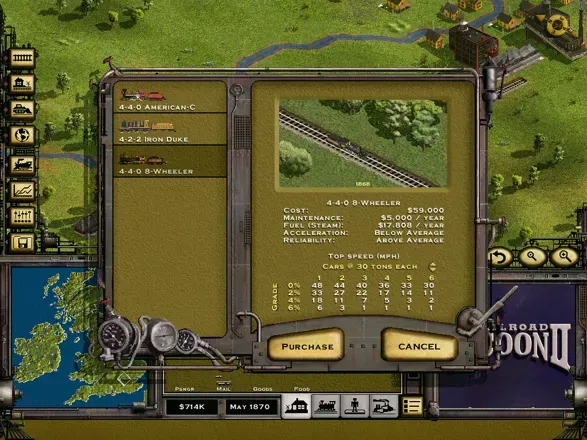
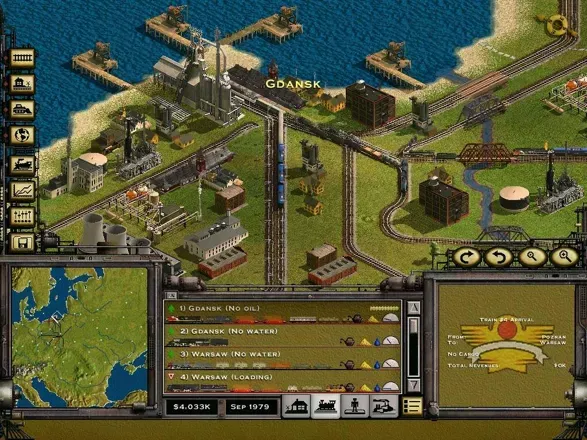
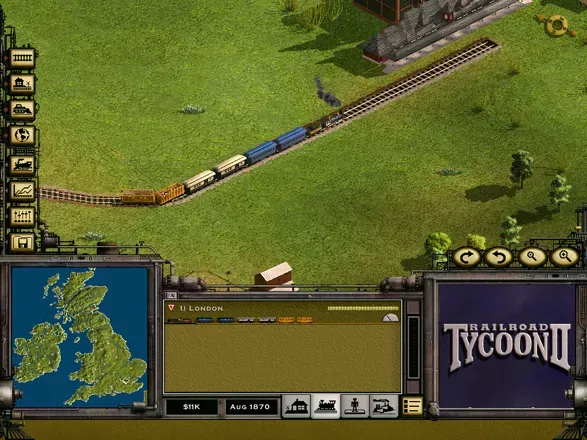
On Windows, the game used a late-1990s presentation style with an updated visual engine, bird’s-eye/isometric management views, and support for both single-player and multiplayer play. Period material also notes ambitions for large-scale online competition, while later listings confirm the title’s arrival on additional platforms such as Mac OS, PlayStation, and Dreamcast, which reflects the game’s wider commercial reach beyond PC.
Collector’s Value & Rarity
Railroad Tycoon II is not generally considered obscure; it is a recognized classic within economic strategy and railroad-management circles, so standard Windows copies are usually obtainable rather than exceptionally rare. Collector interest rises more around complete retail sets, expansion-inclusive editions, and later compilations than around the base game alone.
Important physical variants include the original retail release and later editions such as Gold and Platinum, with the latter adding the expansion content and community-made material. Because these releases differ in bundled extras and distribution labels, boxed copies with manuals, discs, and edition-specific packaging are typically more desirable to collectors than disc-only copies.