



Historical Context & Trivia
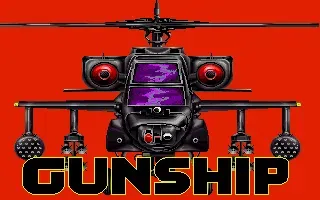
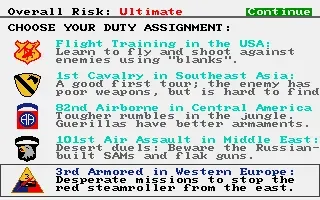
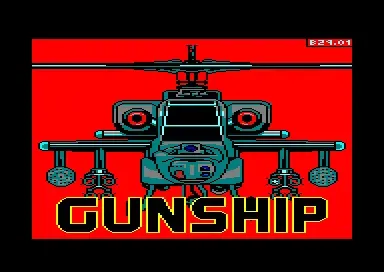
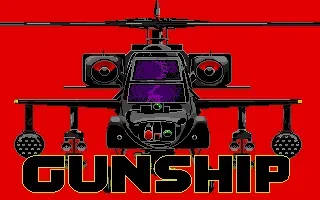
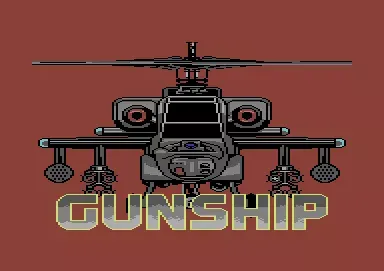
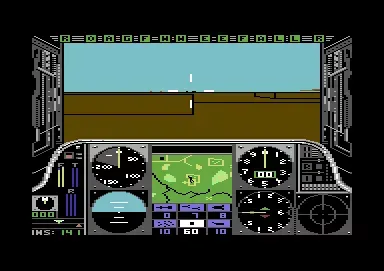
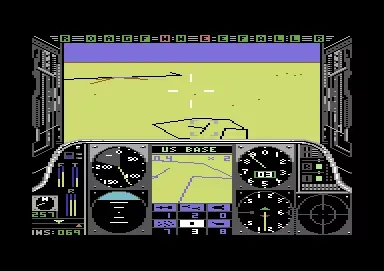
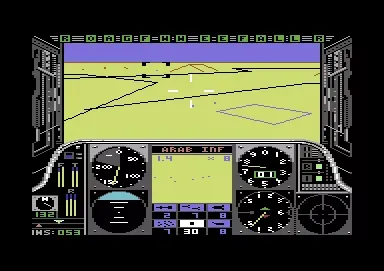
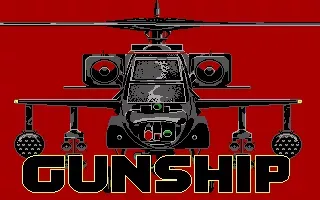
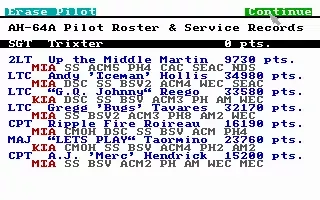
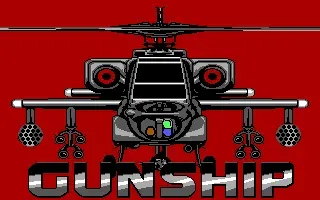
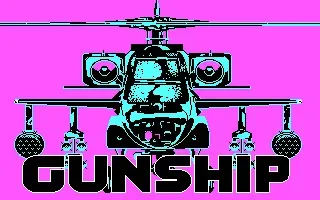
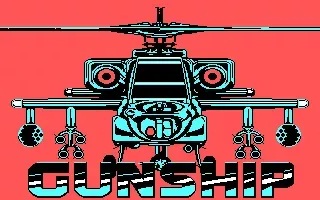
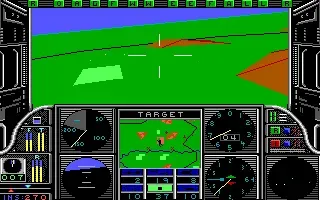
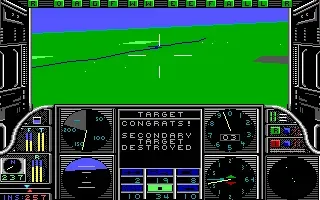
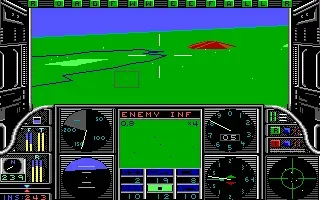
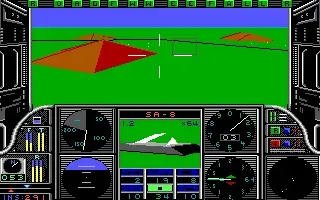
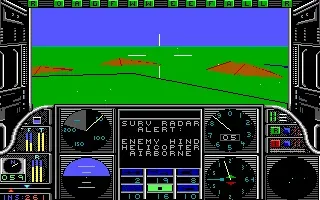
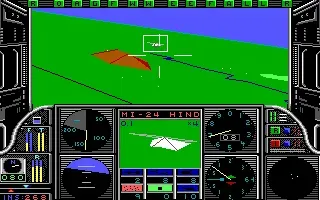
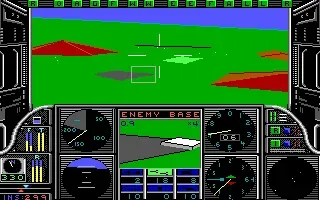
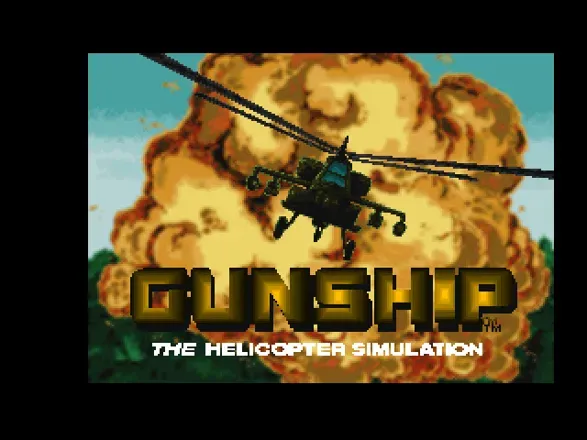
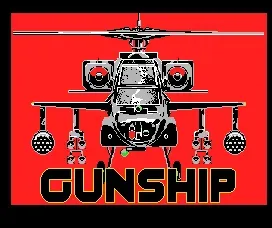
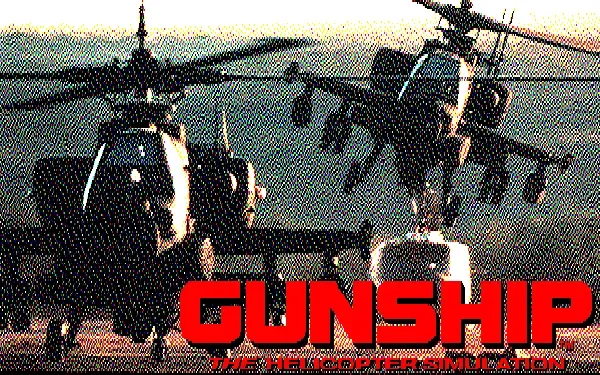
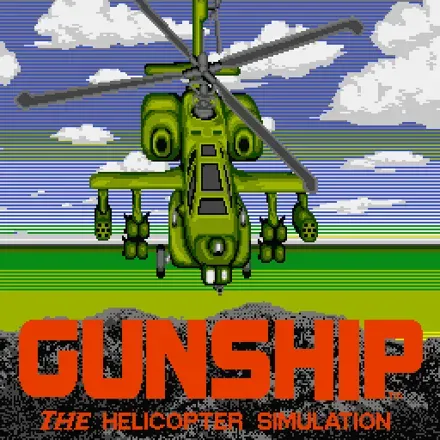
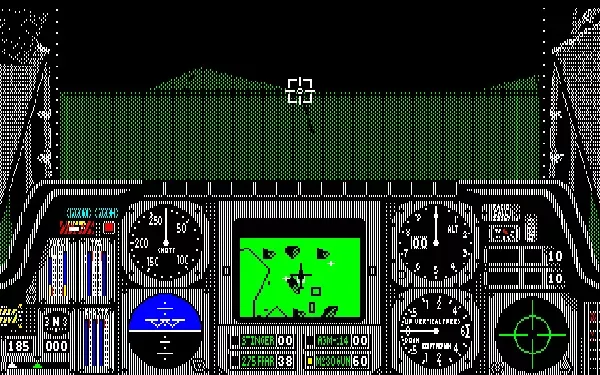
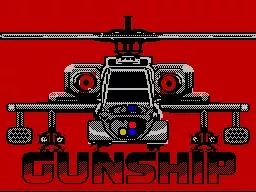
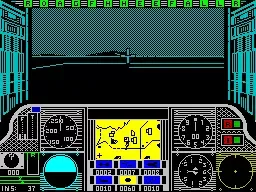
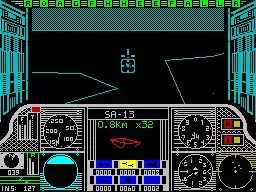
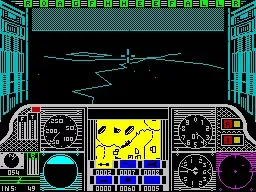
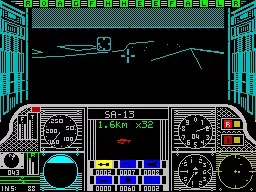
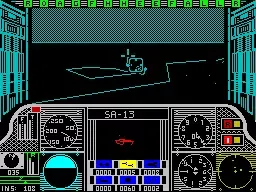
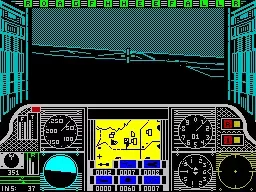
Gunship (1986) is a combat helicopter simulation built around the AH-64A Apache, and it is one of MicroProse’s best-known early military sims. The game became a reference point for helicopter simulation in the 1980s because it combined training, mission progression, and multi-theater combat in a format that was unusually ambitious for home computers of the era.
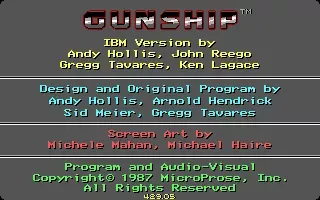
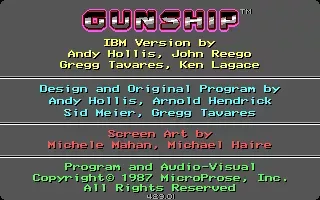
Historical listings and retrospective coverage identify MicroProse as both developer and publisher, with platform releases spanning Atari ST, Commodore 64, MS-DOS, Amiga, and several later systems. Credits associated with the game include Andy Hollis, Arnold Hendrick, and Sid Meier, which places it firmly inside the studio’s formative period of simulation design.
Gameplay & Technical Features
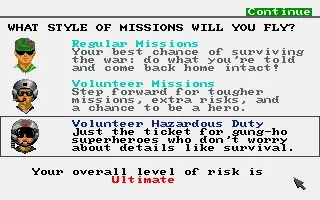
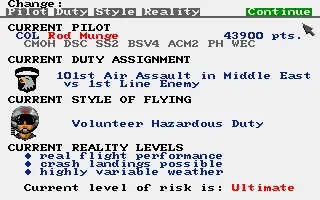
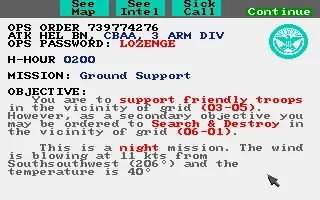
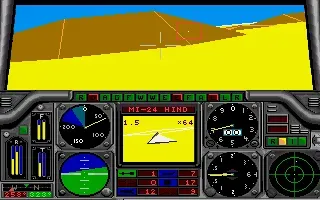
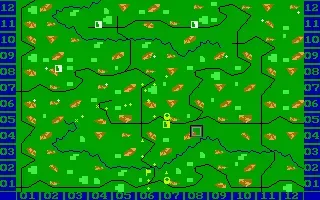
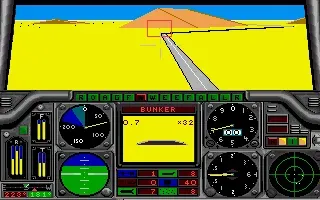
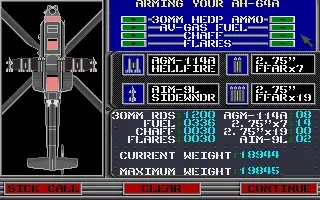
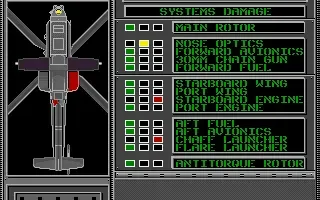
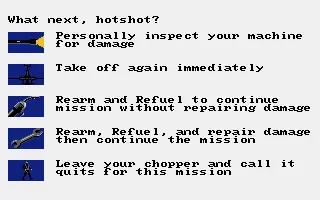
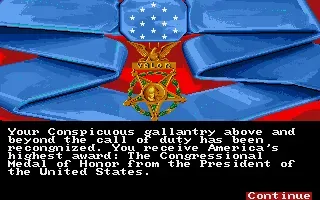
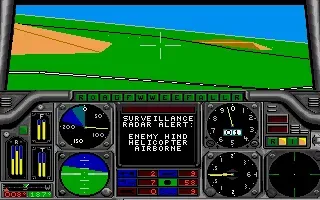
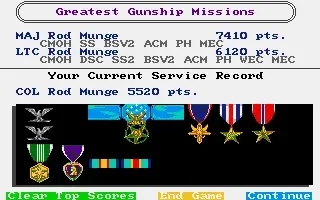
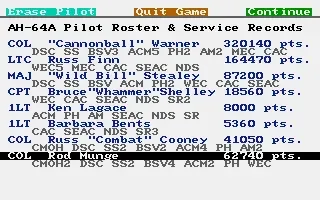
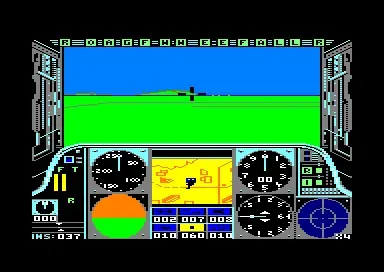
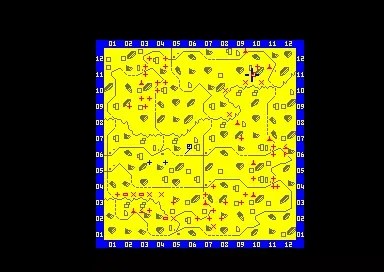
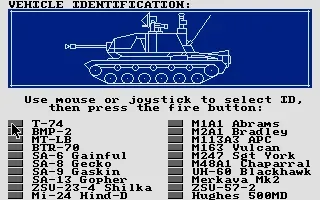
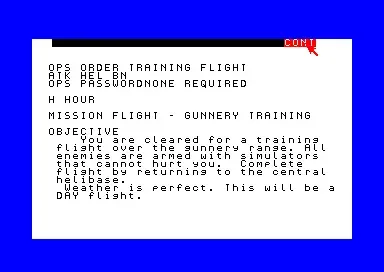
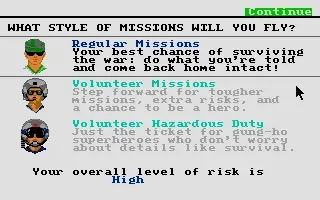
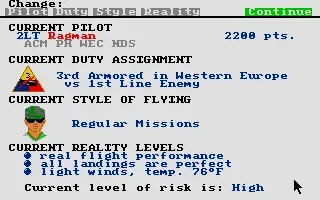
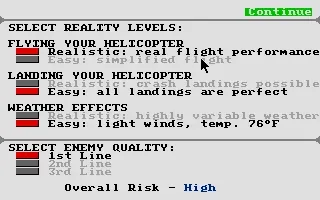
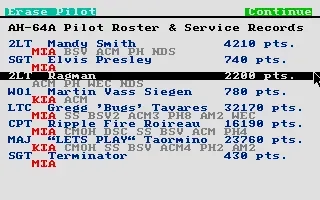
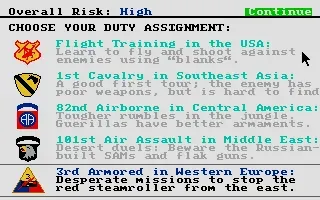
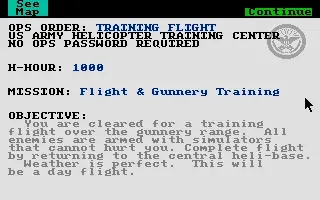
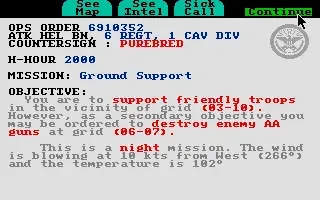
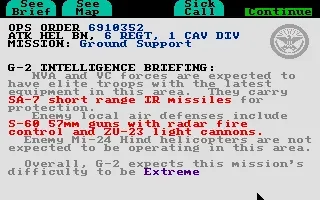
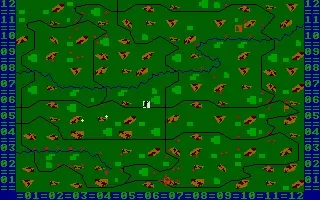
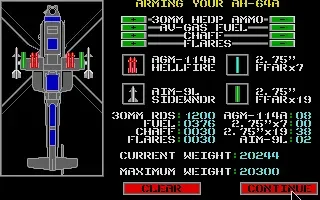
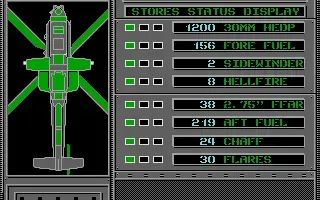
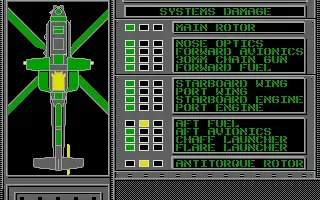
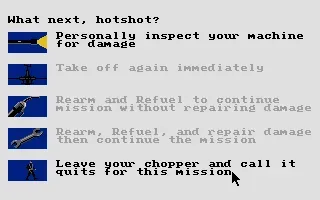
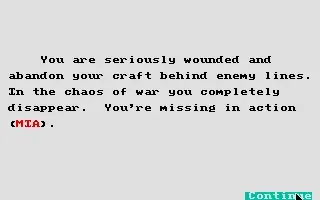
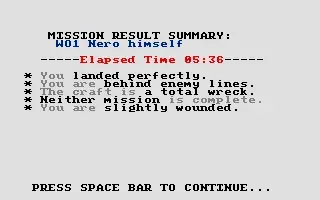
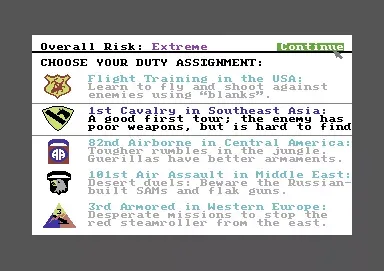
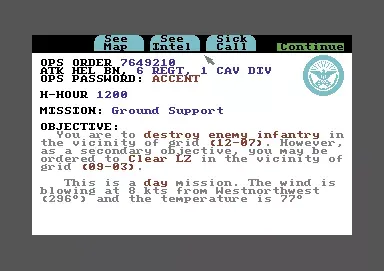
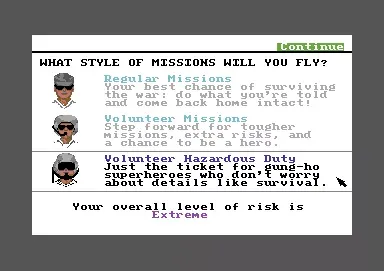
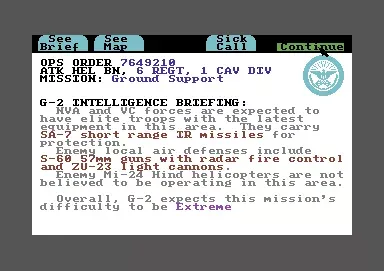
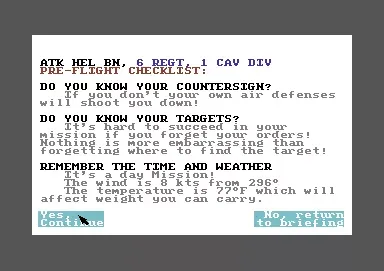
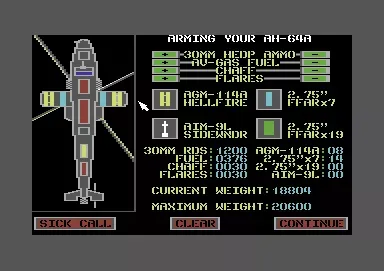
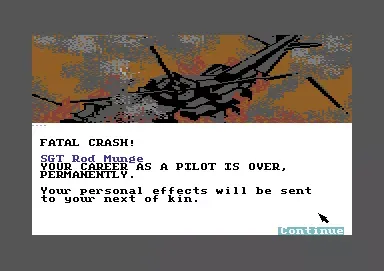
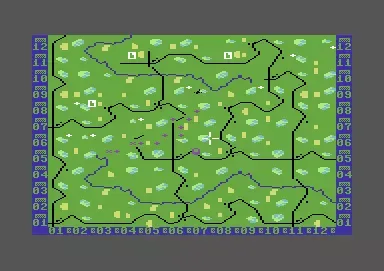
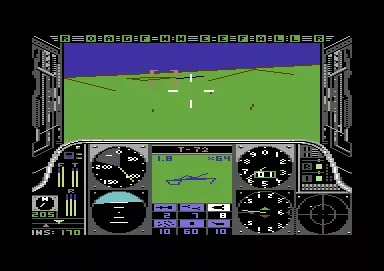
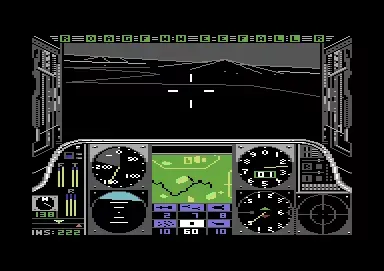
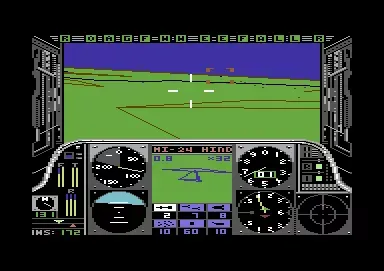
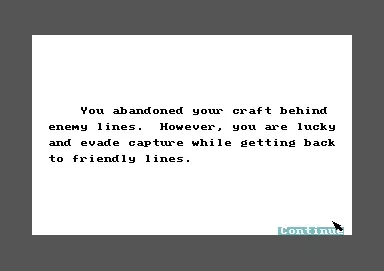
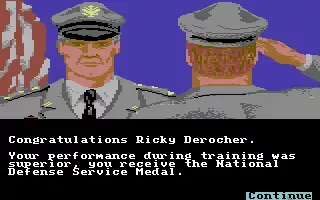
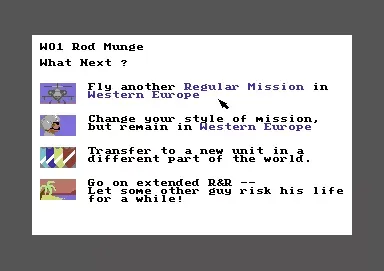
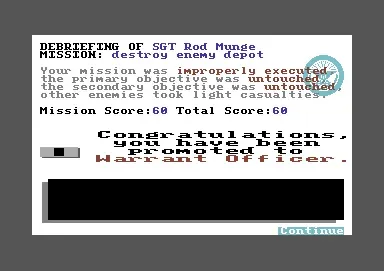
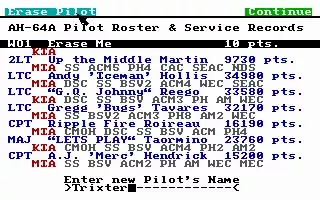
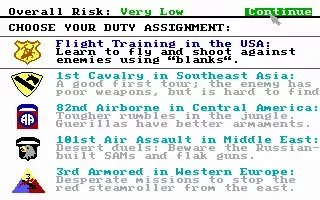
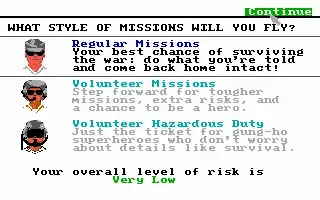
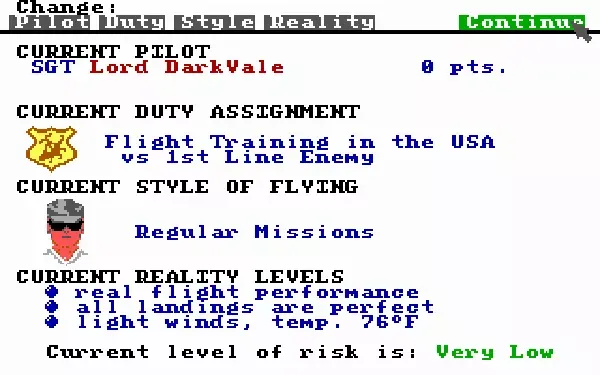
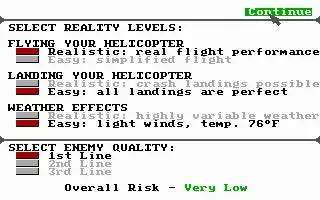
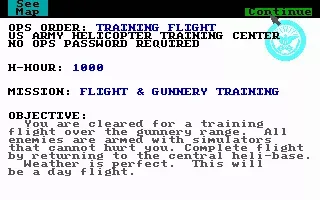
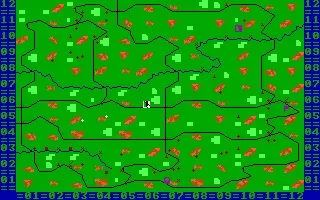
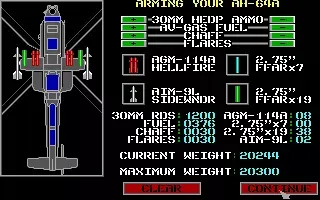
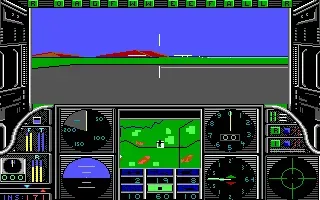
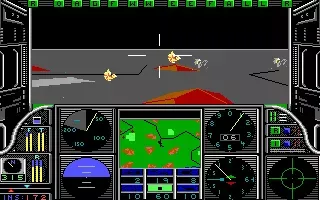
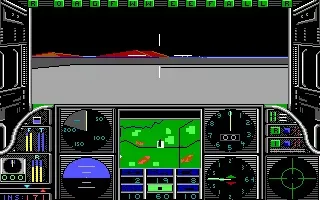
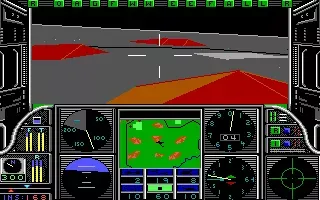
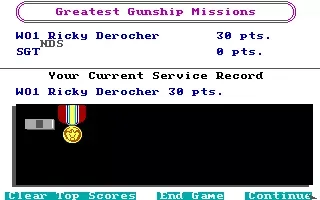
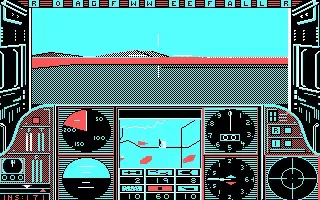
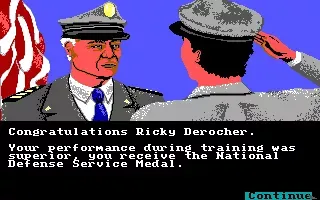
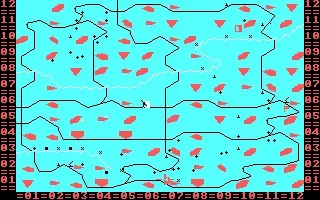
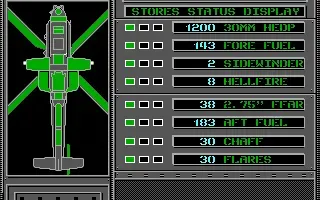
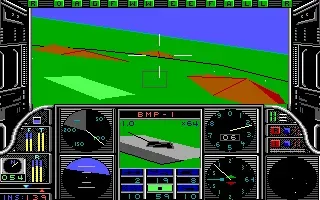
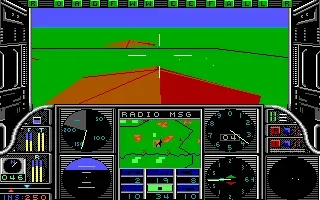
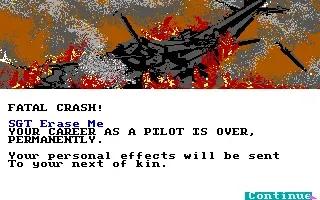
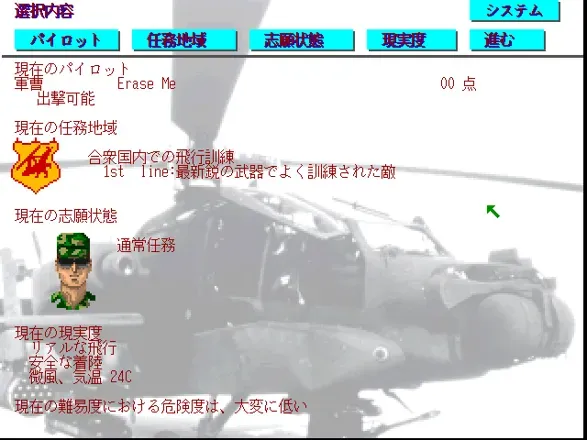
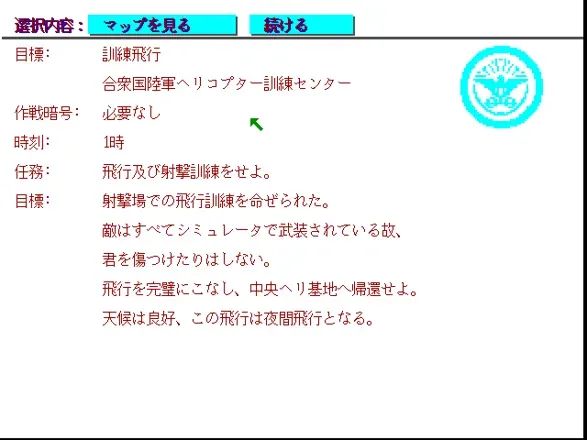
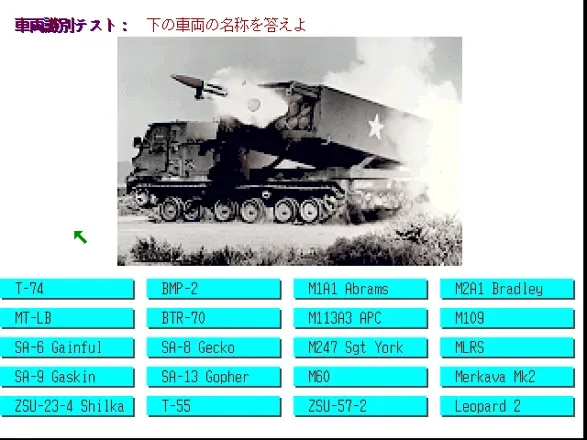
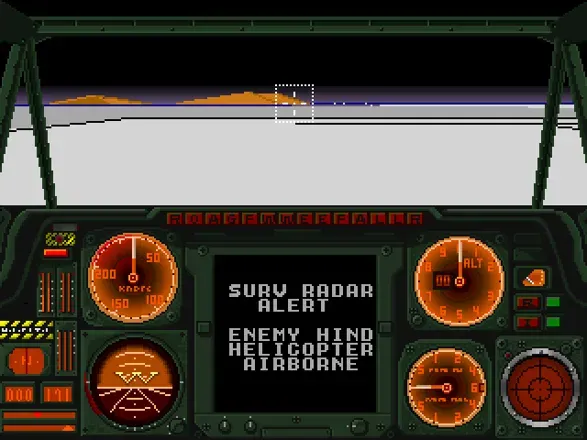
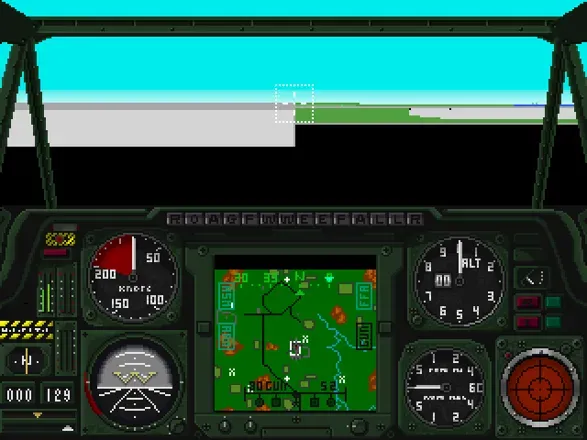
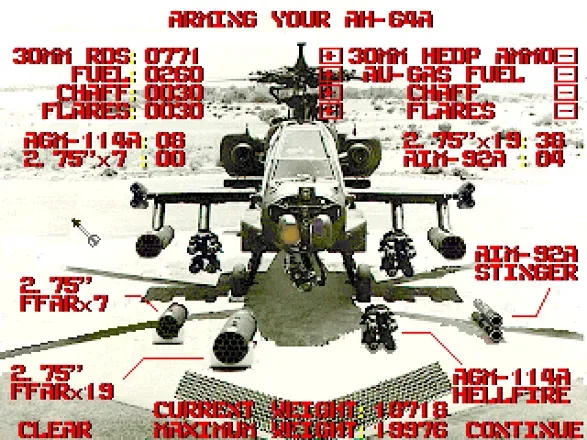
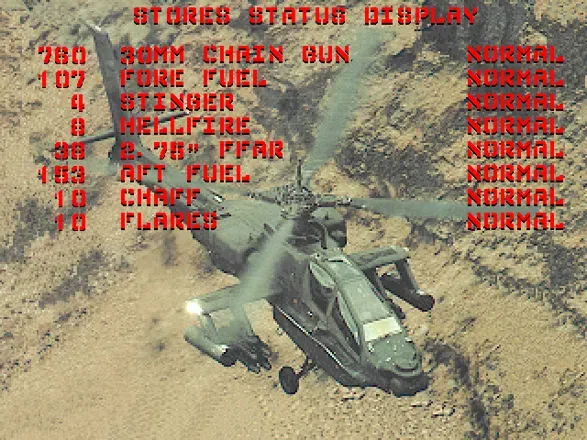
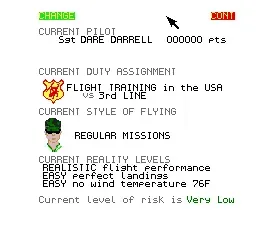
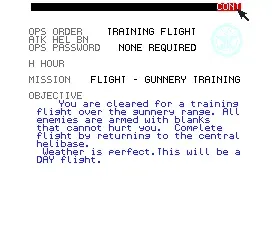
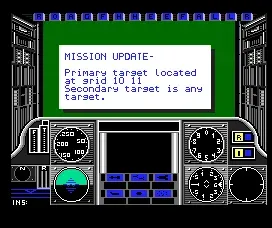
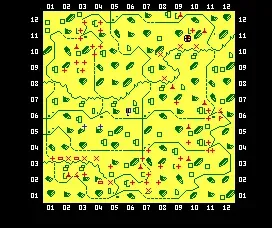
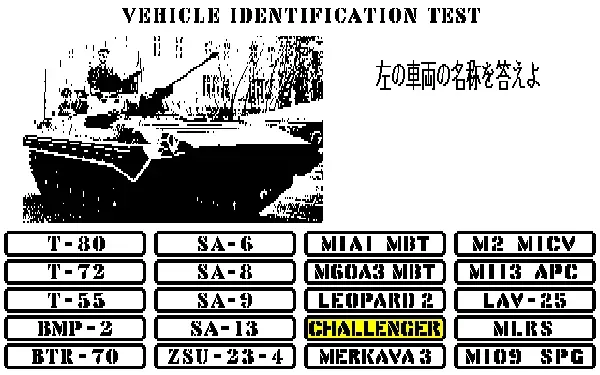
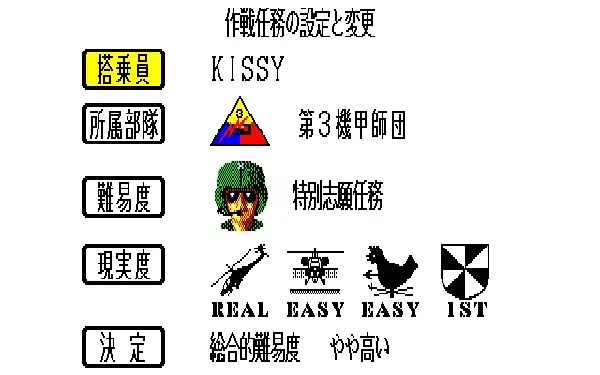
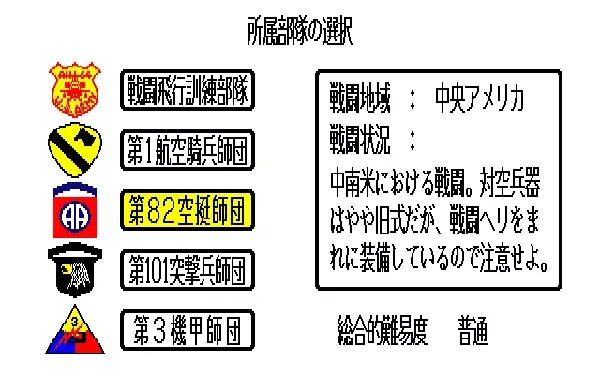
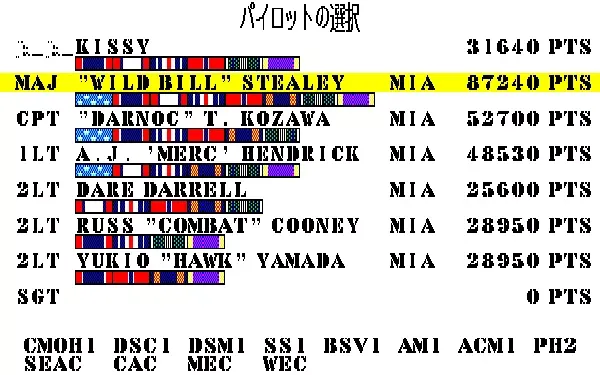
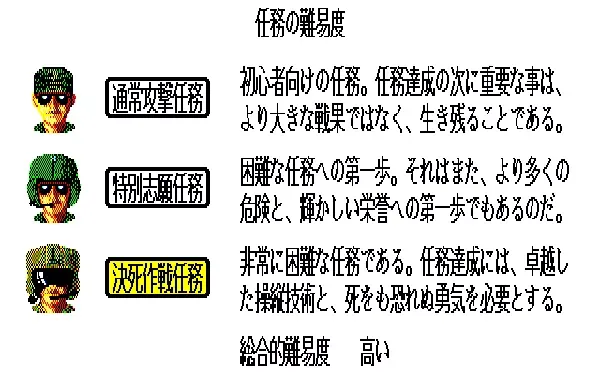
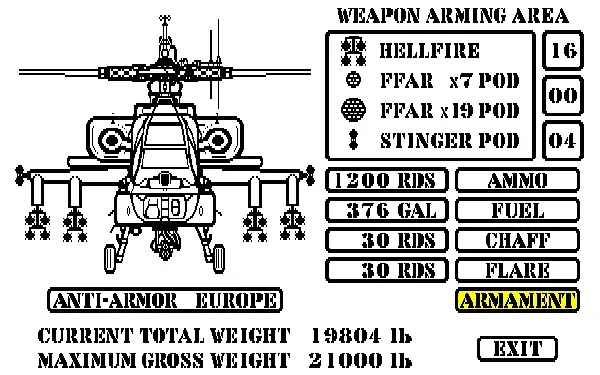
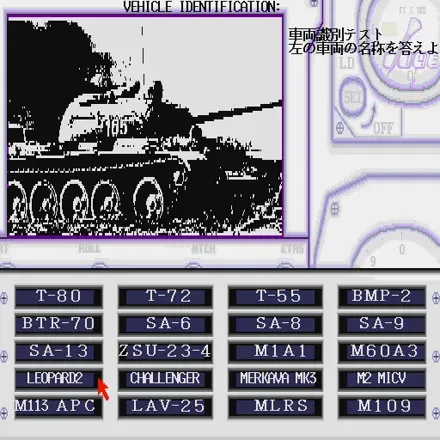
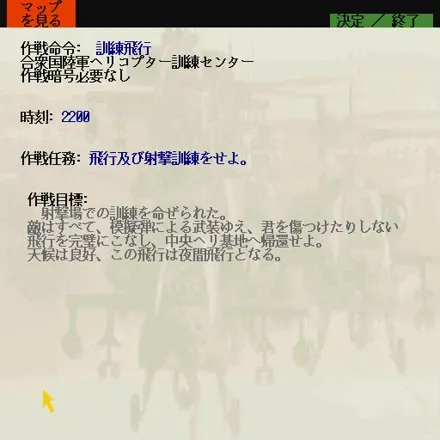
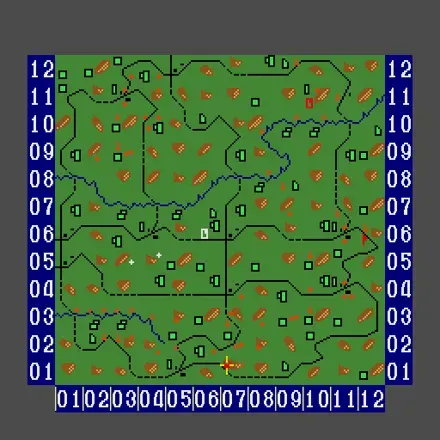
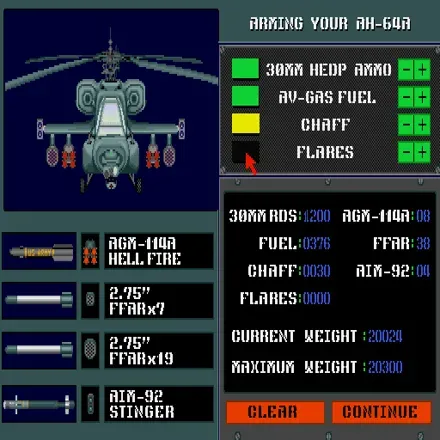
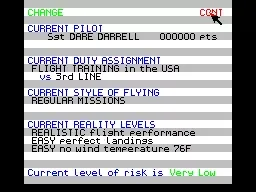
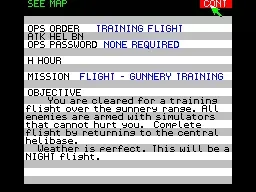
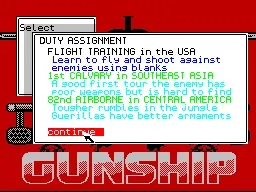
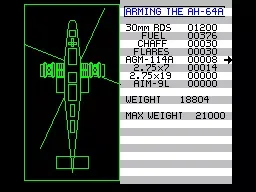
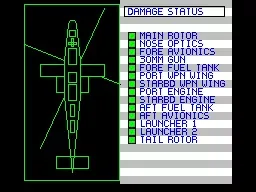
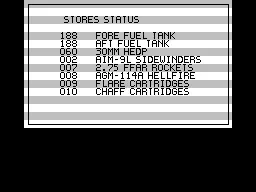
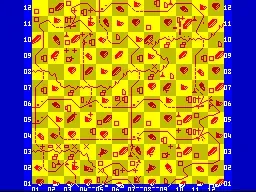
This simulation focuses on piloting an attack helicopter through training and combat missions, using weapon systems such as missiles, rockets, cannon fire, and target-acquisition tools modeled on the Apache’s battlefield role. The structure emphasizes mission-based progression rather than open-ended flight, with escalating objectives across different war zones.
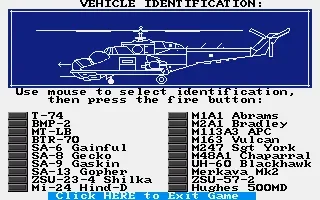
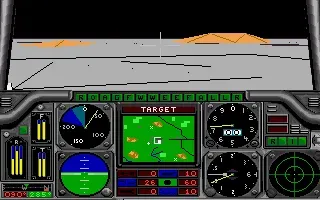
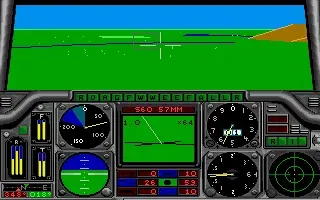
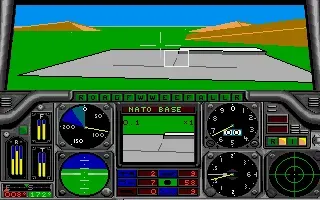
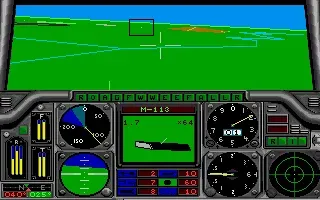
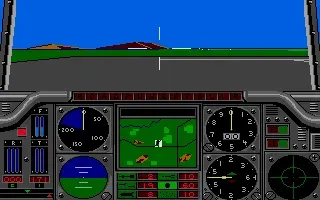
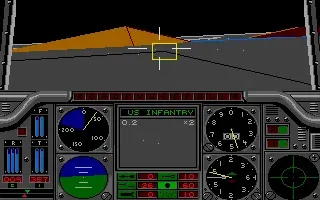
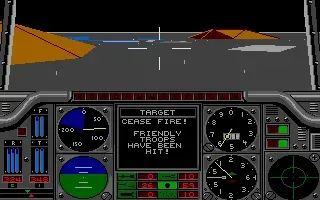
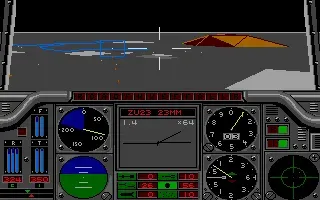
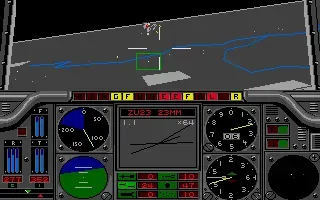
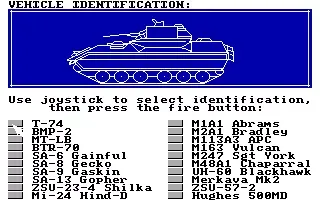
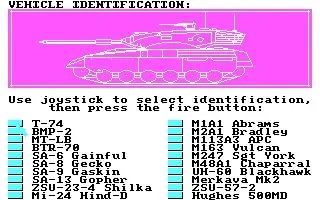
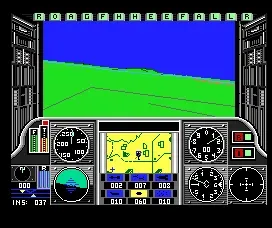
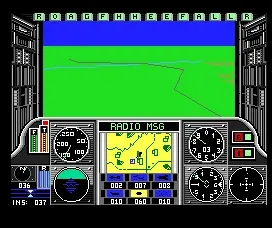
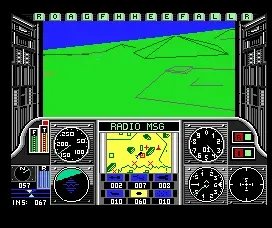
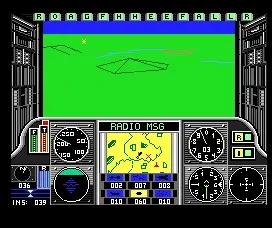
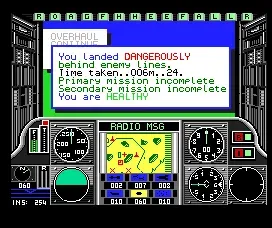
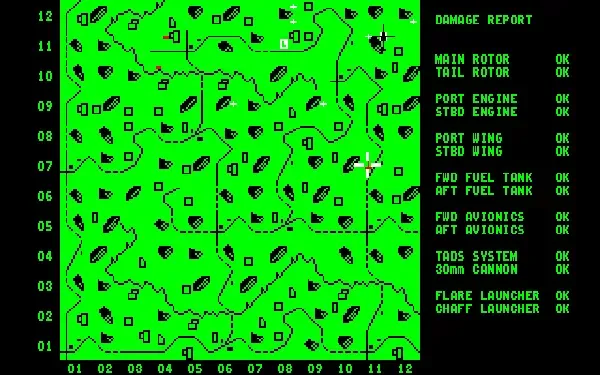
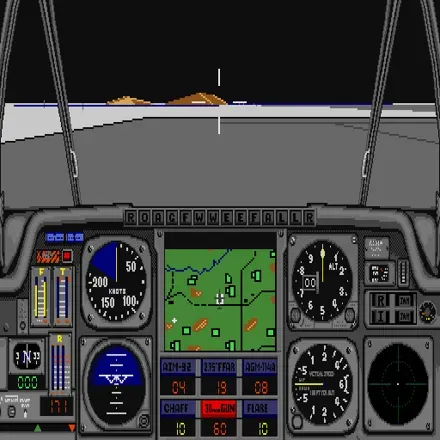
On the Atari ST, the game is noted for delivering a convincing military-sim experience with wireframe-style presentation adapted for the machine’s graphics hardware, alongside sound and control handling suited to joystick and keyboard play. The ST version is generally described as closely aligned with the original 1986 release window, while later writeups sometimes cite 1987 for that specific port.
Collector’s Value & Rarity
Gunship is not an ultra-rare title, but it is a respected early simulation release that remains collectible because of its association with MicroProse and its place in the evolution of combat-flight software. Value is typically driven more by condition, completeness, and regional packaging than by extreme scarcity.
For collectors, the most important physical factors are the original box, disk media, manuals, and any printed mission or control documentation, since simulations of this era often depended on collateral to explain systems and controls. The Atari ST release also appears in regional variants under different publishing arrangements, so box text and distributor markings can vary by market.