

Historical Context & Trivia
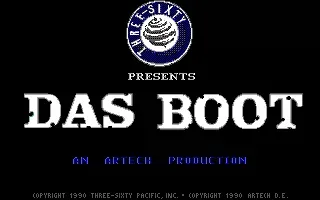
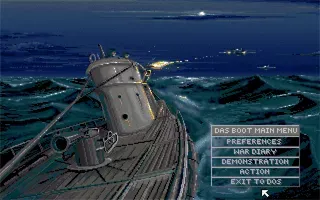
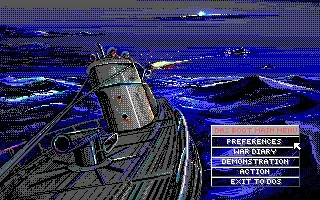
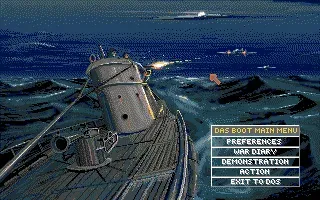
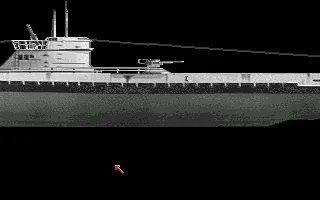
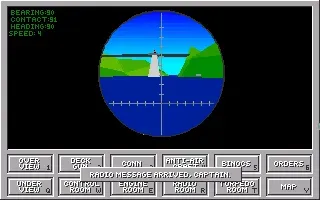
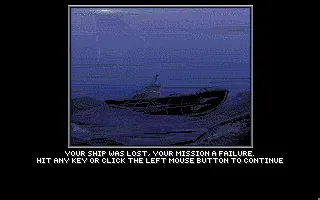
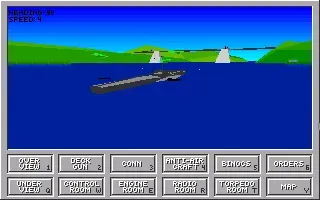
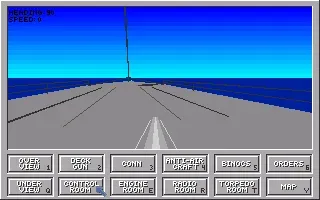
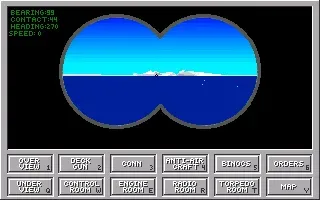
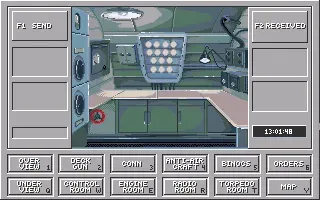
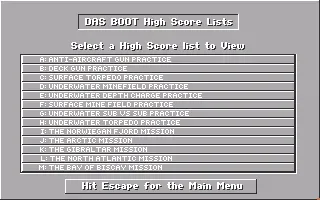
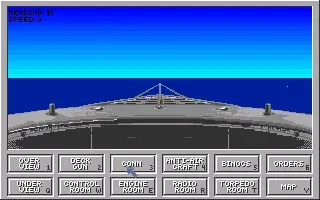
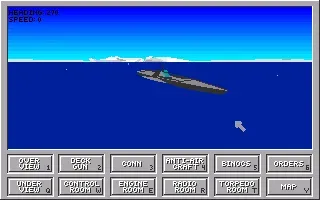
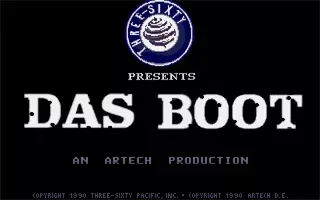
Das Boot: German U-Boat Simulation arrived in 1990 as a licensed submarine simulation inspired by the World War II film brand, positioning it within the early-PC era of serious military sims rather than the arcade side of naval warfare. Its setting centers on a Type VII U-Boat, giving the game a focused historical identity built around Atlantic patrols, convoy hunting, and the tension of underwater command.
The game is credited to Artech Digital Entertainment, Ltd. and was published for DOS by Three-Sixty Pacific, Inc., with later distribution tied to Mindscape (UK) Limited and Ziggurat Interactive, Inc.. That publishing trail reflects a title that survived well beyond its original shelf life, later becoming part of modern retro reissues and preservation-minded cataloging.
Gameplay & Technical Features
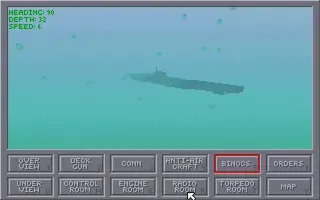
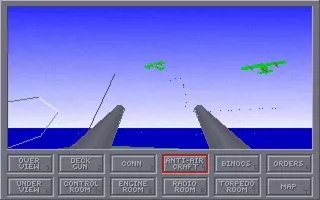
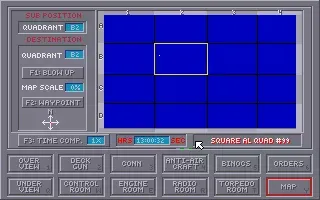
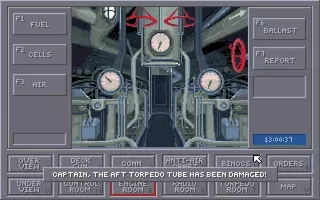
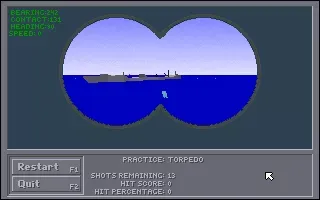
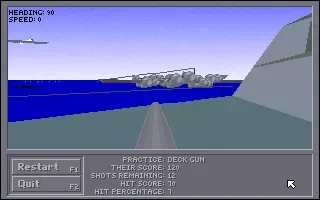
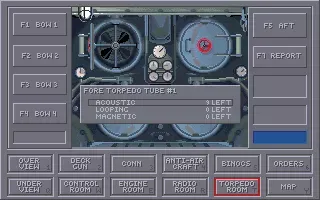
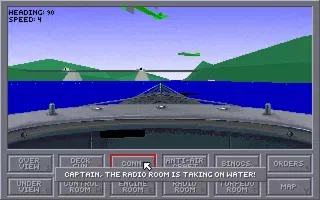
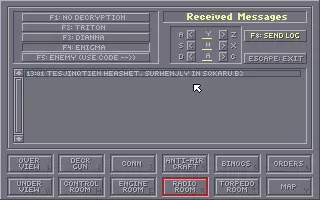
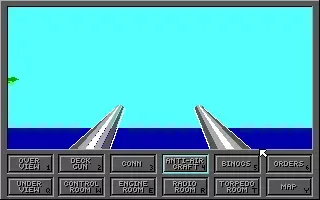
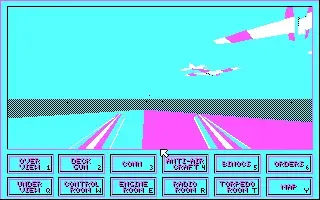
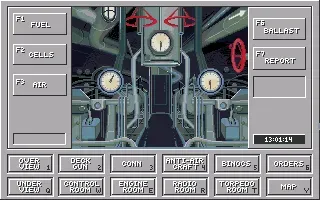
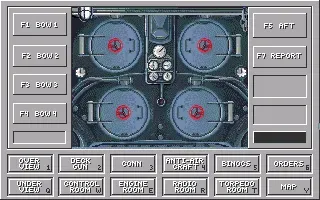
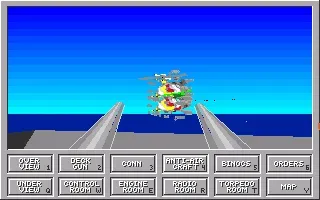
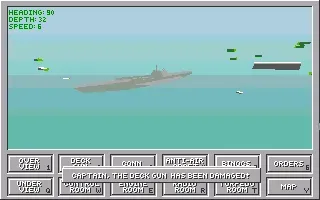
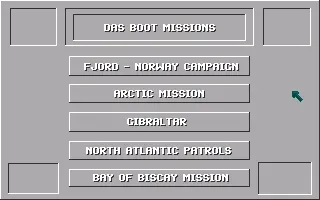
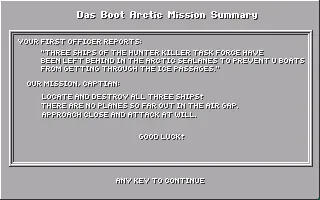
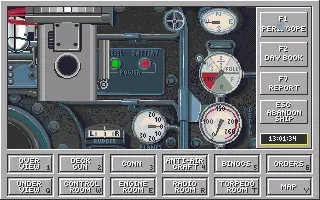
As a simulation, the game emphasizes command routines, targeting discipline, patrol planning, and the procedural rhythm of submarine warfare rather than fast reflex action. Players manage torpedoes, surface weapons, and tactical positioning while balancing stealth, exposure, and mission objectives.
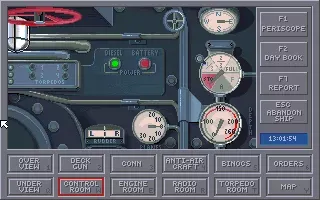
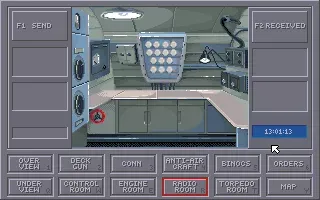
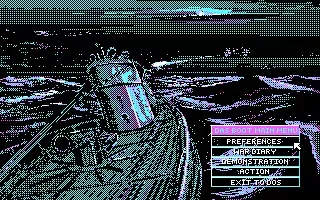
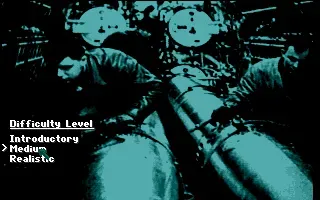
On DOS, the game was built to run across period PC hardware with a strong emphasis on system flexibility and atmospheric presentation. Documentation for the release points to broad support for era-correct graphics and audio options, including low-end display modes and classic sound hardware, which helped it reach a wide slice of early 1990s IBM-compatible systems.
Collector’s Value & Rarity
Market presence is best described as modest rather than ultra-rare: this is a niche historical sim with a dedicated preservation footprint, but not a broadly sought-after blockbuster. Its collector interest comes mainly from fans of World War II simulations, licensed film adaptations, and early DOS military strategy software rather than from mainstream scarcity premiums.
Physical release details matter for identification, especially the original computer media packaging associated with the DOS edition and the multi-publisher history across regions. Surviving copies are most notable when complete with period inserts, diskettes, and box art that reflects the film-linked branding used for the game’s original commercial release.