

Historical Context & Trivia
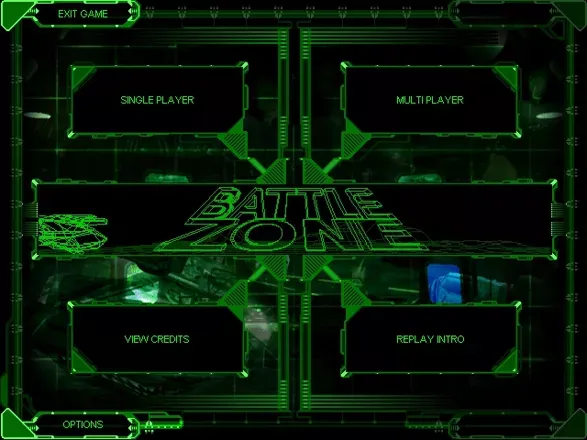
Battlezone (1998) is a notable Windows release that reimagined the older arcade name as a first-person hybrid of action and strategy, and it became known for blending tank combat with real-time command in a way few games had attempted at the time. It is widely remembered as a cult classic because its design merged genres rather than simply alternating between them.
Activision both developed and published the game, with Diamond Multimedia listed in the release data as a publisher partner. The title’s alternate-history sci-fi setting—Cold War forces competing over biometal in space—was a major part of its identity and helped distinguish it from conventional military shooters and RTS games.
Gameplay & Technical Features
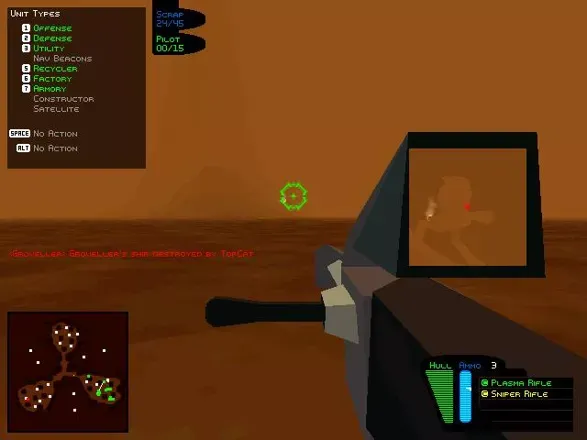
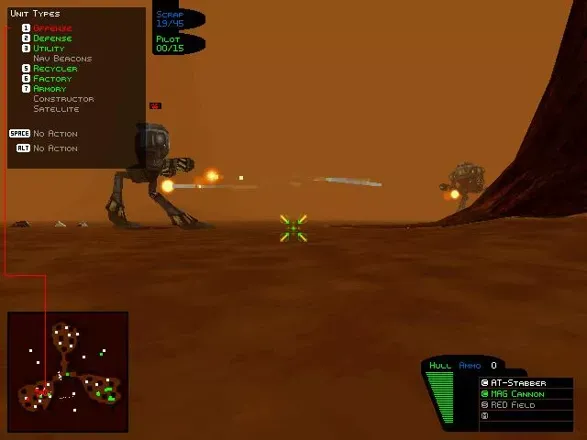
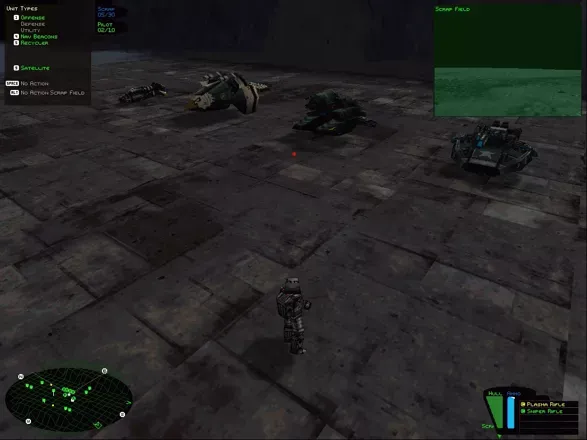
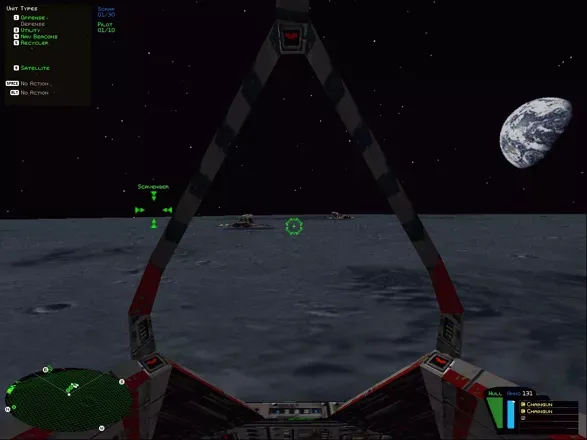
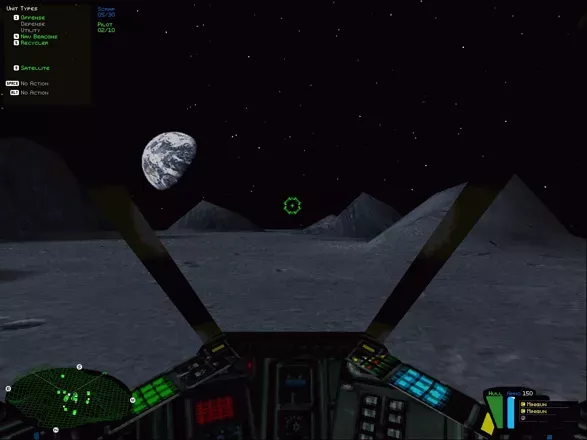
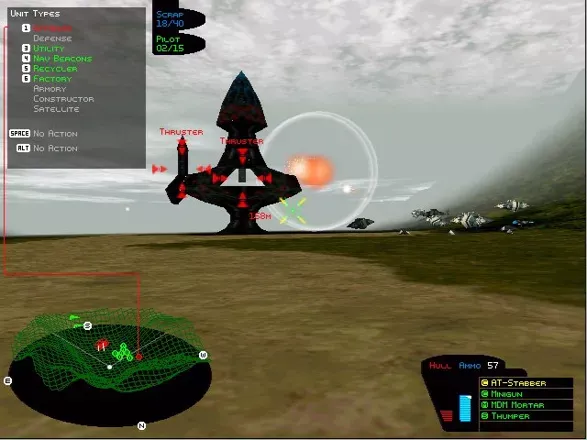
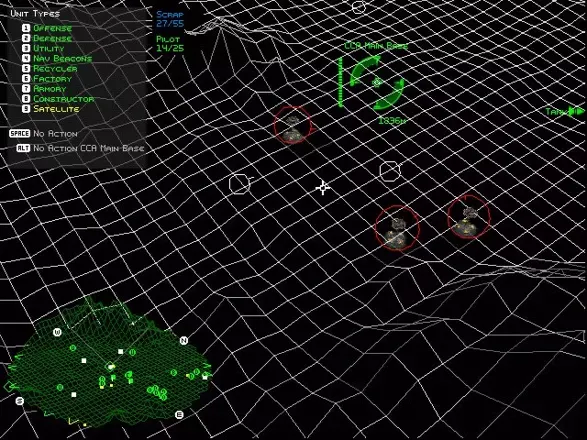
The core of Battlezone is a hybrid action-strategy structure: the player controls a combat vehicle directly while also gathering resources, producing units, and issuing battlefield support in real time. Its appeal came from making the player both a frontline pilot and a field commander, which gave missions a distinct tactical rhythm.
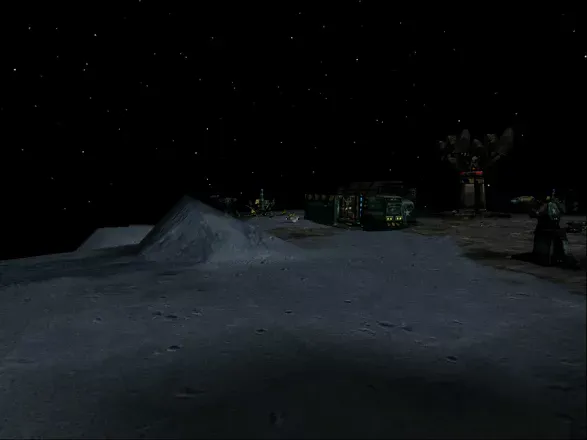
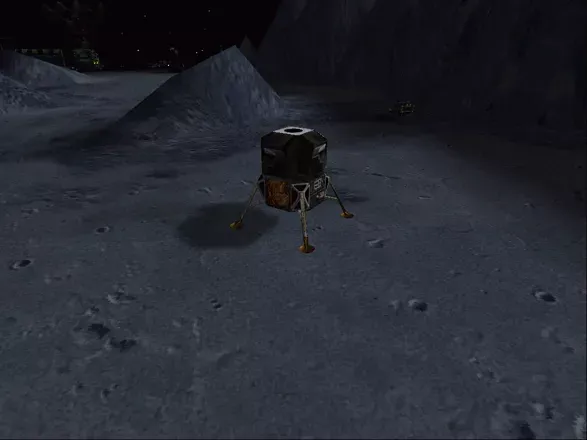
On Windows, the game used a fully 3D presentation that supported the first-person viewpoint central to its design, including the ability to navigate terrain, oversee construction, and fight from inside a vehicle. Its sci-fi visuals, military interface, and mechanical unit design reinforced the futuristic war atmosphere, while the platform allowed it to deliver the kind of mouse-and-keyboard control scheme suited to both shooting and strategy inputs.
Collector’s Value & Rarity
As a late-1990s PC title with a strong cult following, Battlezone is typically valued more for its historical reputation and gameplay uniqueness than for extreme scarcity. Preservation interest is steady because it is a recognized genre hybrid and part of the broader lineage of experimental PC strategy-action games.
Collector interest is generally tied to original PC packaging, printed manuals, and any retail inserts that accompanied the release, especially since late-1990s Windows software often varied by distributor and region. Physical copies with complete collateral are usually more desirable than loose discs, while edition differences matter most when they preserve original box art, documentation, or bundled promotional material.