






Overview
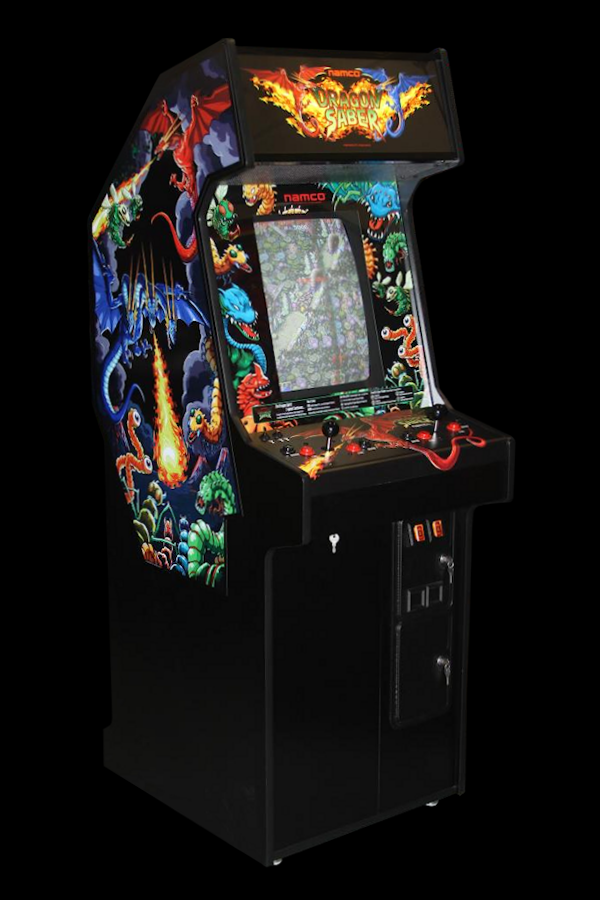
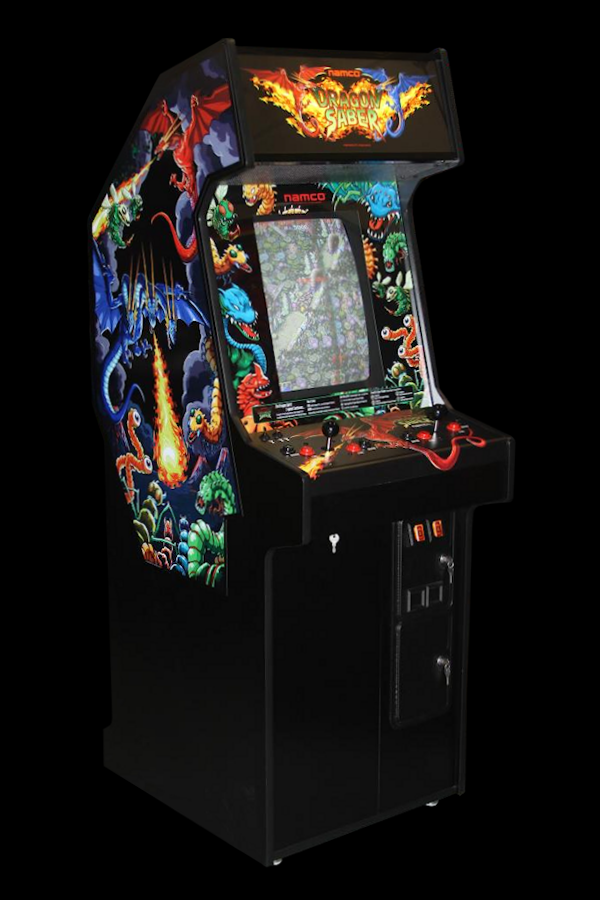
Released in 1990, Dragon Saber is an arcade shooter developed by Namco. It is the sequel to the classic game Dragon Spirit and follows a similar gameplay style, providing players with exhilarating vertical scrolling shooting action. The game is set in a fantasy world filled with dragons, mythical creatures, and relentless enemies aiming to thwart your quest.
Gameplay
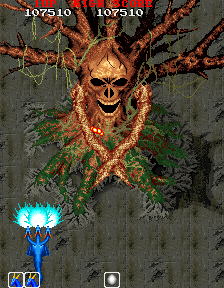
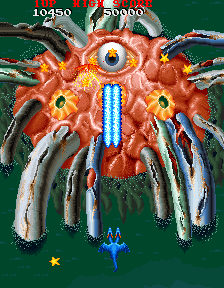
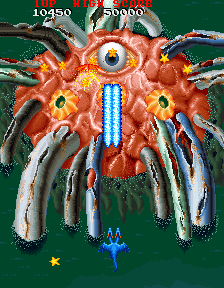
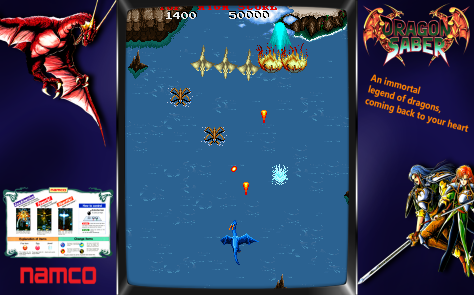
Players control a dragon as they soar through various levels, engaging in intense aerial combat. The game features a series of challenging stages with increasingly difficult enemies and bosses. As a major highlight, Dragon Saber introduced a two-player cooperative mode, allowing friends to team up and navigate the hostile skies together.
Features
- Expansive Levels: The game hosts a variety of stages, each with unique environments and enemy patterns.
- Power-ups: Players can collect power-ups to upgrade their dragon’s abilities, including enhanced firepower and shields.
- Co-op Mode: The introduction of a two-player mode marked a significant enhancement over its predecessor, enabling cooperative play.
- Diverse Enemies: The game features a rich assortment of enemies and formidable boss encounters that test a player’s skill and reflexes.
Technical Details
Utilizing Namco’s powerful arcade technology of the time, the game showcased impressive graphics and sound design. It maintained the vibrant aesthetic of its predecessor, Dragon Spirit, with detailed sprites and dynamic animations providing an engaging visual experience.
Historical Context
Dragon Saber emerged during a period of rapid advancement in arcade gaming. Namco was at the forefront of this revolution, and the release of the game demonstrated its commitment to crafting engaging and challenging shooter experiences. Its successful implementation of cooperative play set a standard for future titles in the genre.
Legacy
Although not as widely known as some of its contemporaries, Dragon Saber is regarded as an essential entry in Namco’s catalog of classic shooters. Its cooperative gameplay and refined mechanics have kept it in the memories of arcade enthusiasts and retro gamers alike, serving as a testament to Namco’s innovative game design during the early 1990s.