



Historical Context & Trivia
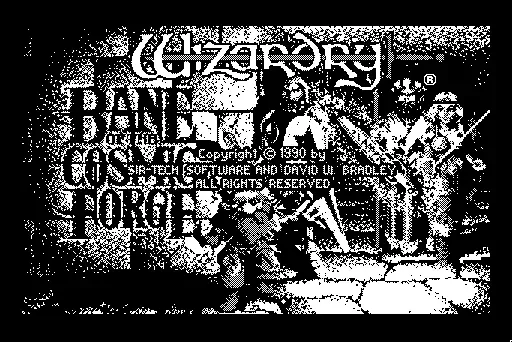
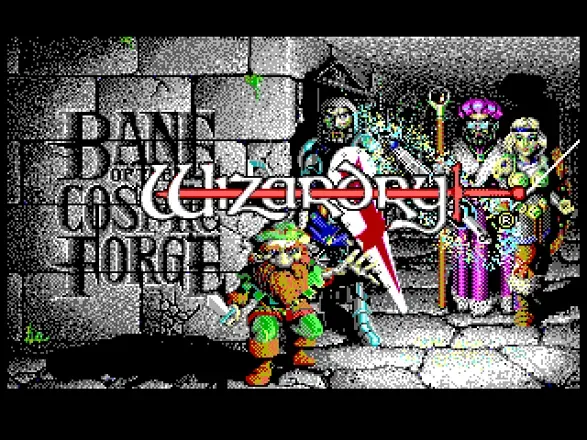
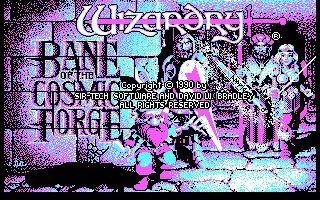
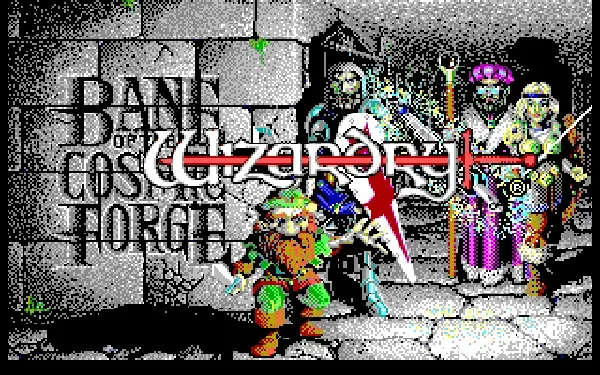
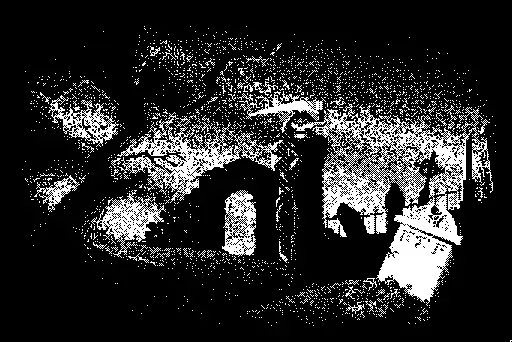
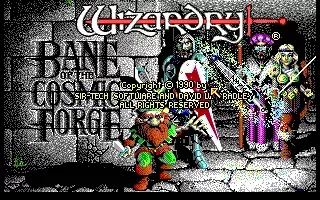
Wizardry: Bane of the Cosmic Forge was released in 1990 as the sixth mainline entry in the long-running Wizardry series, arriving on DOS alongside its Amiga version and helping define the franchise’s later, story-driven era. It is widely recognized as the opening chapter of the Dark Savant storyline, a major narrative shift that gave the series a more explicit mythic continuity and made this entry a key bridge between early dungeon-crawl design and the more ambitious, lore-heavy structure that followed.
Developed by Sir-Tech Software, Inc., the game reflects the studio’s role as both developer and publisher in its original Western release, while later regional handling brought in companies such as ASCII Corporation for Japanese distribution and subsequent reissues. It is also commonly associated with designer and programmer David W. Bradley, whose work helped shape the game’s larger party-based structure, intricate exploration, and ominous fantasy tone.
Gameplay & Technical Features
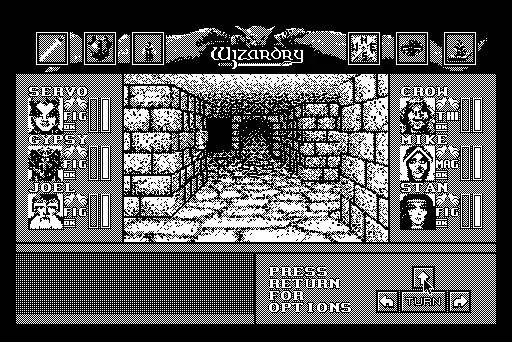
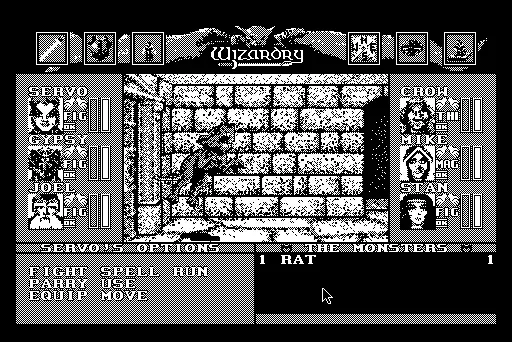
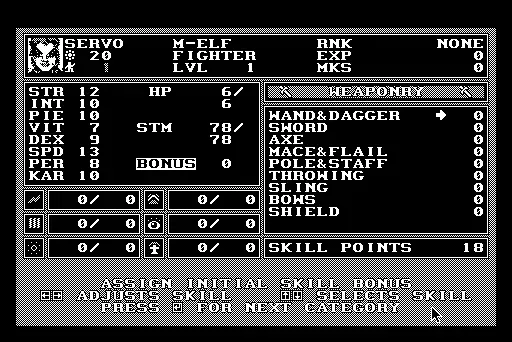
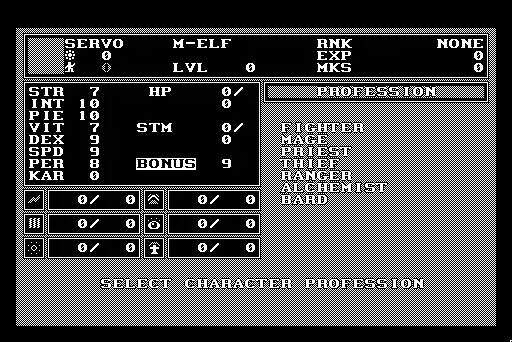
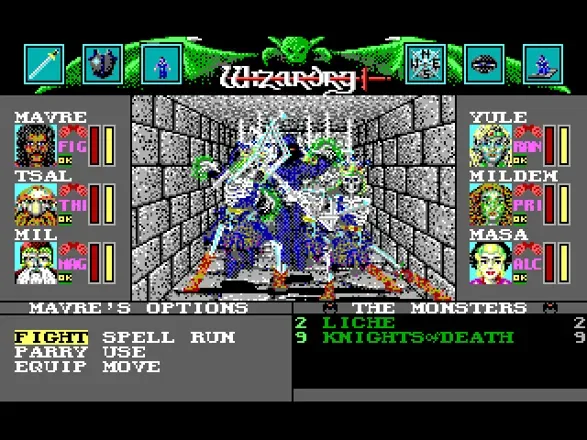
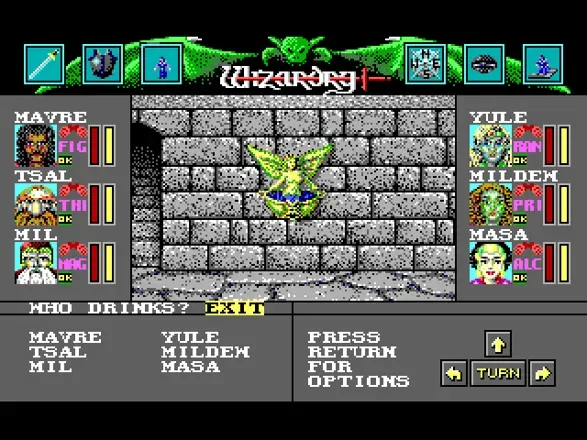
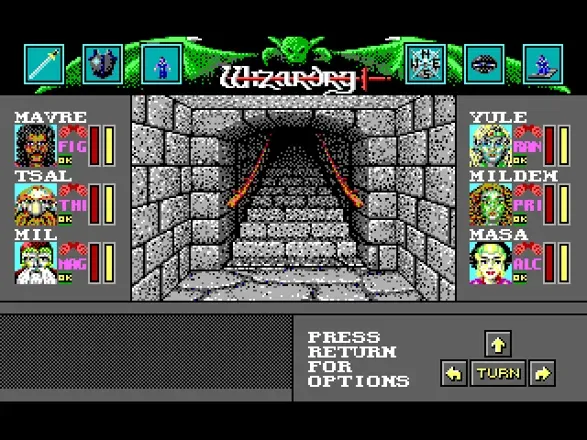
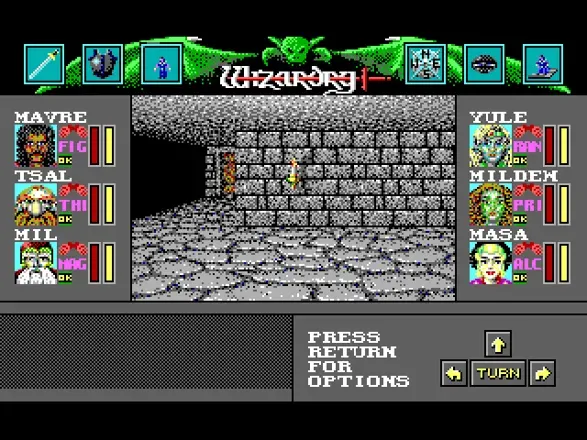
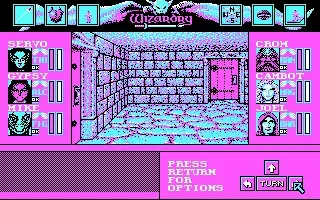
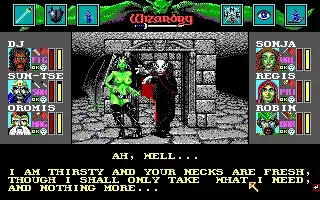
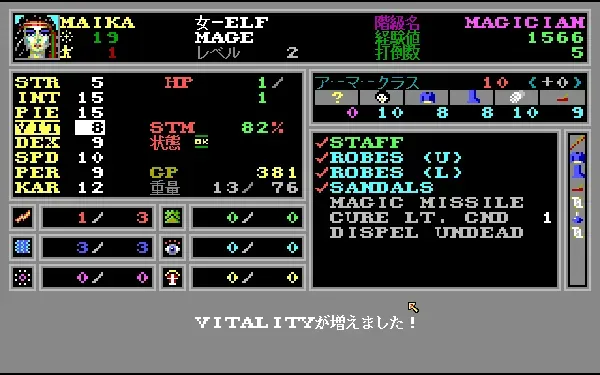
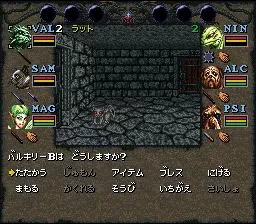
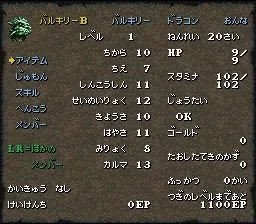
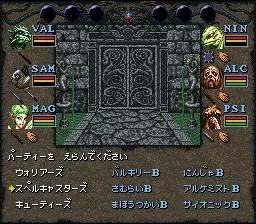
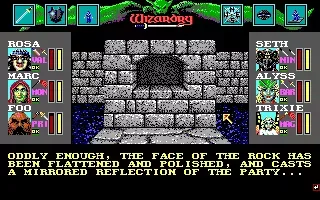
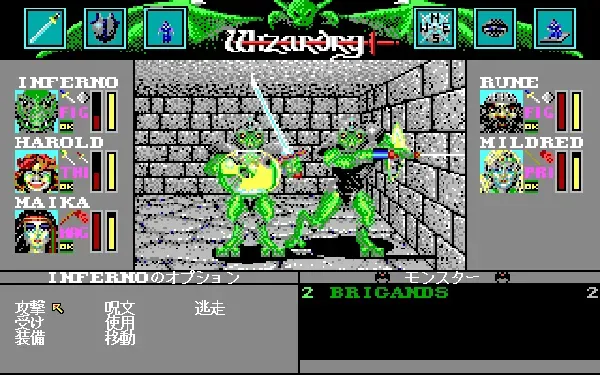
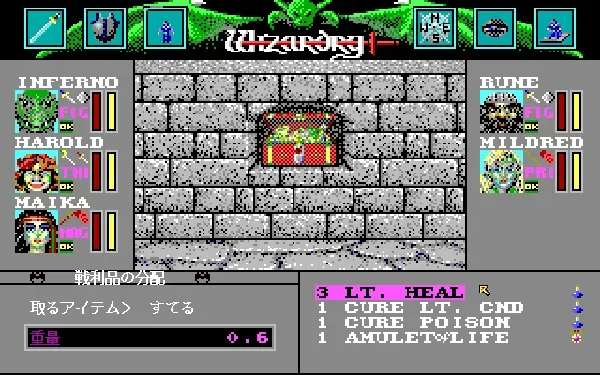
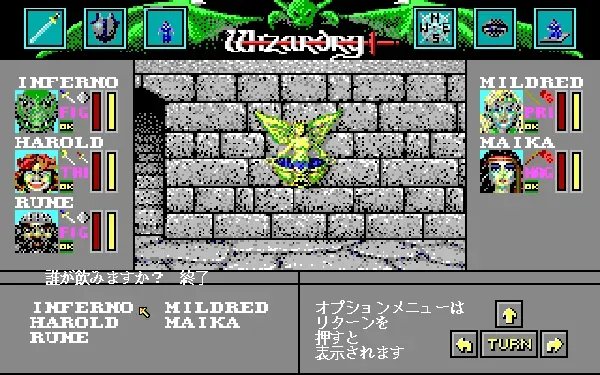
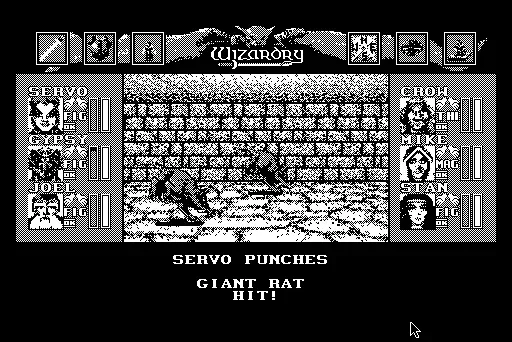
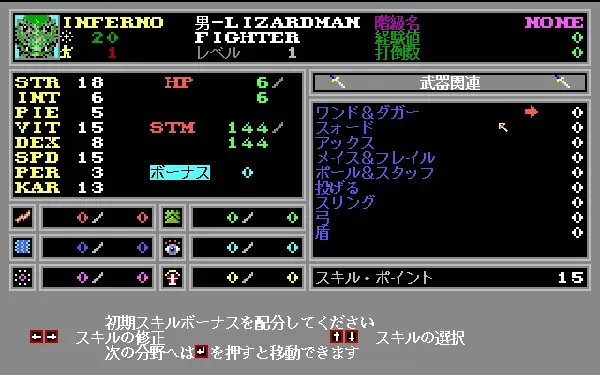
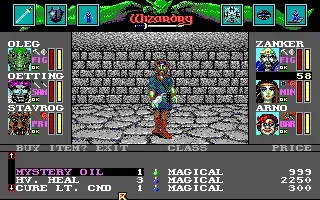
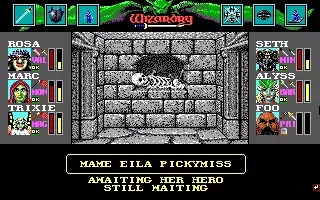
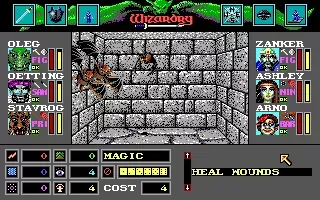
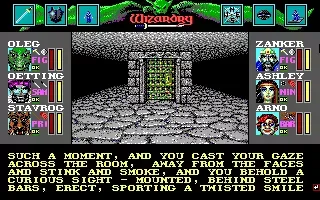
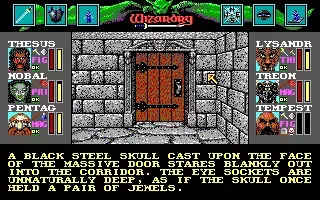
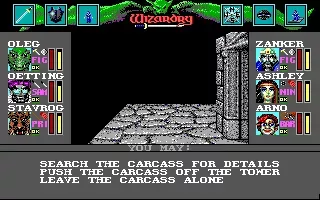
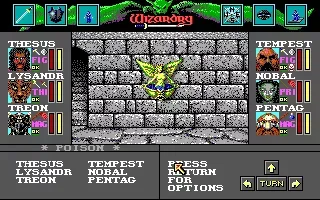
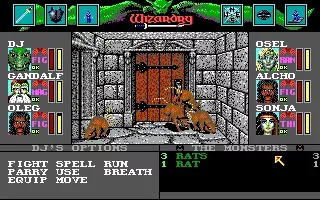
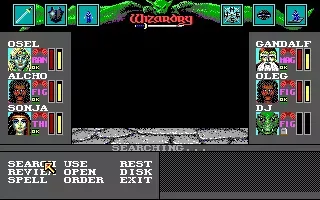
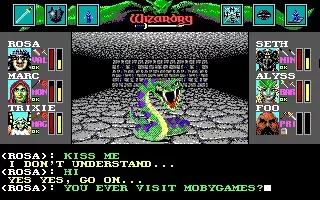
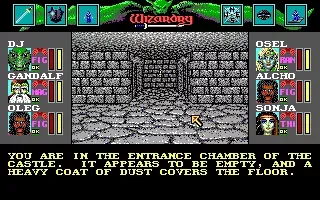
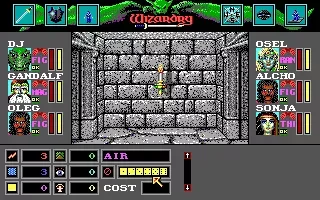
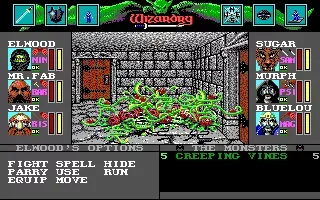
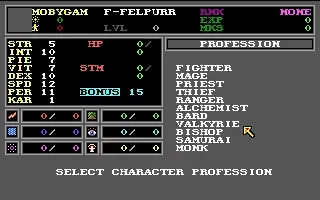
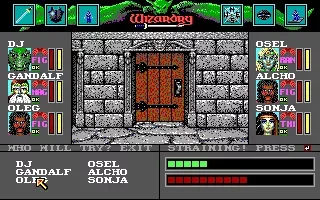
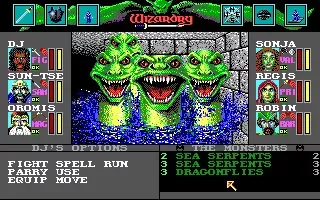
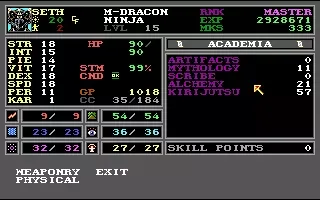
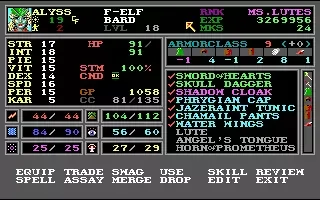
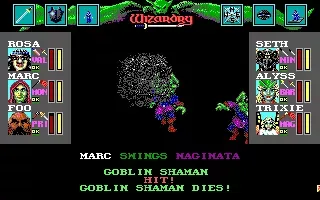
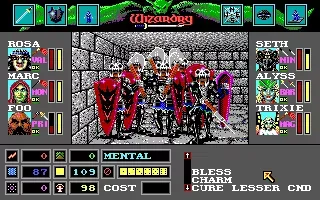
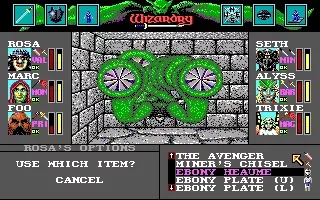
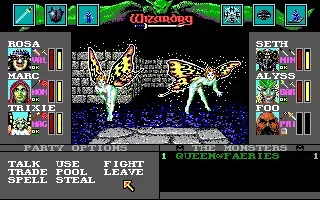
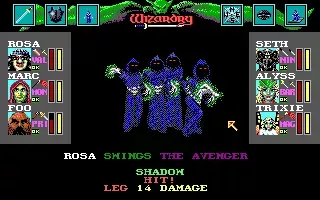
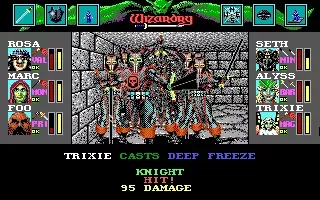
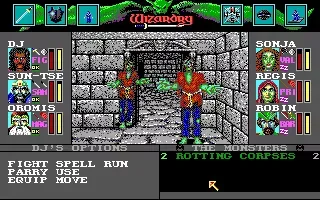
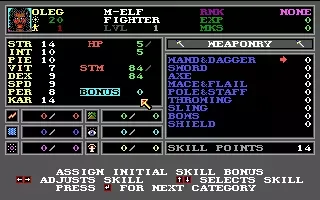
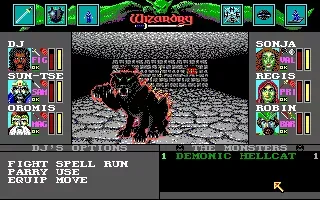
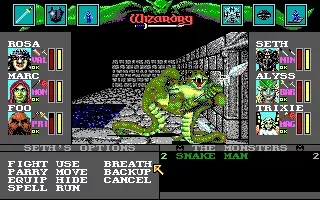
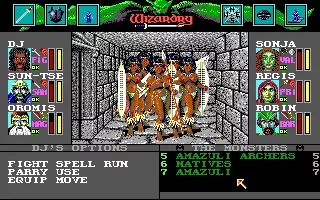
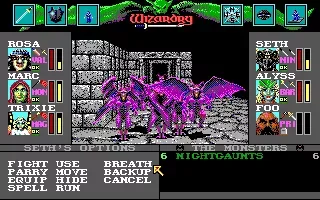
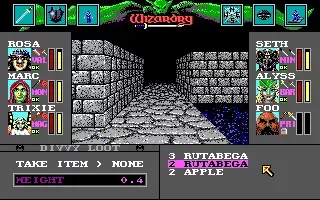
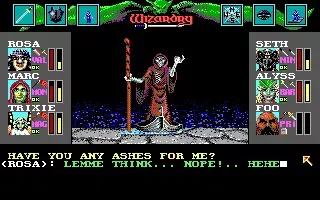
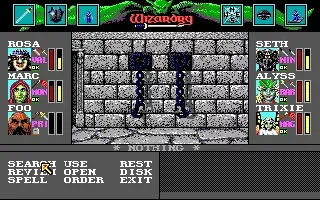
This Role-Playing game is built around first-person, party-based dungeon exploration, turn-driven combat, character progression, and careful resource management, all of which are hallmarks of classic Wizardry design. Its structure emphasizes mapping, party composition, and tactical decision-making over fast action, with encounters and environmental hazards forming the core rhythm of play.
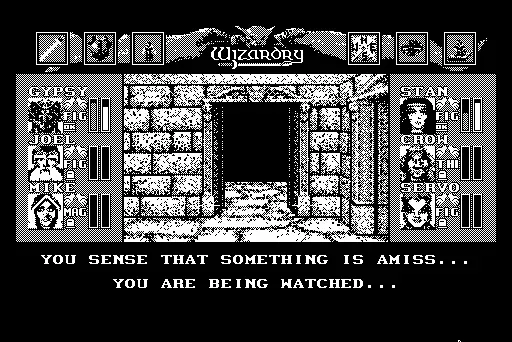
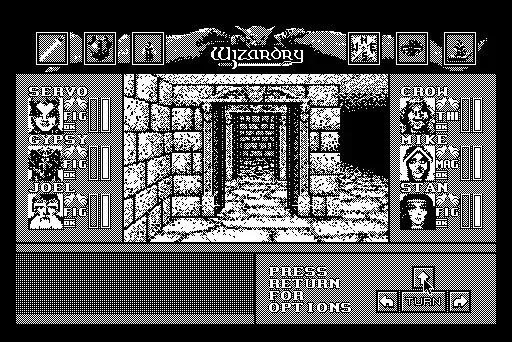
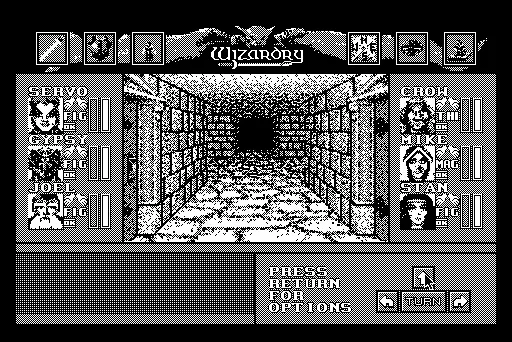
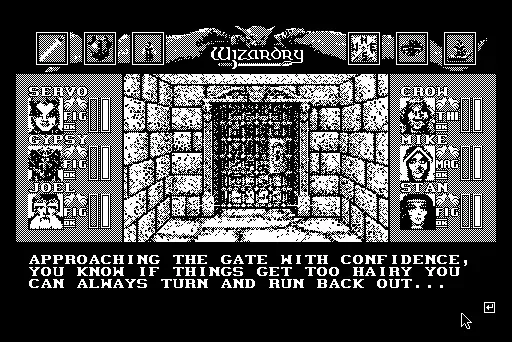
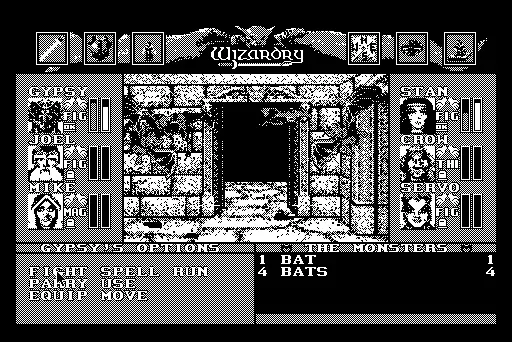
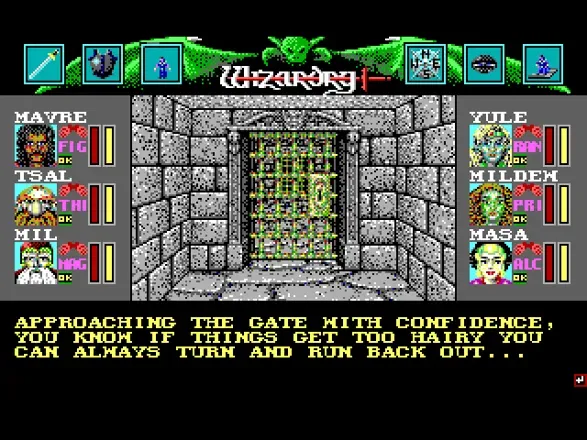
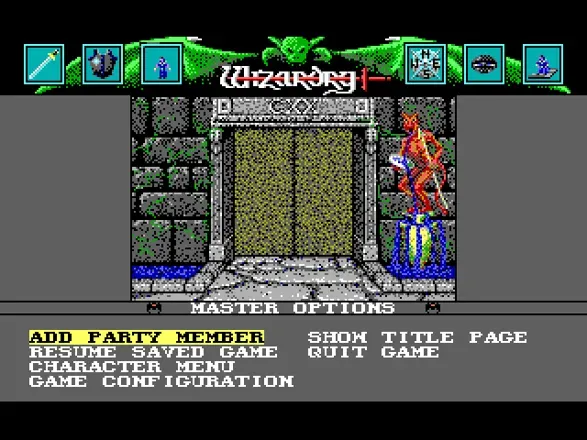
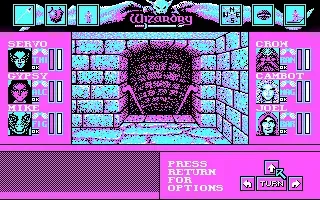
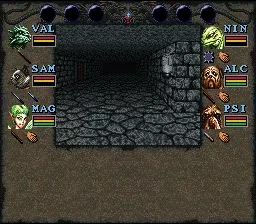
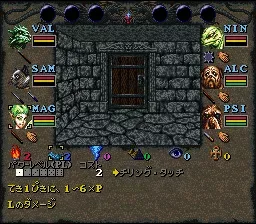
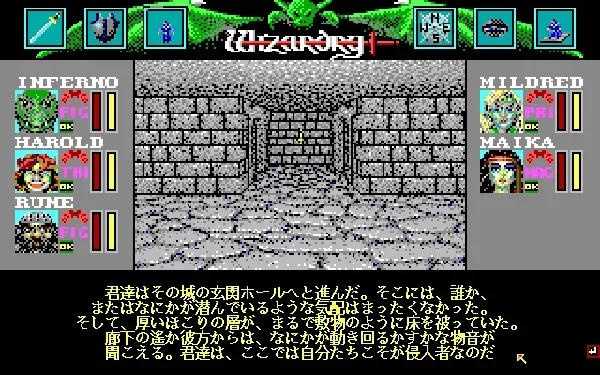
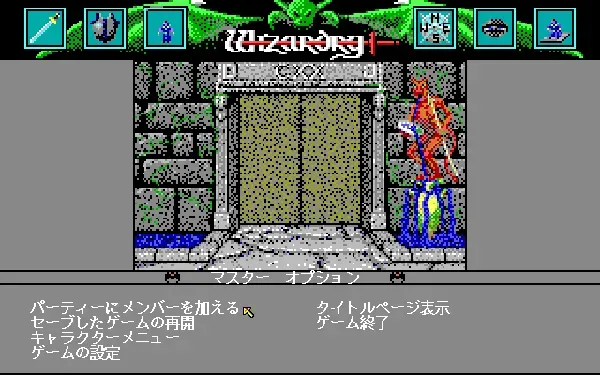
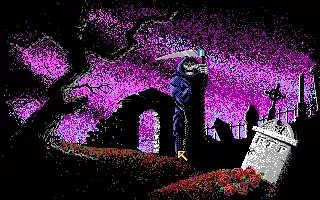
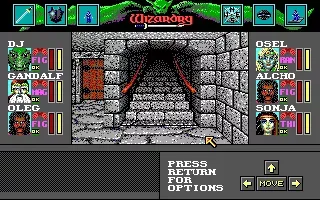
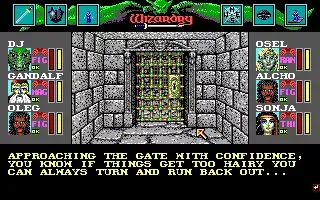
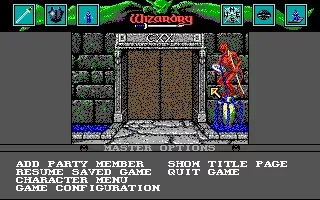
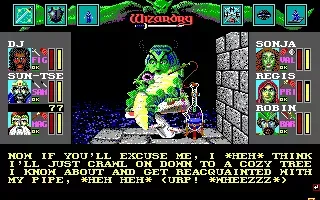
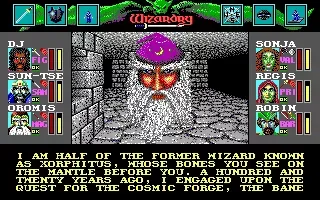
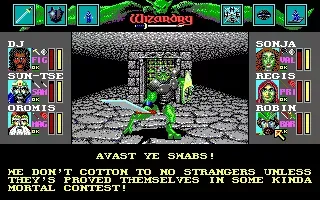
On DOS, the game was shaped by the practical limits of early 1990s PC hardware, with support across common display standards of the era and a presentation designed for keyboard-centric play. Its audiovisual framework is restrained but effective, using the platform’s memory and graphics constraints to deliver a text-leaning interface, atmospheric dungeon imagery, and functional audio that supported the moody fantasy setting rather than competing with it.
Collector’s Value & Rarity
As a legacy PC RPG from a major franchise, Wizardry: Bane of the Cosmic Forge is generally preserved better than many obscure DOS releases, but complete original copies still carry collector interest because they represent an important chapter in a foundational series. Market availability is typically stronger than true rareware, yet well-kept boxed examples remain desirable among retro RPG collectors, especially those focused on early Western computer role-playing history.
Original packaging and documentation matter significantly for value, with complete sets typically favored over loose disks because manuals, inserts, and box art help authenticate the release and preserve the game’s period presentation. Regional variants linked to ASCII and later compilation releases can differ in packaging and platform treatment, and those differences are often important to collectors tracking the title’s broader international history.