


Historical Context & Trivia
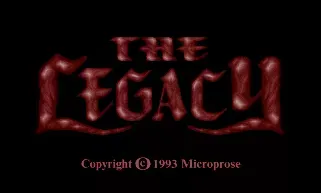
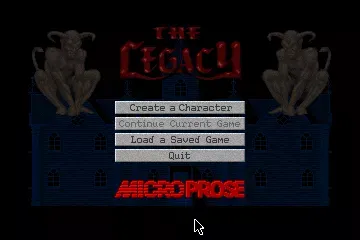
The Legacy: Realm of Terror (1992) is a late-era MS-DOS horror hybrid remembered for blending mansion exploration, role-playing structure, and puzzle-driven progression into a single atmospheric package. It stands out as an unusual British-developed dark fantasy project that arrived at a time when first-person adventure design was expanding beyond pure text and into more cinematic, system-heavy territory.
Magnetic Scrolls and MicroProse are the key names attached to the game’s creation and release, with the title commonly associated with MicroProse publishing and Magnetic Scrolls development. It is also widely treated as the studio’s final game, which gives it a notable place in the history of British adventure design and in MicroProse’s broader catalog of experimental genre titles.
Gameplay & Technical Features
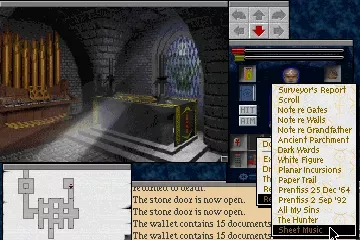
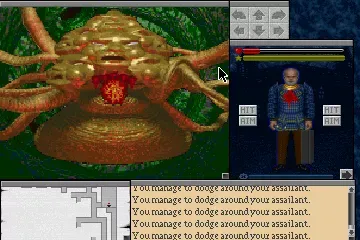
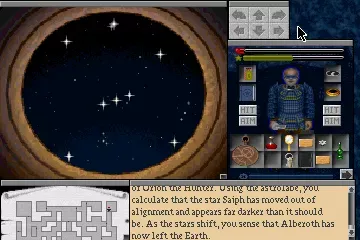
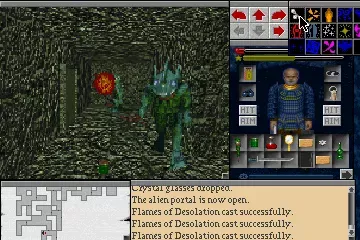
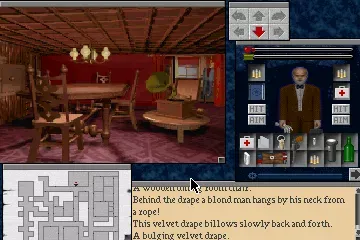
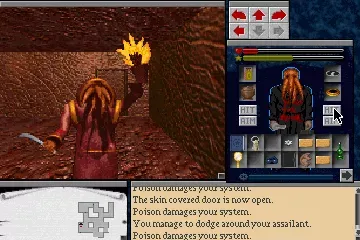
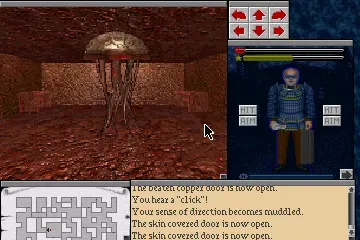
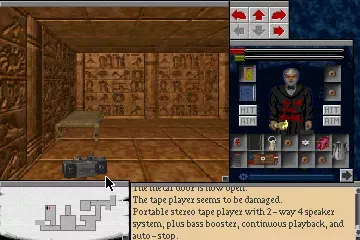
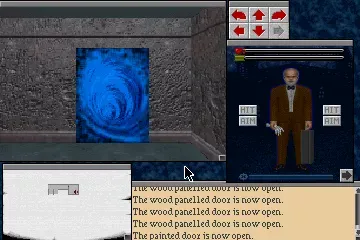
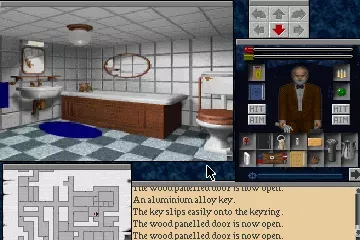
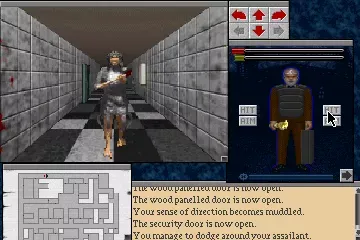
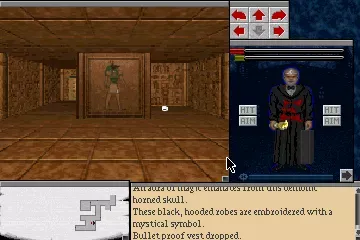
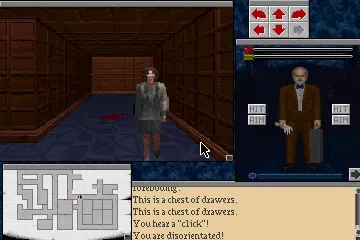
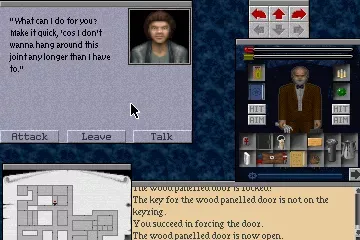
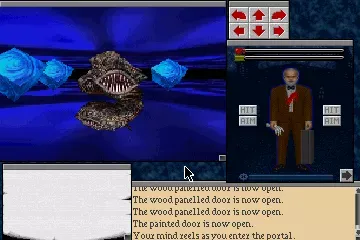
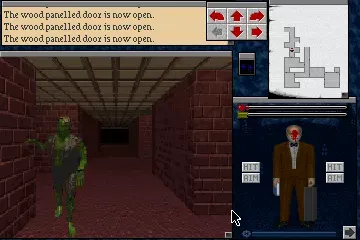
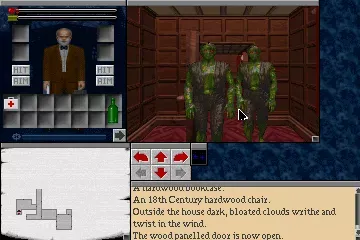
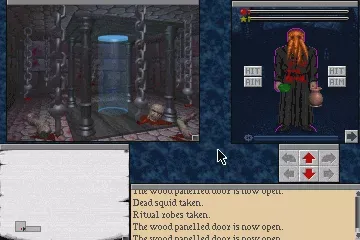
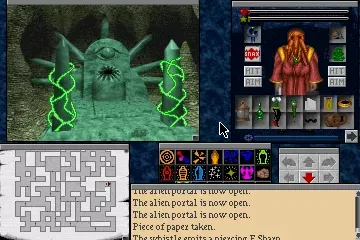
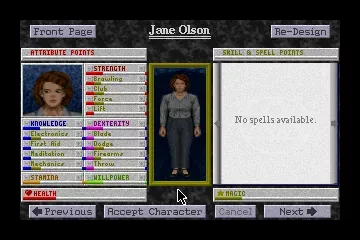
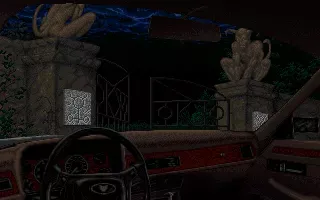
This RPG-leaning horror adventure uses first-person mansion exploration, item collection, puzzle solving, character development, and real-time combat to build tension rather than relying on a single mechanical style. The structure supports a survival-minded approach, where movement through the house, resource management, and encounter handling are all part of the same loop.
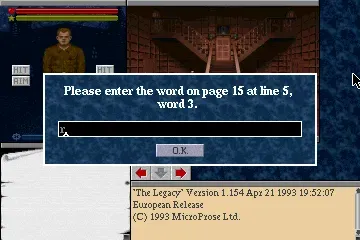
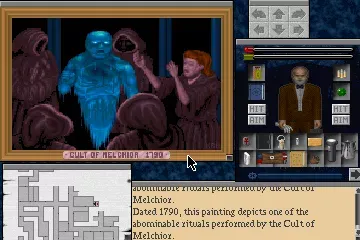
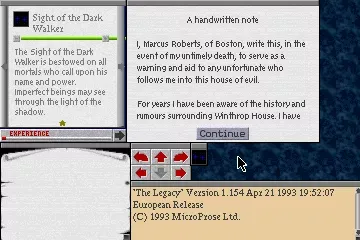
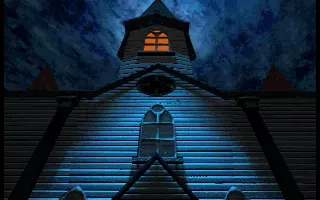
On DOS, the game was built around VGA-era presentation and PC audio options typical of early 1990s releases, with atmosphere carried by moody visuals, interface-driven interaction, and sound support designed for contemporary IBM-compatible machines. Its technical identity is rooted in the transition period between classic adventure games and more action-oriented horror design, which helps explain its distinctive place in retro PC history.
Collector’s Value & Rarity
Market preservation is moderate rather than ultra-rare: the game is documented enough to survive in retro archives and re-release ecosystems, but it is still far less common than major mainstream DOS classics. Its collector appeal comes from its status as a cult hybrid, its historical association with Magnetic Scrolls’ final work, and its appeal to fans of obscure horror RPGs.
Physical copies are most interesting for regional and release-variant tracking, since the title circulated under slightly different naming conventions and release timing across territories. Collectors often look for original floppy or boxed DOS editions, manual material, and any language-specific packaging, as these elements help establish provenance for a game that exists in several archival and retail forms.